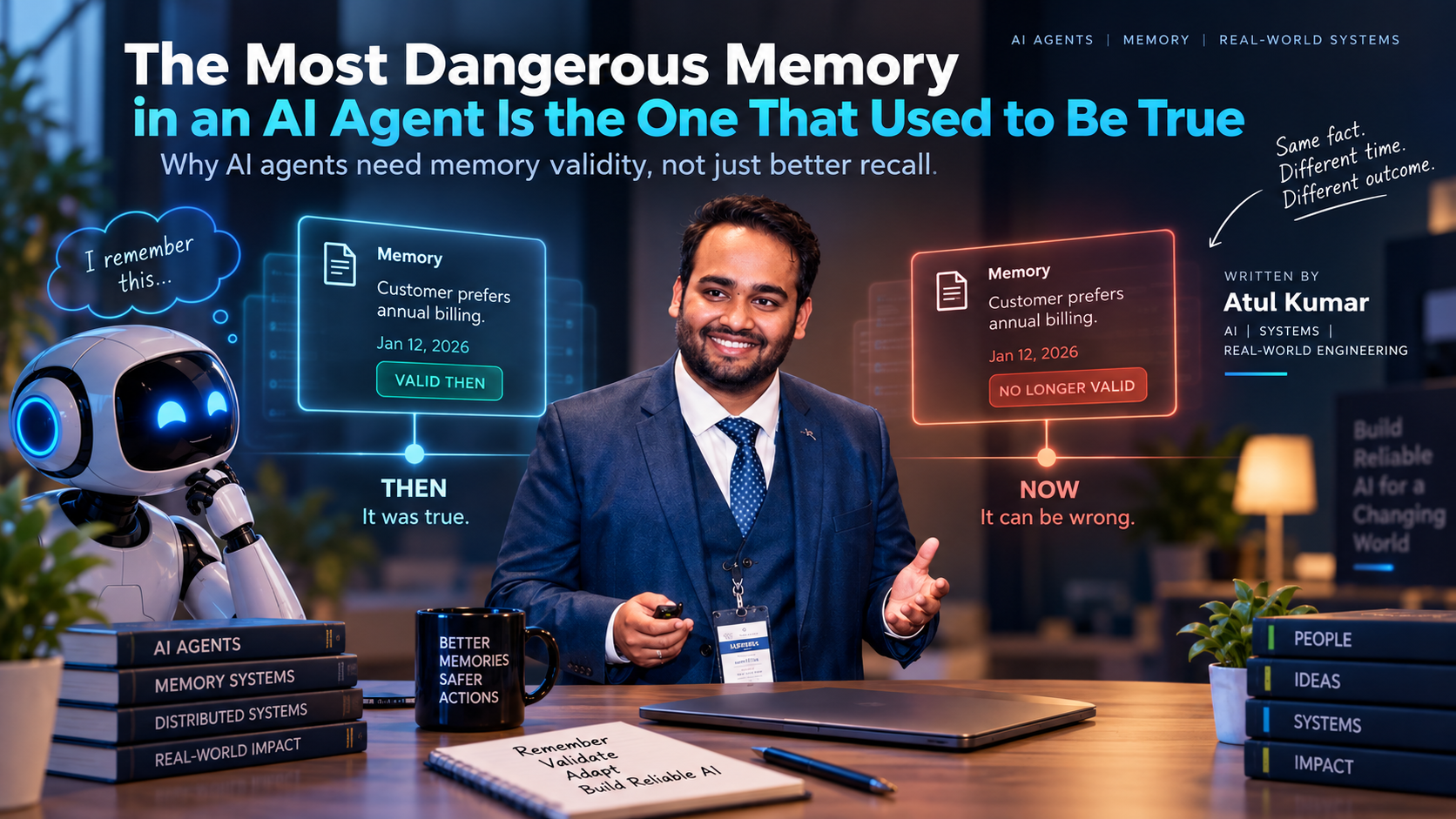
AI Can Remember Your Chats. Remembering Your Life Is Much Harder.

AI can answer increasingly complex questions about the world, yet it still knows remarkably little about the life of the person asking them. It doesn’t inherently know what happened in your day, which moments mattered, or how an experience from last week connects to something happening now. Intelligence without the surrounding world falls short of … Read more

Building Production-Ready Multi-Agent AI Systems on Amazon EKS: The Complete Step-by-Step Guide

Single AI agents are powerful. Multi-agent systems are transformative. This guide builds a complete, production-ready multi-agent AI system on Amazon EKS, the exact architecture used by financial services, healthcare, and enterprise SaaS teams in 2026. Five specialised agents (Customer, Payment, Fraud, Compliance, Customer Support), a Custom Agent Router, Bedrock Guardrails, RAG with OpenSearch, response verification, … Read more

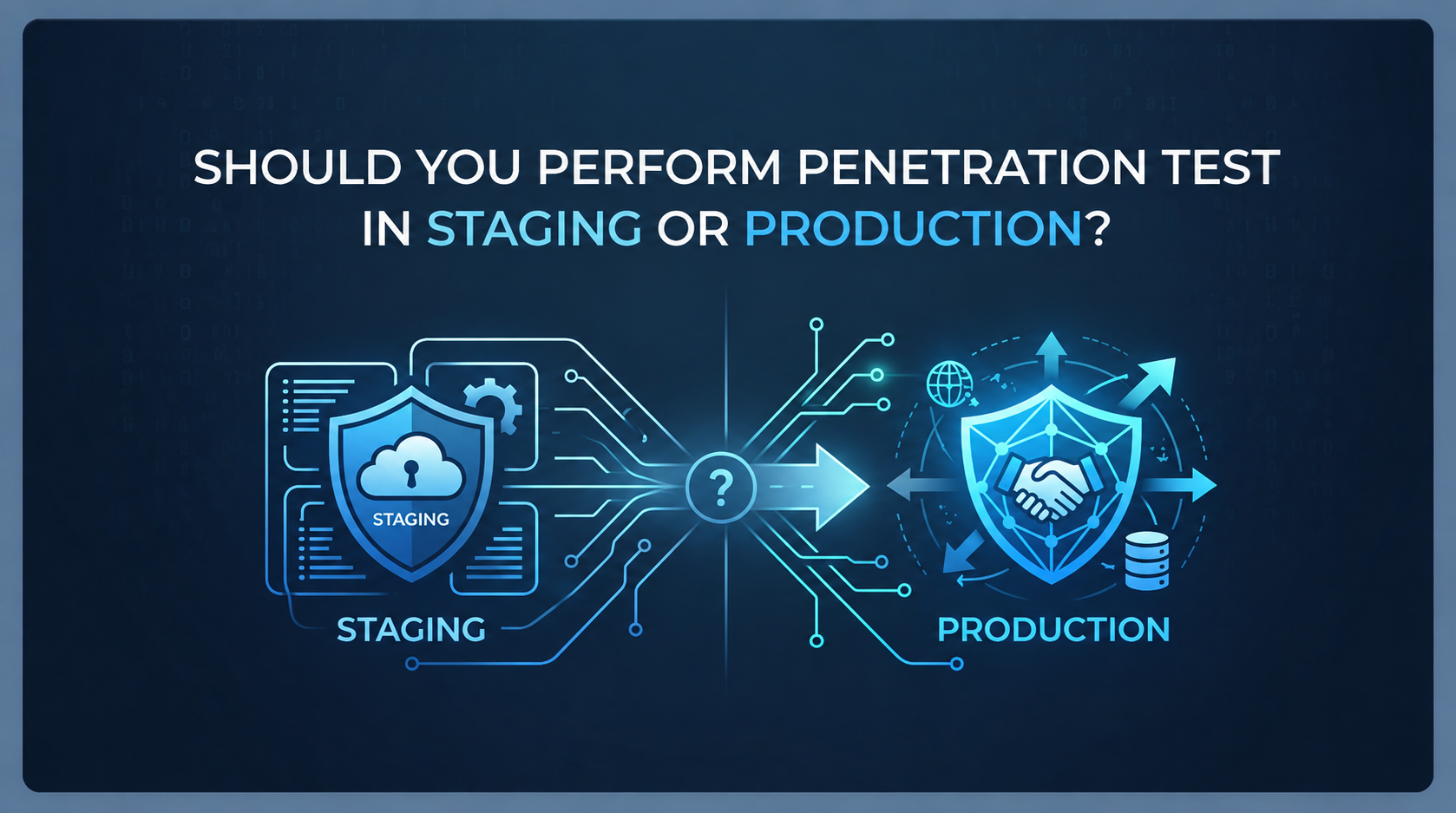
Should You Perform a Penetration Test in Staging or Production?

A pentest can uncover serious vulnerabilities, but where you test matters just as much as how you test. Staging gives you control. Production shows you what attackers can actually reach. That difference creates a common security dilemma. Testing only in staging may leave live configurations, integrations, and deployment gaps untested. Testing production without proper safeguards … Read more

Google Just Bet 396 MW on Geothermal to Power Its AI

The​‍​‌‍​‍‌ AI Boom Has an Electricity Problem. Could the Answer Be Underground? Every time someone consults the internet or saves information in the cloud, the electricity is supplying power to the whole process. The power consumption of one single query of an AI is quite low, but if those activities are repeated by countless users … Read more

Why a Slow HTTP Call Could Delay Other Kong Requests

We use Kong as an API gateway in our cloud deployments. Our plugins authenticate and authorize requests before Kong proxies them to upstream services. Some plugins also make outbound calls to internal services before forwarding the original request. During one investigation, several API requests took more than a minute to complete. We checked whether an … Read more

95% of Companies Think They Watch Their AI Agents. In Reality, Only 36% Do

The 2026 SpyCloud Identity Threat Report surveyed 750 security leaders at organizations of 500-plus employees. Two findings, read together, describe the entire problem. First: 95% of organizations believe they have adequate visibility into their AI and machine-identity exposure. Only 36% actually monitor those identities. It’s the least-monitored risk category in the entire study. Ninety-one percent … Read more

A Principal Designer with 250+ Projects Explains Why the Agency Subscription Model Is Shrinking Back

For much of the past decade, startup design support seemed to move in one direction. A freelance designer became a small team, and the small team grew into a full bench of specialists working through an agency or monthly subscription model. And here are the observations of one designer who has lived that entire arc … Read more

How Meshtastic Metrics Exporter Turned Eight Prometheus Queries Into One with Tiger Data

An open source monitoring tool for the Meshtastic mesh radio community moved off Prometheus, where 10,000 nodes meant half a million metric series, and put node data and telemetry history on a single Postgres database with TimescaleDB. This is an installment of our “Community Member Spotlight” series, in which we invite our customers to share … Read more

Tango Communities Go Live for Breast Cancer Research

Mountain View, California, October 6th, 2026/TechnologyWire/–This Breast Cancer Awareness Month, live-streaming platform Tango is bringing together some of its leading creator communities to raise funds for breast cancer research and, just as importantly, encourage more open conversation around a disease that affects millions of women and families worldwide. From October 13-18, several of Tango’s highest-performing … Read more

“Superintelligence”: Explaining the Mirage

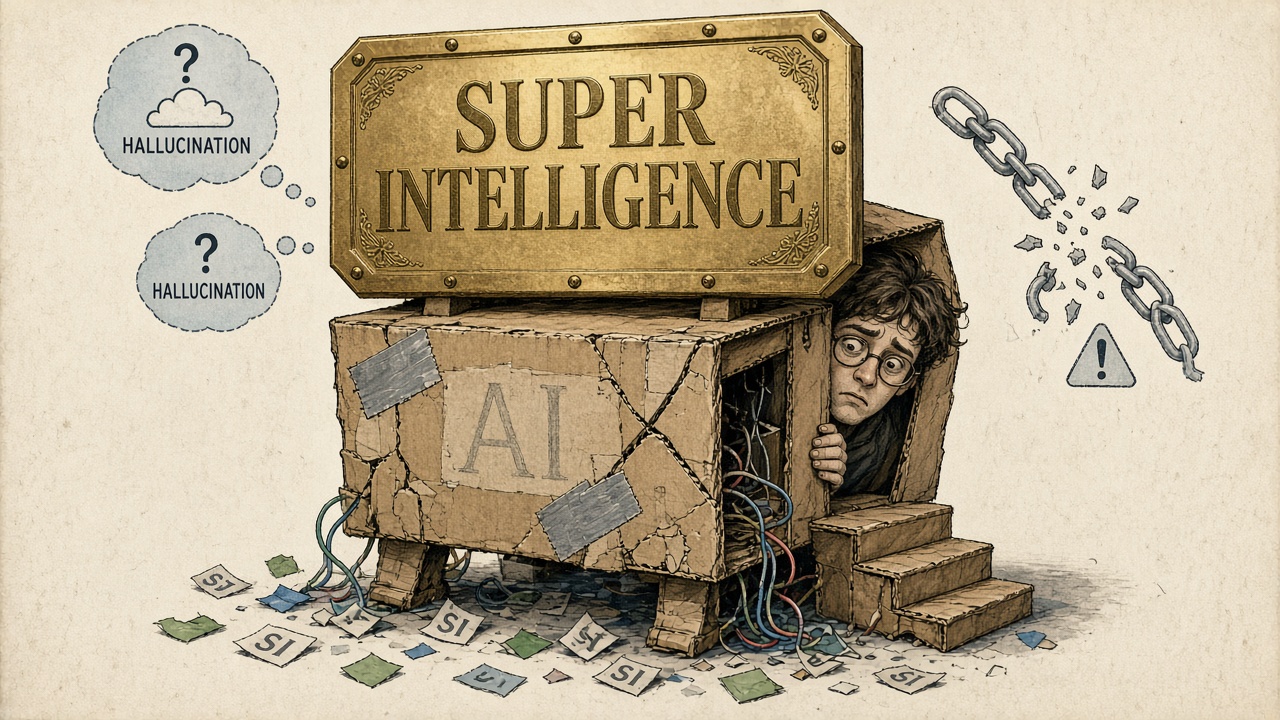
On September 29, 2026, President Trump signed an executive order directing the executive branch to use “Super Intelligence” and “SI” in place of “artificial intelligence” and “AI” in official correspondence and non-statutory documents. He had previewed the rebrand at the United Nations the week before. The rhetoric is triumphant. The technology is not. And the order … Read more

Encoding Solidity Security Patterns as Skills for Coding Agents

Awesome Solidity Smart Contract Skills for Agents: battle-tested, industrialized contract patterns for coding agents. AI coding agents are getting very good at writing smart contracts. Give an agent a Solidity file and a reasonably specific prompt, and it will produce a working implementation surprisingly quickly. That’s useful. But smart contracts have a property that makes … Read more

I Built an OpenTelemetry Logs Bridge. Encoding Was the Easy Part

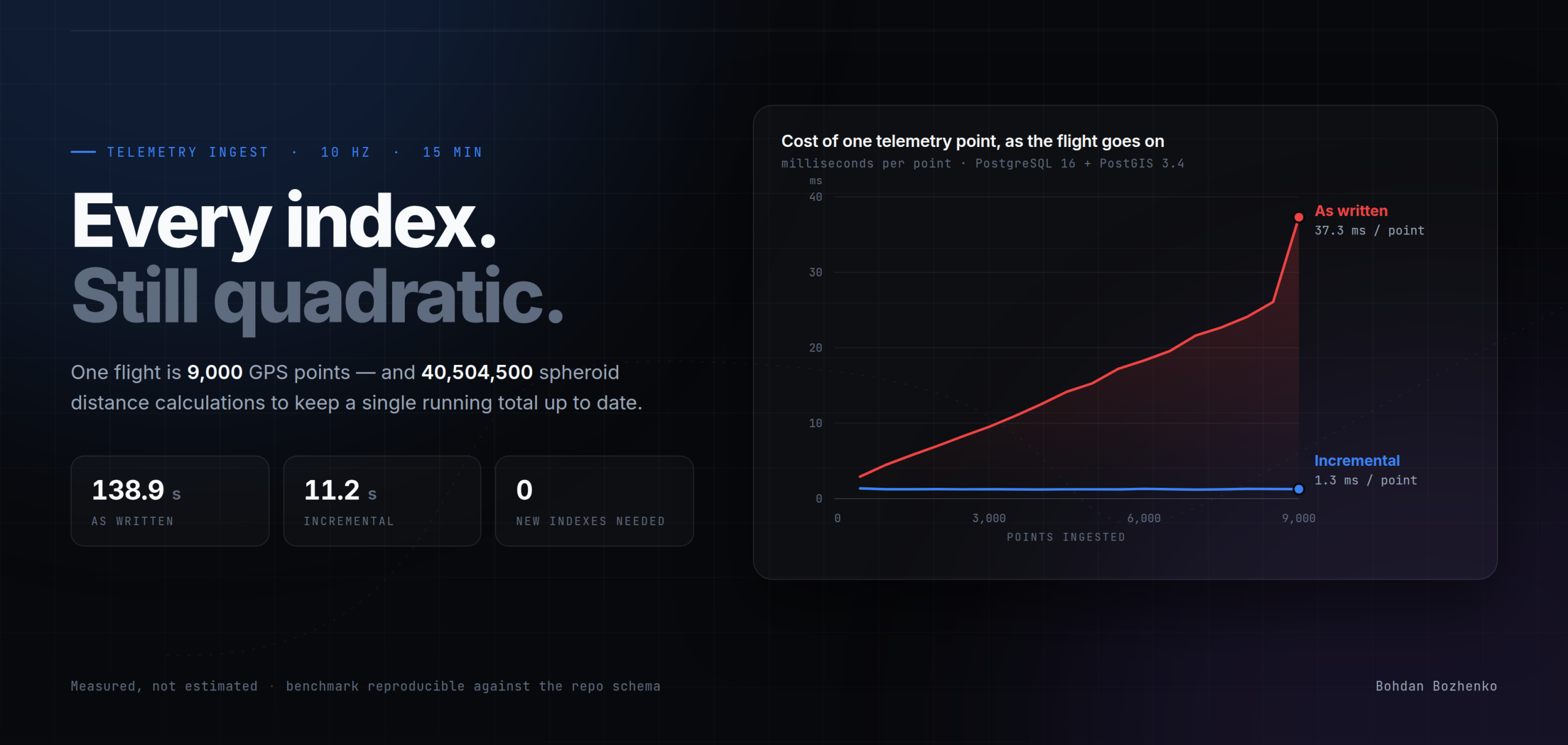
Part 2 of Engineering HaloLog: making high-performance telemetry claims reproducible and falsifiable. Part 1 examined what a 23.9 ns logging benchmark does and does not prove. The implementation and measurements discussed here are pinned to otelbridge/v1.0.3. An OpenTelemetry Logs bridge looks like a mapping problem. Message becomes Body. Level maps to Severity. Ordinary fields become … Read more

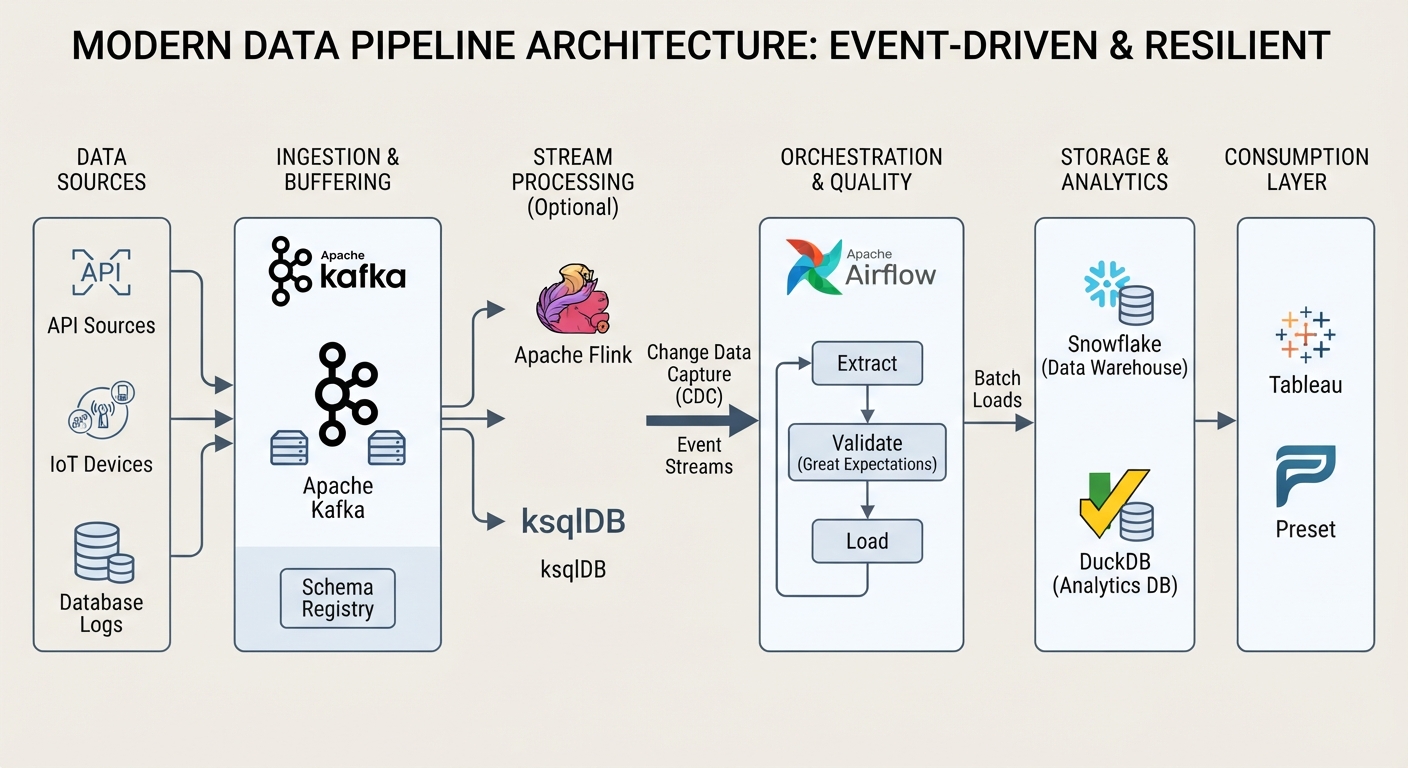
Building a Modern Real-Time Data Pipeline from Scratch (With Architecture Diagrams)

Stop writing monolithic batch scripts that break silently at 3 AM. Here is how to design, architect, and code a resilient, observable streaming data pipeline using Python, Apache Kafka, and Apache Airflow. 1. Introduction: The 3 AM Pipeline Nightmare We’ve all been there. Your phone buzzes at 3:14 AM. A Slack alert flashes red: Pipeline Failed: … Read more

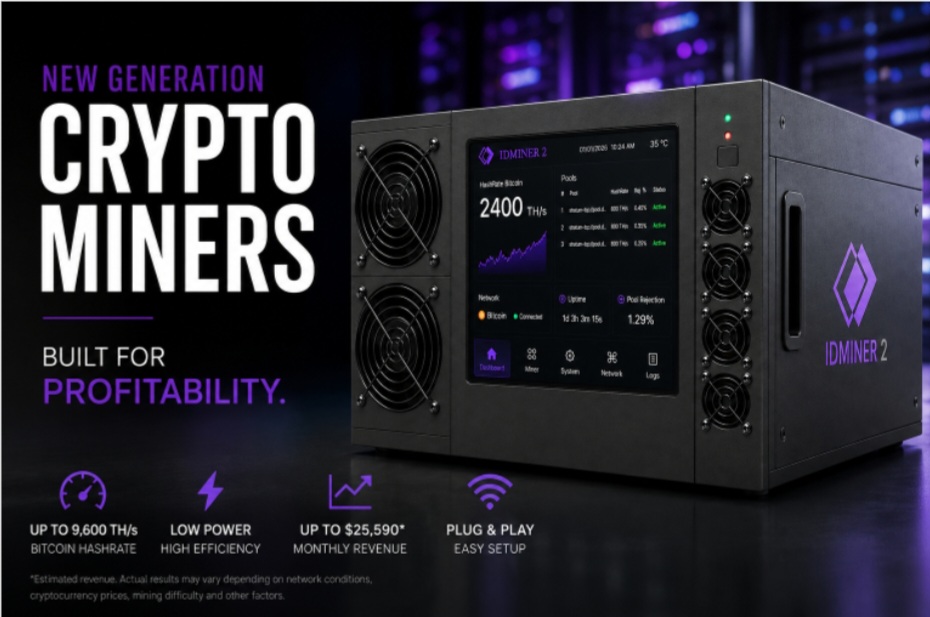
New Generation of Crypto Miners Released by ASICID

Hong Kong, Hong Kong, October 6th, 2026/Chainwire/–ASICID Inc. has released its IDMINER Series, a new lineup of cryptocurrency mining systems designed for Bitcoin, Litecoin, and Dogecoin mining. The series includes the IDMINER HomeRack, IDMINER 2 and IDMINER 1, with configurations ranging from 1,150 TH/s to 9,600 TH/s of Bitcoin hashrate and from 350 GH/s to … Read more

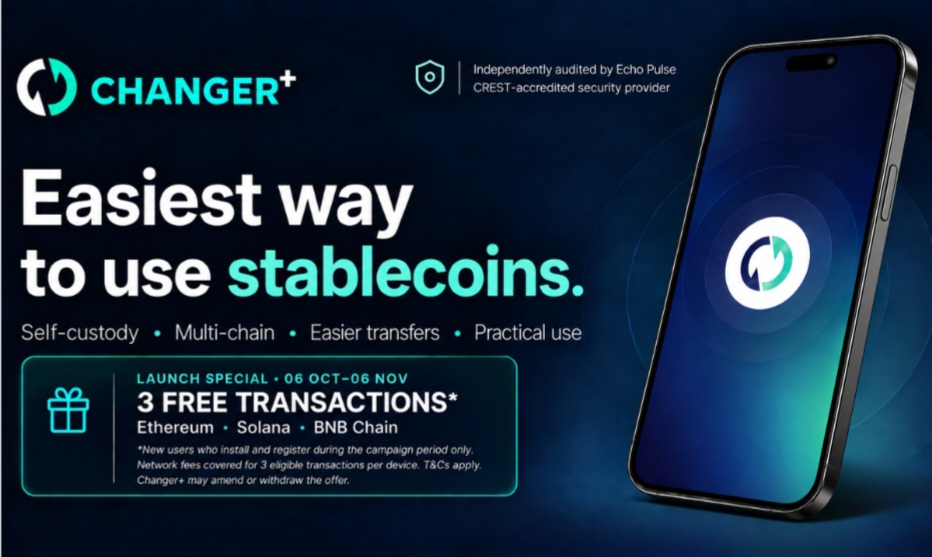
Changer+ Launches Stablecoin-First Self-Custodial Wallet to Make Stablecoins Easier to Use

Singapore, Singapore, October 6th, 2026/Chainwire/—Changer+ today announced the launch of its self-custodial stablecoin wallet, built to make holding, moving and using stablecoins simpler. Changer+ supports major stablecoins including USDT and USDC across Ethereum, TRON, BNB Chain and Solana, with more networks and stablecoins planned. To celebrate its launch, Changer+ is offering new users three free … Read more

GitGuardian’s Dwayne McDaniel: Ignore Marketing Websites and Jump Straight to Documentation

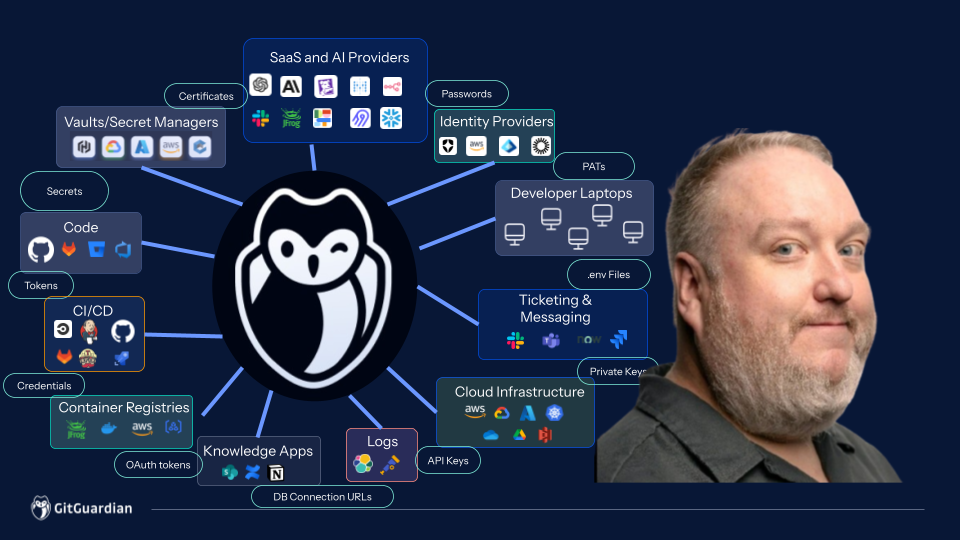
Let’s start with you. Who are you, what do you do, and what does your company build? I’m Dwayne McDaniel, Principal Developer Advocate at GitGuardian. I help people figure stuff out. I see that as my entire mission. I am very happy to help people learn better practices around secret security.  GitGuardian, the company I … Read more

53 Blog Posts To Learn About Brick_trade

Let’s learn about Brick_trade via these 53 free blog posts. They are ordered by HackerNoon reader engagement data. Visit the Learn Repo or LearnRepo.com to find the most read blog posts about any technology. “Brick_trade,” referring to traditional retail or physical asset exchange, highlights the intersection of established commerce with digital transformation. It matters as … Read more

HUD’s Roee Adler on the NYSE: Why AI Coding Needs to See What Happens in Production 

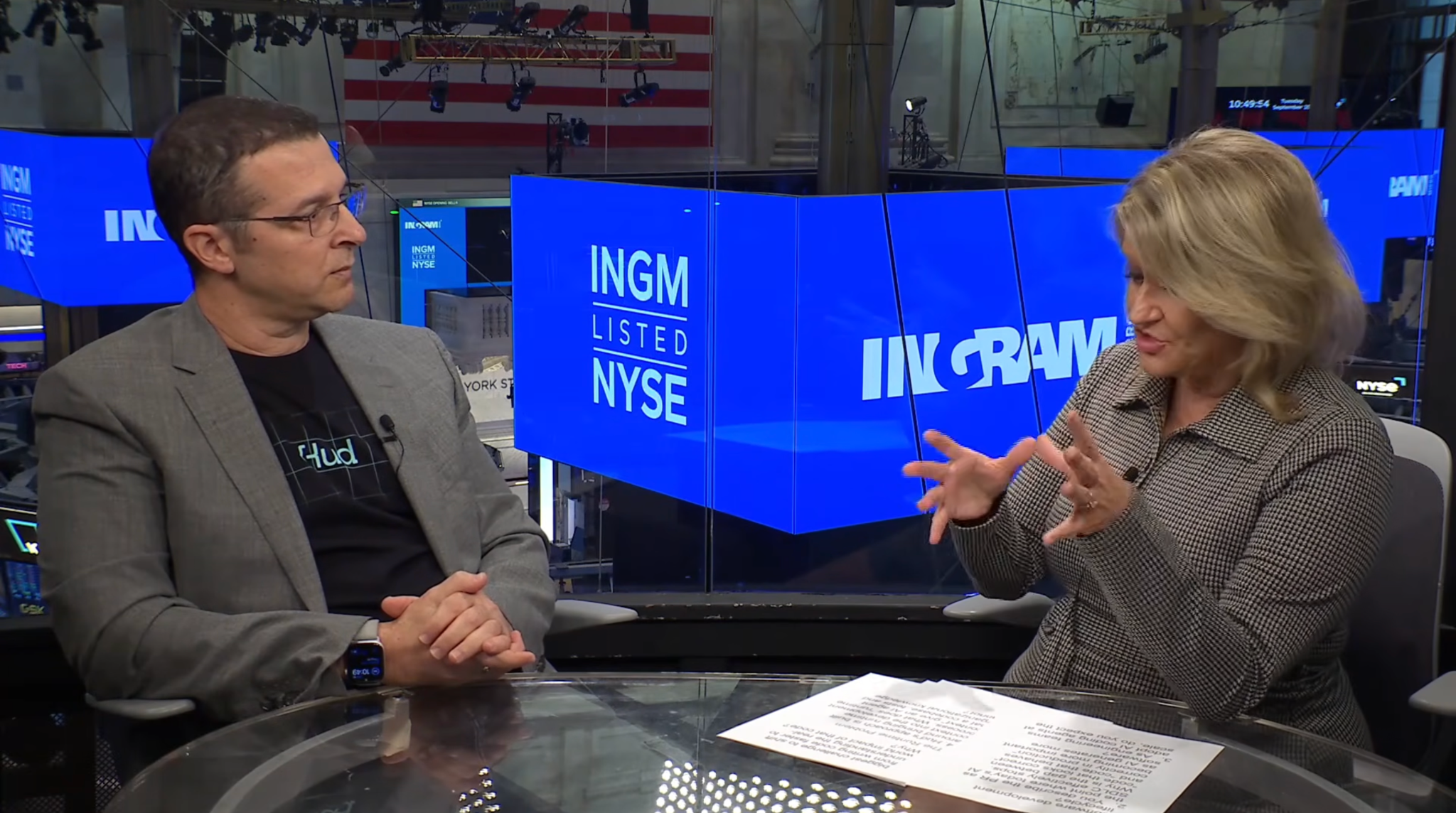
AI coding agents are rapidly changing how software is built, allowing engineering teams to generate and modify code at a pace that would have been difficult to imagine only a few years ago. But during a recent NYSE interview with Jane King, HUD CEO and co-founder Roee Adler argued that faster code generation is exposing a different problem: AI can write code without necessarily understanding how that code will behave once it reaches production. For HUD, that gap between code and real-world behavior is becoming one of the most important challenges in modern software engineering. Adler discussed how the company’s runtime technology is designed to give AI coding agents visibility into production, helping engineers move faster without sacrificing reliability. The Gap Between Code and Production Adler described software engineering as having two distinct realms: the code engineers create and the environment in which that code ultimately operates. While large language models have been trained on enormous amounts of source code, they generally lack the same depth of information about how software behaves under real-world conditions. (The) Software engineering world is divided into two realms. There’s the realm of codes and then there’s the realm in which the code actually behaves in production. Now, LLMs, the platforms on top of which AI coding agents were built, were trained on mountains of code, but the information related to how that code behaves in reality is just a different kind of data. That distinction becomes more important as AI coding agents become standard parts of development teams. Adler believes the industry has already moved beyond the question of whether AI can make engineers faster; the harder question is whether organizations can safely deploy the software AI helps create. “The bottleneck has shifted in the past year from how fast am I as an engineer to how quickly can my company ship code without jeopardizing stability.” The Rise of “Shaky Finger Syndrome” The shift also creates a new accountability problem. Engineers may increasingly be responsible for deploying code they did not personally write and may not fully understand, even though they remain accountable when something goes wrong. Adler described this as “shaky finger syndrome,” a term HUD heard from one of its customers. The phrase captures the hesitation an engineer can feel when deciding whether AI-generated code is safe enough to enter production. “So someone, a human, has to decide that they’re shipping this code into production. We heard it, by the way, from one of our customers-used the term the shaky finger syndrome. So it was so powerful because everyone just got it right. It’s how can I take responsibility for code that I’m not deeply intimately familiar with, but I’m going to be blamed if something breaks, right.” Bringing Runtime Context to AI HUD’s approach is to bring information about production behavior into the development process. The company has built what Adler described as a runtime code sensor, giving AI coding agents visibility into how functions behave in production as they reason about code. At HUD we built a runtime code sensor which is a technology that is based on two main pillars. One is function-level behavioral context. So the coding agent understands how every function behaves in production as it is reasoning over code, and the second is what we call a forensic engine. The second component is designed to provide detailed information when something goes wrong, including problems involving errors, slowdowns, CPU and memory. Instead of requiring engineers to piece together what happened from logs, traces and monitoring tools, HUD aims to make that production context directly available to the development workflow. “At HUD, part of our core beliefs is that people shouldn’t do sort of investigative police work to try to understand what happened at the scene of the crime. They should just have the information directly from there, which is exactly the forensics engine.” Why Visibility Matters at Scale Adler also argued that conventional sampling can leave important gaps in production visibility. Large applications can generate billions of events, making it impractical to collect and analyze everything. Yet the events most likely to reveal an emerging problem can be unusual or infrequent, meaning they are precisely the events that sampling can miss. “When something goes wrong, it’s always on the margins. It’s always this rare occasion that is always sampled out,” Adler said. HUD’s technology is designed to operate alongside running software, providing visibility into behavior without simply sending every piece of available data elsewhere. “A lot of our IP is about being there, living and running together with the code, not missing anything but also not sending anything.” Toward a Continuous Feedback Loop Adler sees this runtime visibility as part of a broader change in the software development lifecycle. Rather than treating coding, deployment and monitoring as separate stages, he believes AI coding agents will need a continuous feedback loop that connects the code they produce with what happens after deployment. “Coding agents need an iterative continuous feedback loop from the code that they are shipping into their own behavior.” That model would allow teams to catch problems before deployment where possible, while also responding quickly when an issue only emerges under real production conditions. The goal is not simply to identify a failure, but to feed the resulting information back into the development process so the AI agent can improve future changes. The Next Stage of AI-Powered Engineering For Adler, the transformation of software engineering will extend beyond AI-generated code. As writing software becomes increasingly automated, reliability, monitoring and system health may become the next parts of the development lifecycle to undergo major changes. “The writing of software is already being revolutionized because uh almost no one’s using IDEs anymore. They are not looking at code as much as they did in the writing office.” Ultimately, HUD’s vision is for AI coding agents to take greater responsibility for the consequences of the software they produce, not just the code itself. Adler described that as a future in which greater engineering velocity could actually improve reliability rather than putting additional pressure on it. We are hoping to look at these as a sort of yin and yang, to build this infrastructure, this platform where the more you increase velocity, you actually increase reliability. And that would, I think, unlock the power of AI code generation into engineering organizations at a much, much different level.