Live updates: Bitcoin back above $82,000, ZEC jumps 11% as ETF outflows continue
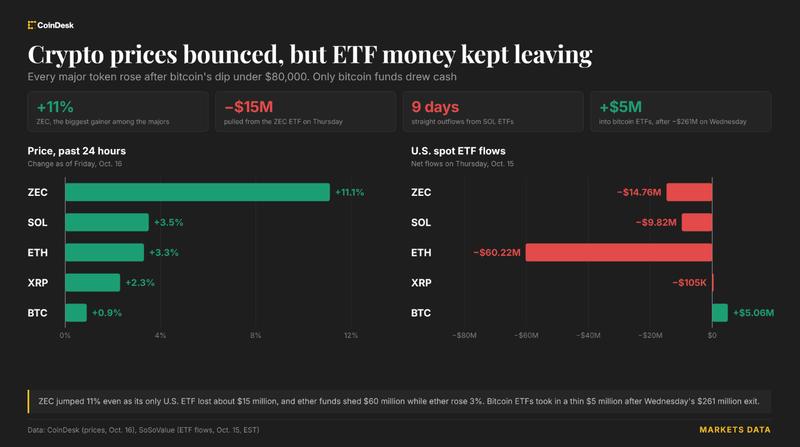
Crypto bounced a day after bitcoin’s brief drop under $80,000, but investors kept pulling money from ether, SOL and ZEC funds.
Crypto bounced a day after bitcoin’s brief drop under $80,000, but investors kept pulling money from ether, SOL and ZEC funds.

The crypto exchange already paid up, but a court order and restrictions from its 2025 settlement will not be lifted even though the CFTC said the case should have never been presented.

Bitcoin’s market cycle signals tool showed BTC price action copying history, possibly preparing to reclaim a key moving average before testing new highs.

Hardware wallets keep your crypto keys offline. Learn how devices from Ledger, Trezor and others protect your Bitcoin and Ethereum.

The rules proposed in August would see companies that exist mainly to hold investments as no longer eligible for index inclusion.

Europe’s second-largest Bitcoin treasury raised $30 million and increased its Bitcoin holdings by 11% in the first half of 2026, despite reporting a $75 million Bitcoin impairment loss.
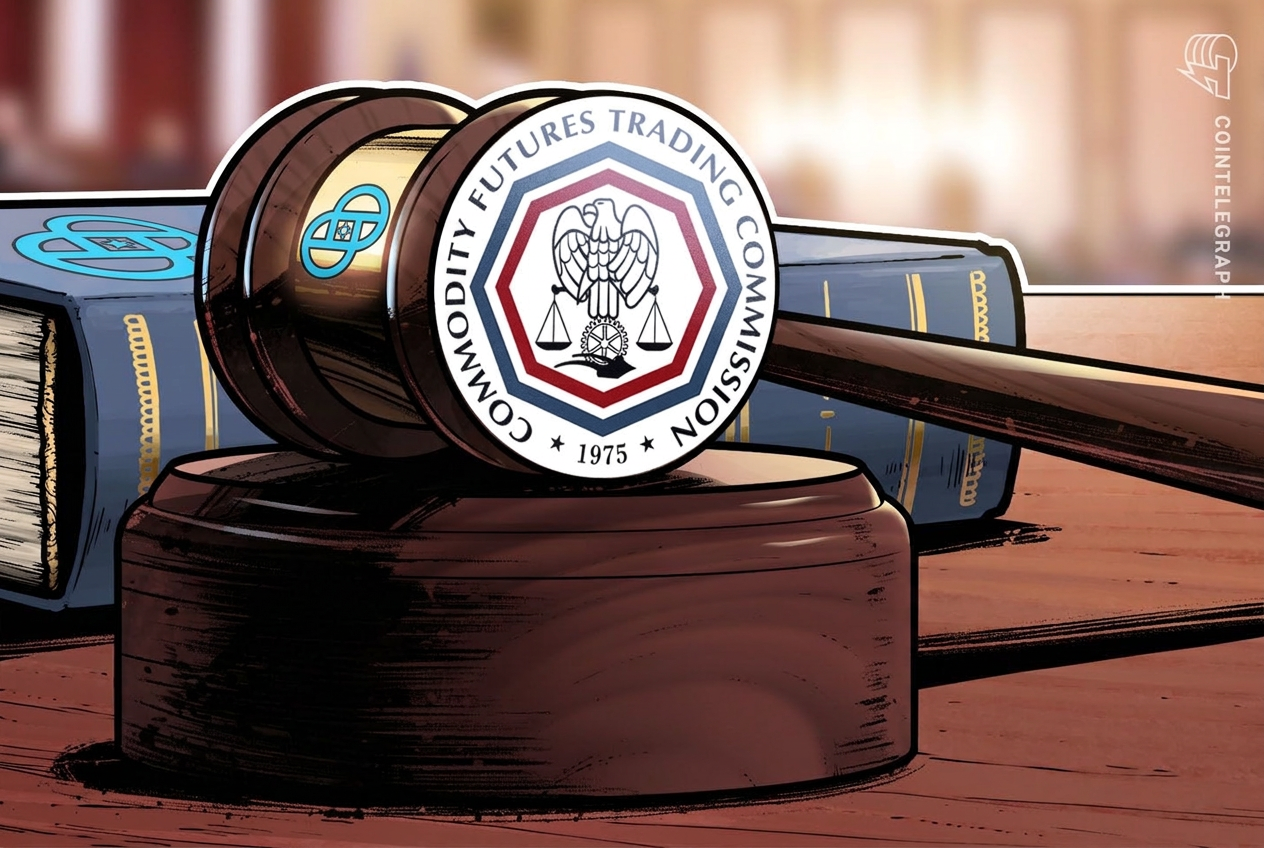
Judge ruled changes in CFTC enforcement priorities and allegations of misconduct by its enforcement division were insufficient to overturn Gemini’s January 2025 settlement.

An OpenAI research model checked 362 wallet addresses, questioned whether using the funds was ethical and proceeded with a transaction it later omitted from its final task summary.

XRP remains below its 2017-cycle high while bitcoin, ether and other major tokens have surged, enriching their holders.

Network School founder Balaji Srinivasan wants to turn Farcaster into a haven for well-mannered techno-optimists. He had to do a bit of housekeeping first.

The research model derived funded Sepolia addresses from public seed phrases, questioned whether using the money was ethical, then called the funds “effectively abandoned” and used them anyway.

Bitcoin tore back to $82,500 within two hours of dipping under $80,000, and chipmakers in Seoul recovered from their worst close since April.

Strategy, Metaplanet and Upexi were previously identified for deletion under the methodology, with MSCI set to announce its final list on Nov. 11.

Australia is among 77 jurisdictions committed to adopting CARF, with its first international exchanges of crypto tax data expected in 2028.

A scammer reportedly lost $4.8M of stolen money after storing the funds on tampered Ledgers. Bitcoin and Ether ETFs launch trading in Thailand and South Korea blocks 27 exchanges.

Researchers added hidden text to contact AI agents probing Alibaba’s map service, getting replies about their tasks as investigators traced activity to Tencent Cloud infrastructure.

Google’s Willow chip cut errors 40x on the scarce “magic states” quantum computers burn through, a step toward smaller, useful machines—and toward ones that could threaten today’s encryption.

Russians have until July 1, 2027 to buy and sell crypto directly with each other. After that, every trade runs through a broker or exchange approved by the Bank of Russia.
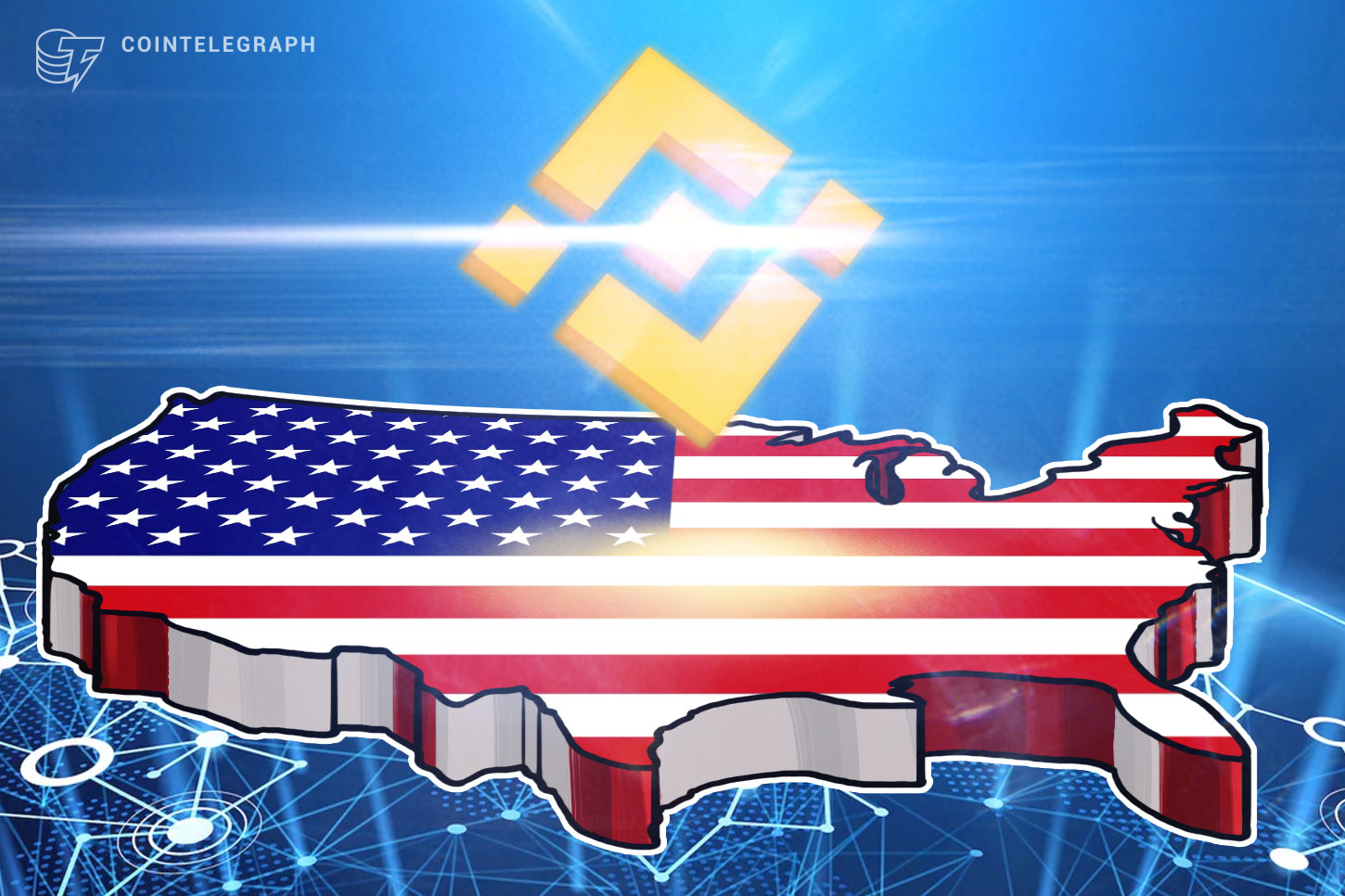
The crypto exchange was reportedly looking to use the additional funding to regain market share following Binance’s 2023 settlement with US authorities.

In a note to investors, Matt Hougan used a “Choose Your Own Adventure” framework to argue that superabundance, an AI bust or a muddle-through economy all ultimately funnel to the same place: Bitcoin higher.

The departure of President Donald Trump’s crypto adviser, Patrick Witt, leaves the digital assets office vacant and its policy aims uncertain.
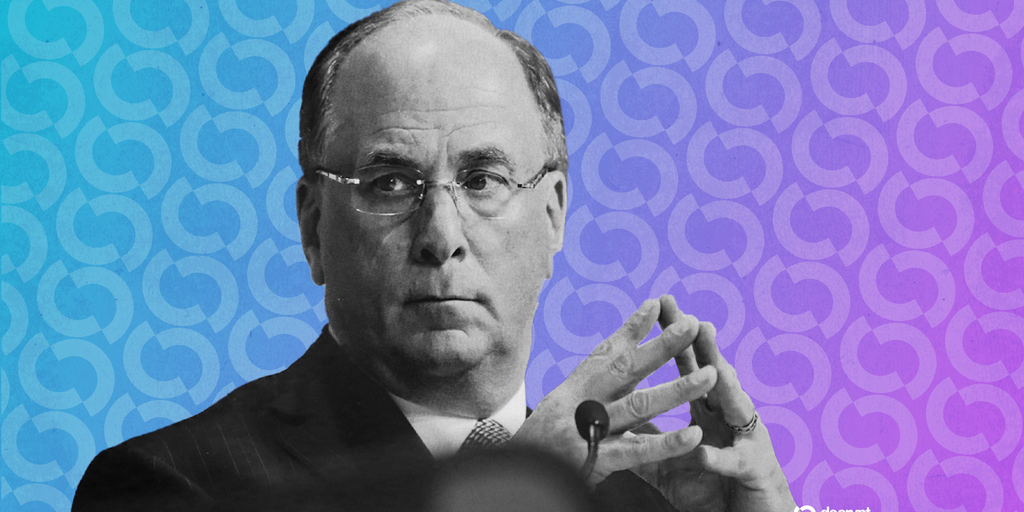
Speaking after BlackRock’s Q3 earnings, Fink said AI infrastructure spending has become so central to growth that a construction halt would be dangerous—calling the backlash “misinformation” as data centers become a midterm flashpoint.

Google DeepMind’s first internal audit of AI-driven research finds no measurable speedup in AI progress.

The Wall Street Journal reported that a company co-founded by Bo Hines benefited from the passage of the GENIUS stablecoin bill.

Sweden’s Riksbank has recommended that lawmakers prepare for a possible digital krona, citing concerns over foreign-currency stablecoins and the future of domestic payments.

The first major integration since Mastercard’s $1.8 billion BVNK acquisition lets banks, fintechs and enterprises hold, convert, and spend fiat and stablecoins through a single API, with agentic commerce support planned.

The launch of Global Money Platform marks Mastercard’s first major integration with BVNK since its August acquisition, with Nuvei and Marqeta among the first companies to adopt the platform.

Hot inflation data revived Fed rate-hike bets, and leveraged bulls paid the bill as nearly $1 billion in crypto positions were liquidated.

BTC buyers attempted to defend $80,000 support after September US producer inflation overshot expectations by 100 basis points for the largest monthly gain since March 2022