SpaceX and Tesla explore merger that would unite more than 30,000 bitcoin
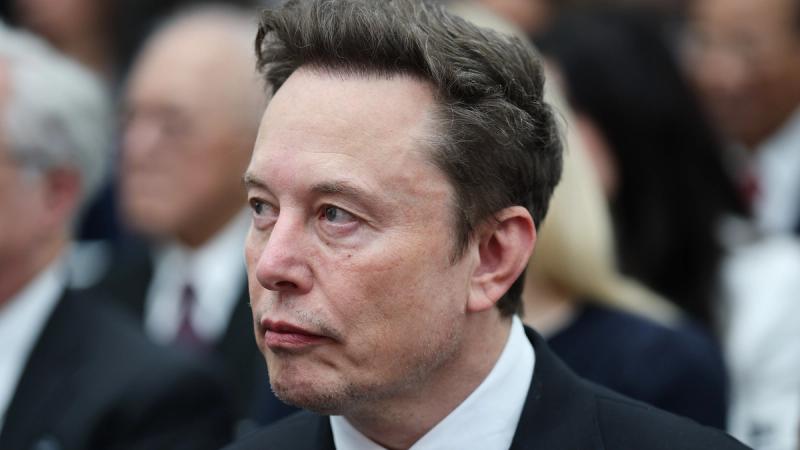
Independent committees are assessing a potential tie-up, while strong SpaceX earnings lift shares ahead of Tesla’s results.
Independent committees are assessing a potential tie-up, while strong SpaceX earnings lift shares ahead of Tesla’s results.

Open interest has topped $300 million and price is back above $600. A similar setup was seen before January’s crash.
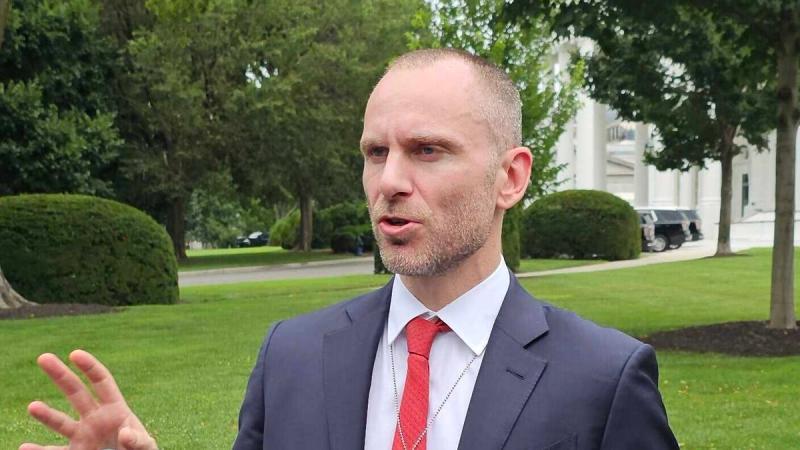
The Series A round, which included participation from North Island Ventures and existing investors, brings New York-based Mural’s total funding to $28 million.

The NU7 upgrade will cut the time between Zcash blocks to 25 seconds from 75 seconds. The chosen block height still has to be merged into the spec and shipped in node software.
Institutions can trade through Ripple Prime and post RLUSD as collateral. Finding enough buyers and sellers for large positions could prove harder.
Alpenglow will replace the voting system Solana has used since 2020, targeting roughly 150-millisecond finality after months of testing that included a failed migration and rollback.

Eight secret keys at eMudhra, an Indian firm that vouches for websites, were compromised. Browsers and software makers are rushing out fixes.
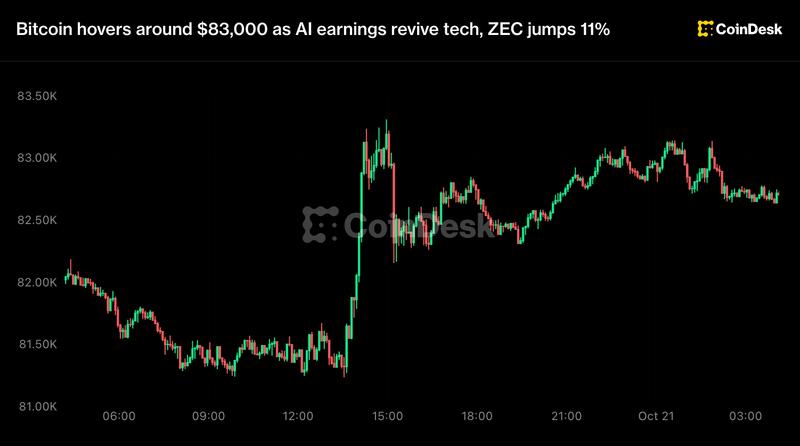
Strong results from SpaceX and Super Micro sent Asian chip stocks surging, and ZEC led crypto higher after developers set a date for its next network upgrade.
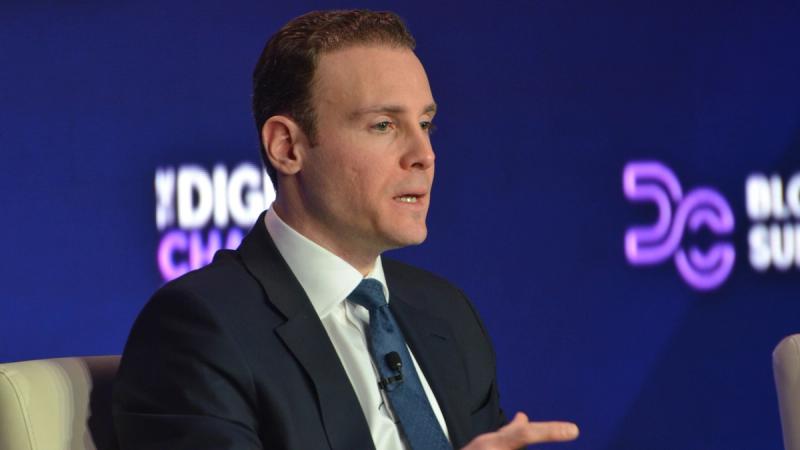
A Commodity Futures Trading Commission task force is scheduled for October 28 to talk about how the latest “super intelligence” technology may impact markets.
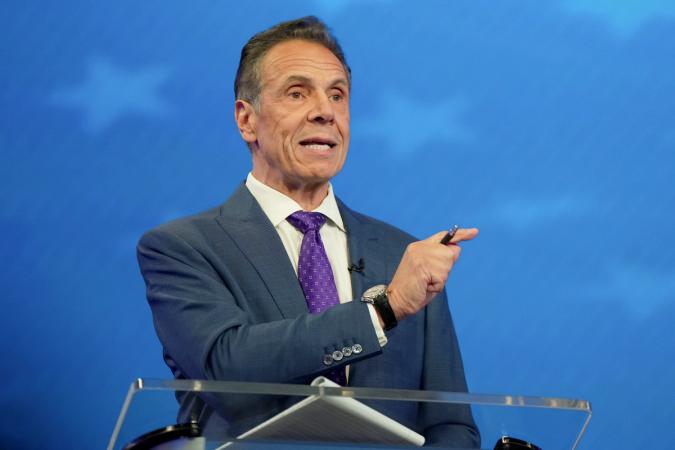
The former NY governor, who co-chairs the joint venture between the crypto exchange and Intercontinental Exchange, said companies were expected to take a wait-and-see approach.

Corporate adoption of bitcoin will stall as long as companies can’t show who controls the money, who approves its movement, or whether it’s still there, argues Onramp CEO Michael Tanguma.
BlackRock’s proposed fund follows similar products from Calamos that helped investors avoid steep losses during bitcoin’s selloff.

The court injunctions apply strictly to users within the AIFC and do not extend across the rest of Kazakhstan.
Seven more issuers have opted out of being listed on the planned tokenized stock venue under the SEC’s framework, bringing its disclosed objection count to 16.

Amendment I-3898 removes tax deferral for MiCA-compliant stablecoins starting January 2027.
Your day-ahead look for Oct. 20, 2026
The report marks the first time JPMorgan has put a range on bitcoin returns in its research, though the bank remains cautious about BTC’s role in portfolios.

Bitcoin slipped 0.5% to around $81,400 even after the biggest daily spot ETF inflow in nearly a month as South Korea’s Kospi index fell 3.7% on AI worries.

South Korea’s KOSPI fell almost 4%, accompanied by one of the weakest IPO debuts in the country’s history, with data centre company Elice tumbling around 30%.
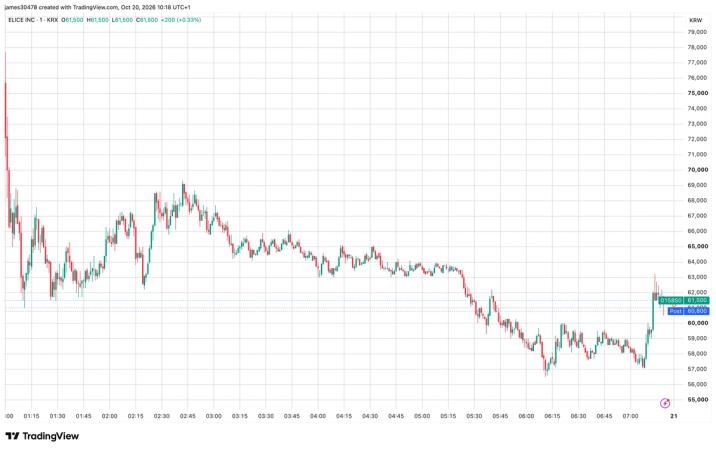
Elice’s debut slump added to concerns over AI infrastructure valuations, while rising oil prices compounded market uncertainty.

Fidelity’s FBTC and Grayscale’s GBTC saw outflows of $83.6 million and $54.9 million, respectively.

The stablecoin issuer’s CEO, Paolo Ardoino, has been defending against accusations that the firm’s stablecoins have fueled financial activity in Iran.
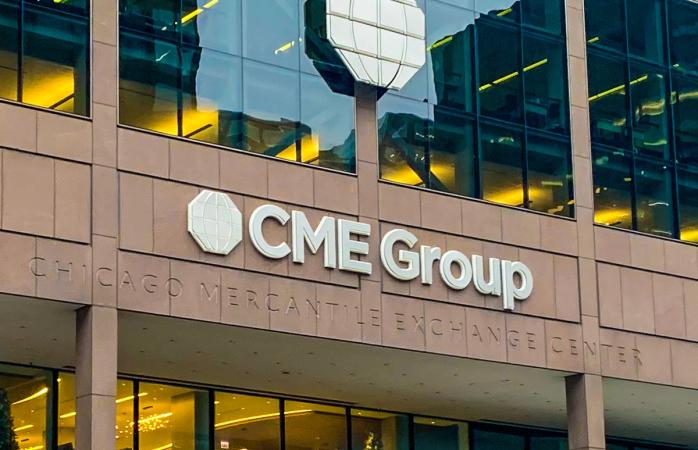
The future of perps in the U.S. may be at stake as the CFTC argues that CME hasn’t shown the new policy is hurting it after the agency OK’d its first bitcoin perp.

The launch comes as Zerohash bids for a federal trust charter.

Hoskinson said on X the language will bundle transaction requests with cryptographic proofs. He hasn’t shared a name, specs or a release date.
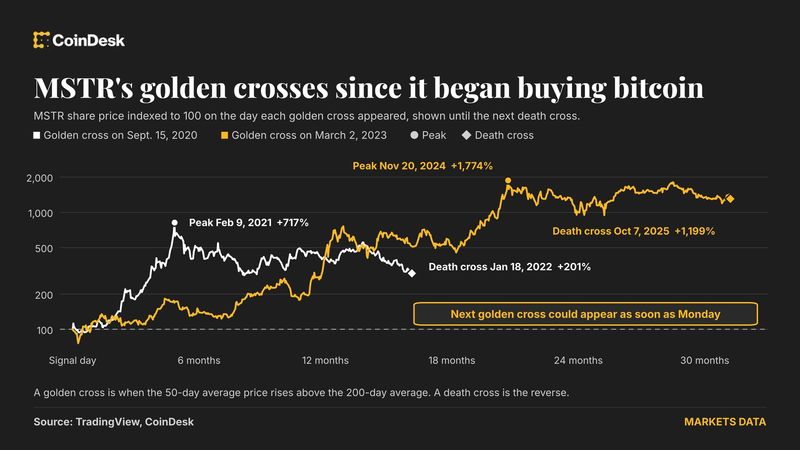
Your day-ahead look for Oct. 19, 2026
Tech futures bounced after last week’s 5.5% rout; earnings this week put the AI trade to the test again.
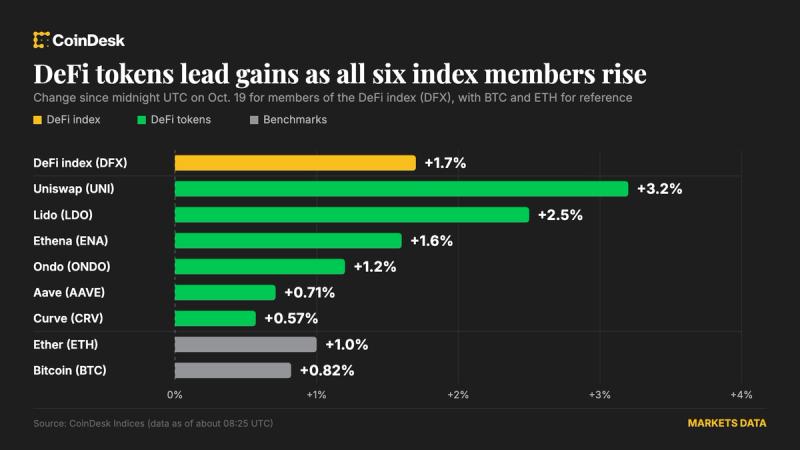
Bitcoin rose 0.8% to around $82,700 as China’s GDP beat estimates and Nasdaq futures rebounded, while the CoinDesk 80 gained 1.3% and DeFi led gains.
JPMorgan’s dollar deposit token is heading to Ethereum as the lender looks to offer it to wider selection of institutional clients.

Curator-managed lending strategies are attracting institutional capital, while exposing depositors to collateral, liquidity and smart-contract risks.