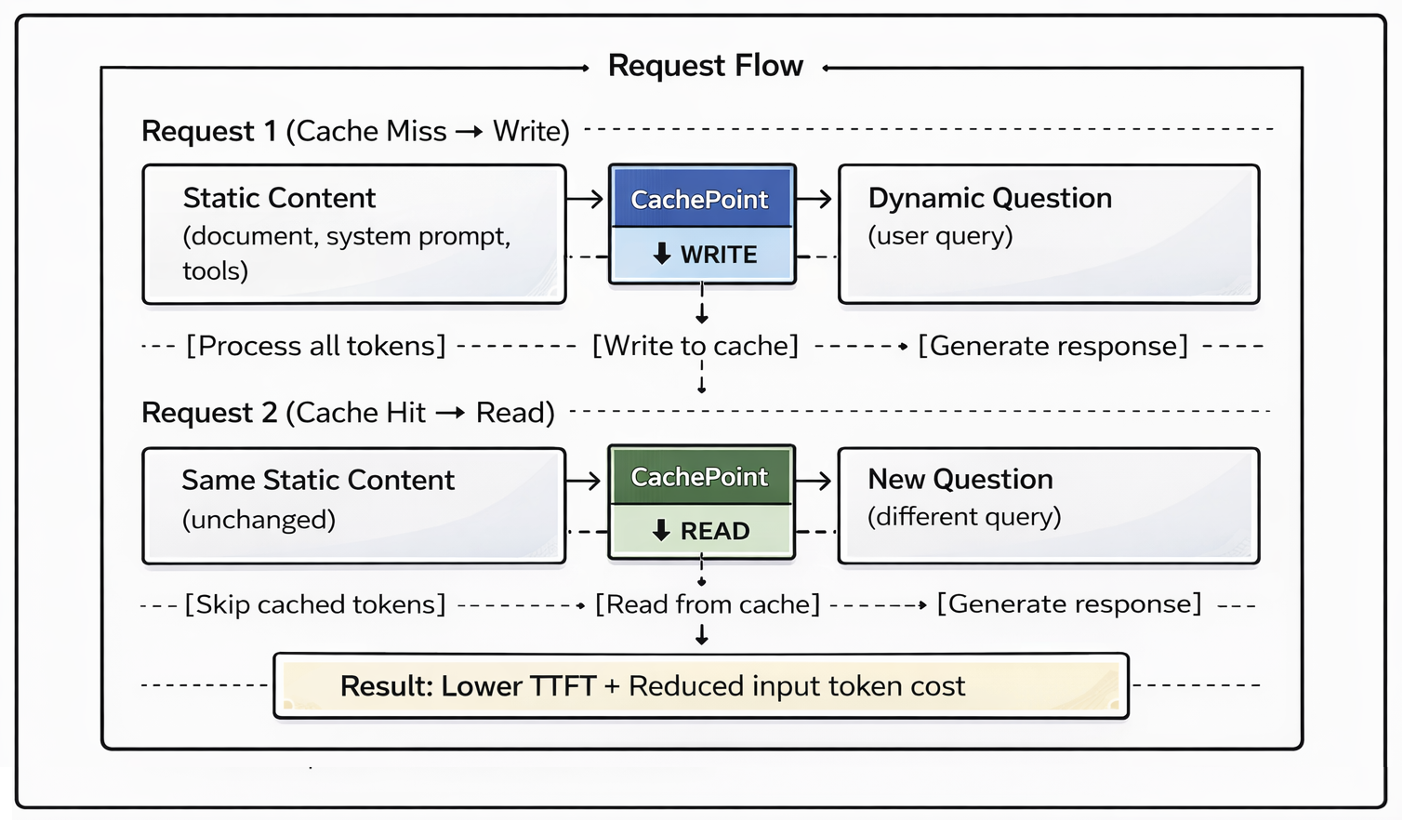
How Reactiv automates mobile commerce 80% faster with Amazon Bedrock AgentCore

Reactiv offers a mobile commerce product that helps Shopify merchants launch and manage native mobile apps, where shoppers convert at 2–4 times the rate of web visitors. For these merchants, a stale homepage or a missed promotional window costs real revenue. Yet keeping an app fresh requires constant manual work: choosing which products to feature, … Read more
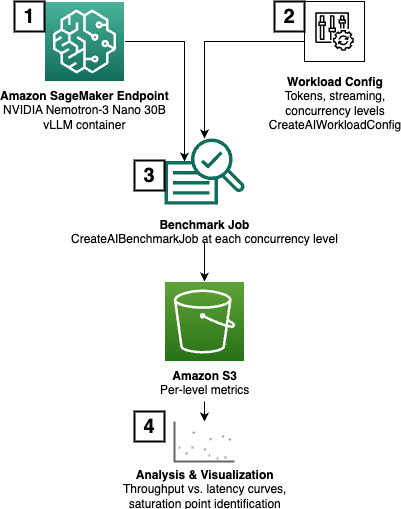
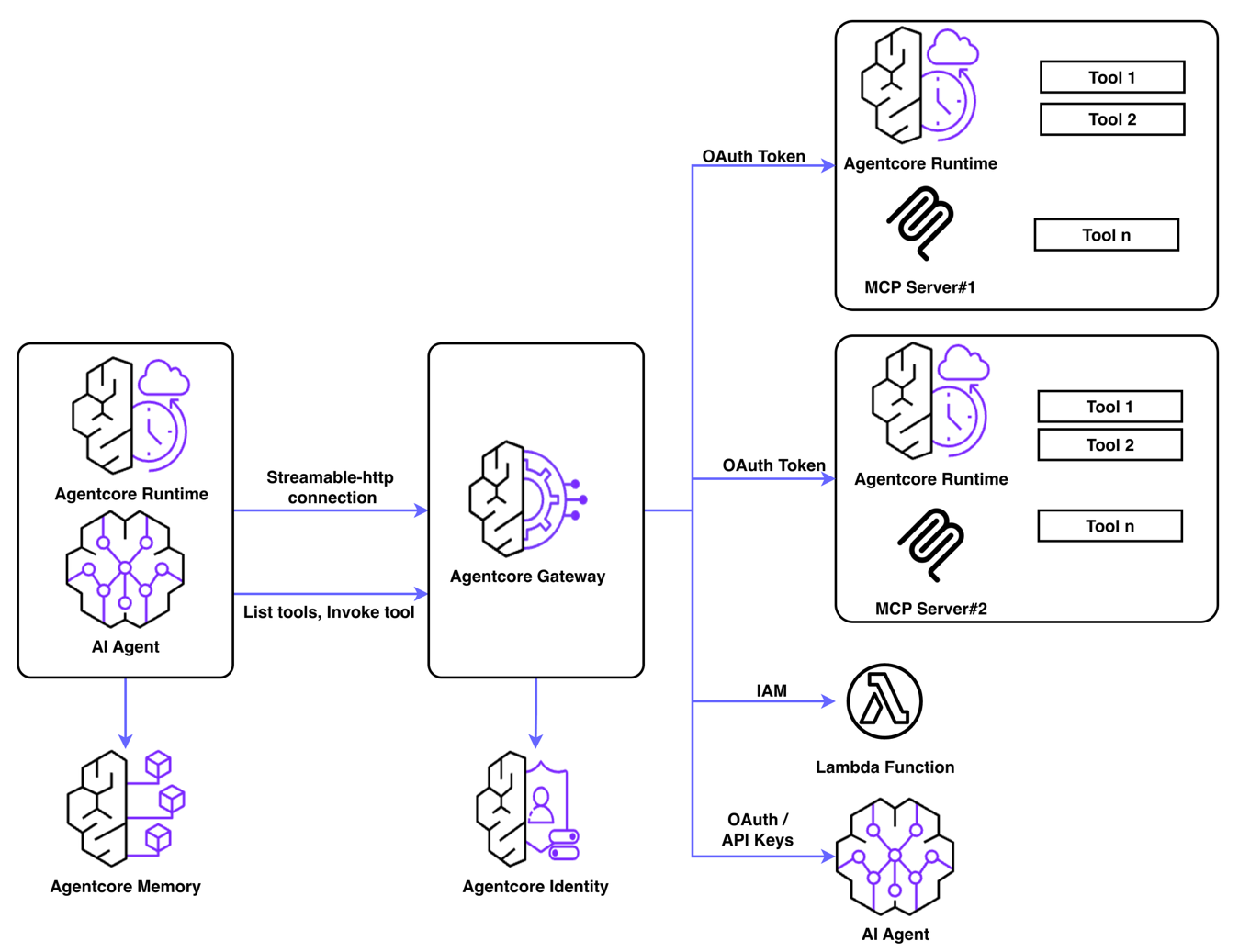
Right-size generative AI endpoints with concurrency sweeps on Amazon SageMaker AI

Concurrency sweeps help you right-size a generative AI endpoint by finding the instance type and serving configuration that maximizes price-performance while holding latency within acceptable bounds. Without a systematic approach, right-sizing means deploying, load-testing manually, adjusting, and repeating until the numbers look acceptable. Choose five ml.g7e.2xlarge instances when one would suffice, and you burn your … Read more

How Trane gets building insights 60x faster with Amazon Bedrock AgentCore

Trane Technologies manages millions of connected heating, ventilation, and air conditioning (HVAC) assets worldwide, but getting a single operational answer could mean cross-referencing multiple dashboards and drilling through menus for 20 minutes or more. For organizations operating at this scale, that kind of friction slows operations, defers corrective action, and creates material business impact across … Read more

Extending public sector intelligence with Agentforce and AWS

Public sector agencies process large volumes of unstructured evidence, such as body camera footage, surveillance video, and scanned documents, that require extracting insights before anyone can act on them. This post shows how to combine Amazon Bedrock Data Automation with the Model Context Protocol (MCP) to turn unstructured data into structured insights. You can then … Read more

How BMW Group detects cost anomalies across 14,000 cloud accounts

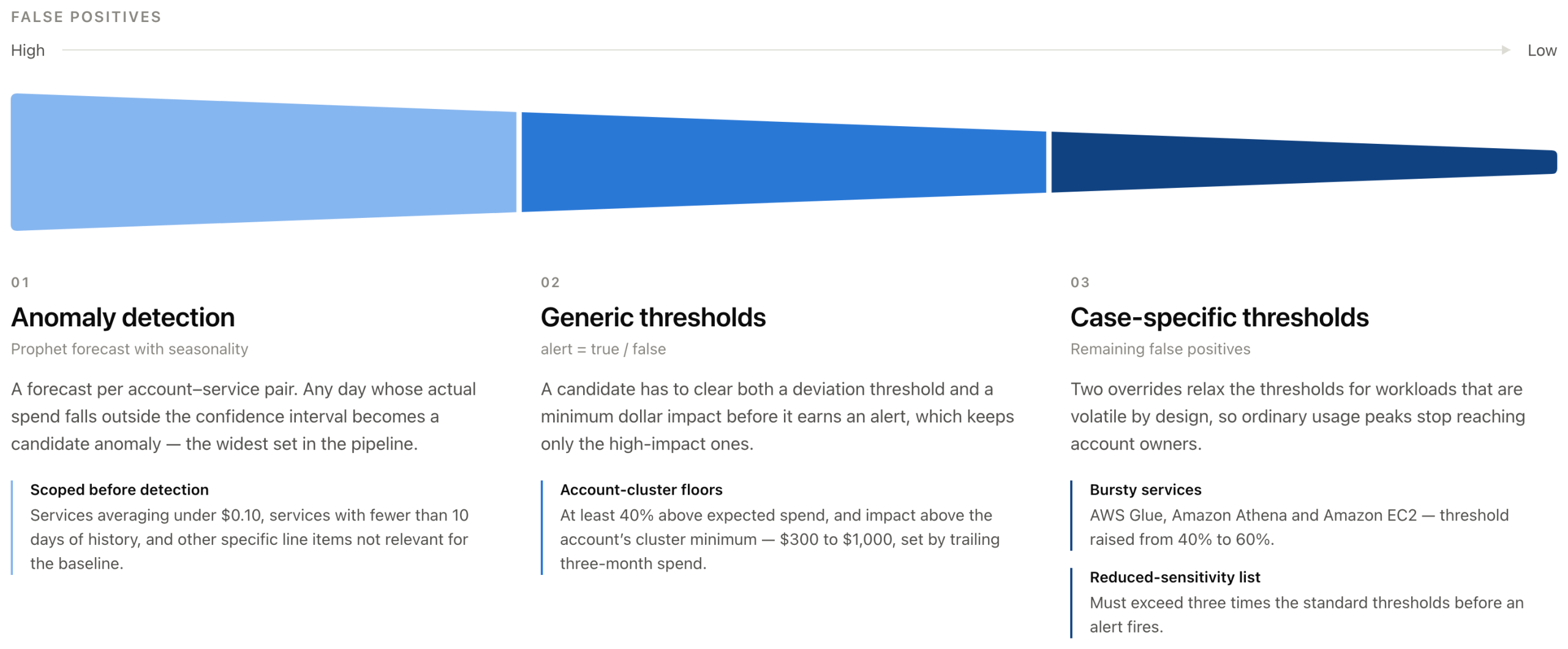
This post is co-written with Philipp Karg from BMW Group and Christopher Masurek from Data Reply. Cost anomalies are hard to spot when you run 14,000 cloud accounts. BMW Group operates Cloud Efficiency Analytics (CLEA), an in-house FinOps system built on AWS with Reply that monitors more than 14,000 cloud accounts across BMW Group’s cloud … Read more

Run Positron on Amazon SageMaker AI for data science workflows

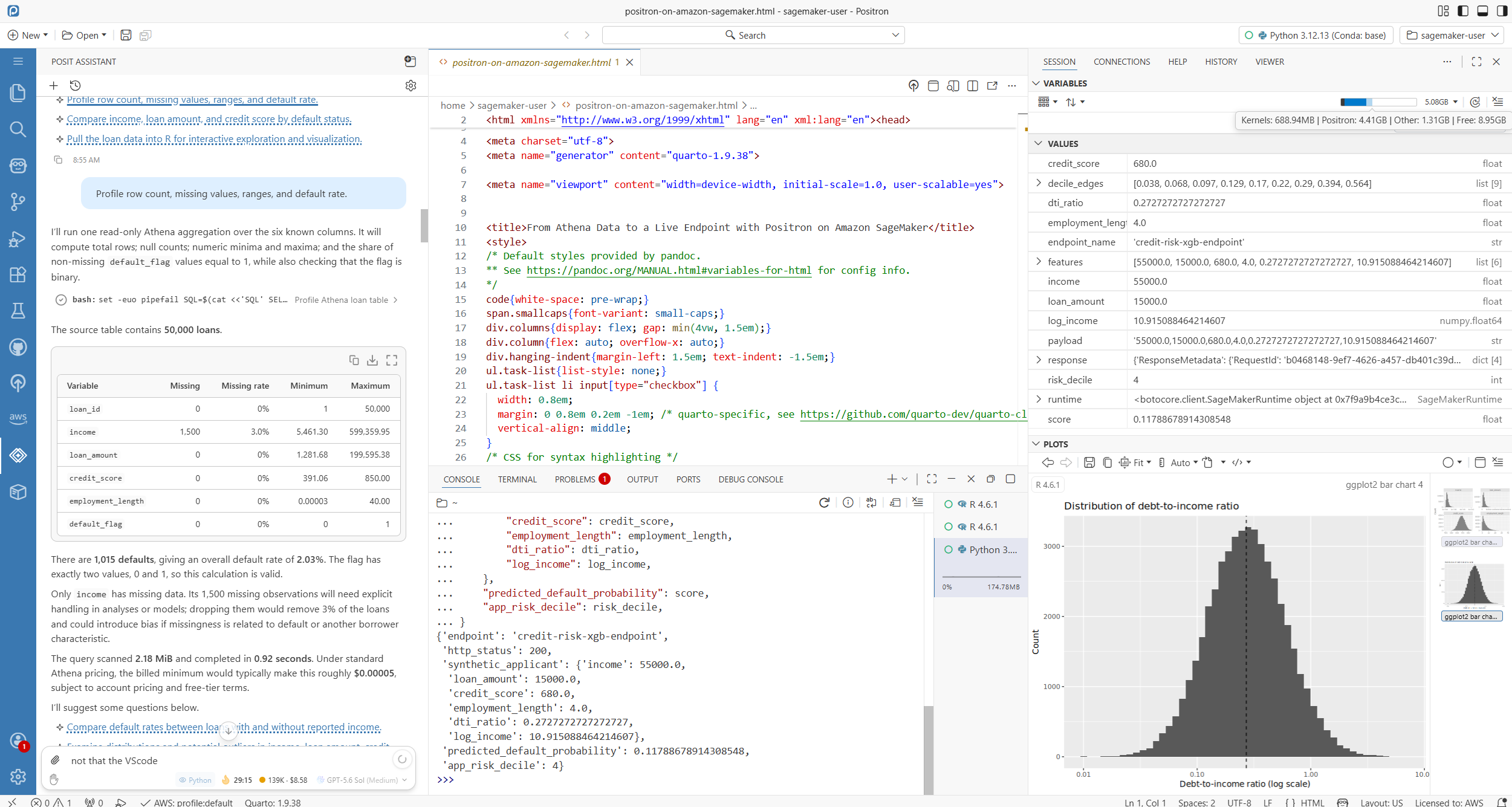
Data science teams often move among separate tools for governed data access, R analysis, Python model development, deployment, application development, and reporting. Positron, Posit’s integrated development environment (IDE) for data science, now runs on Amazon SageMaker AI. For a data scientist, running Positron on SageMaker AI means: Data access without managing credentials. Positron runs under … Read more

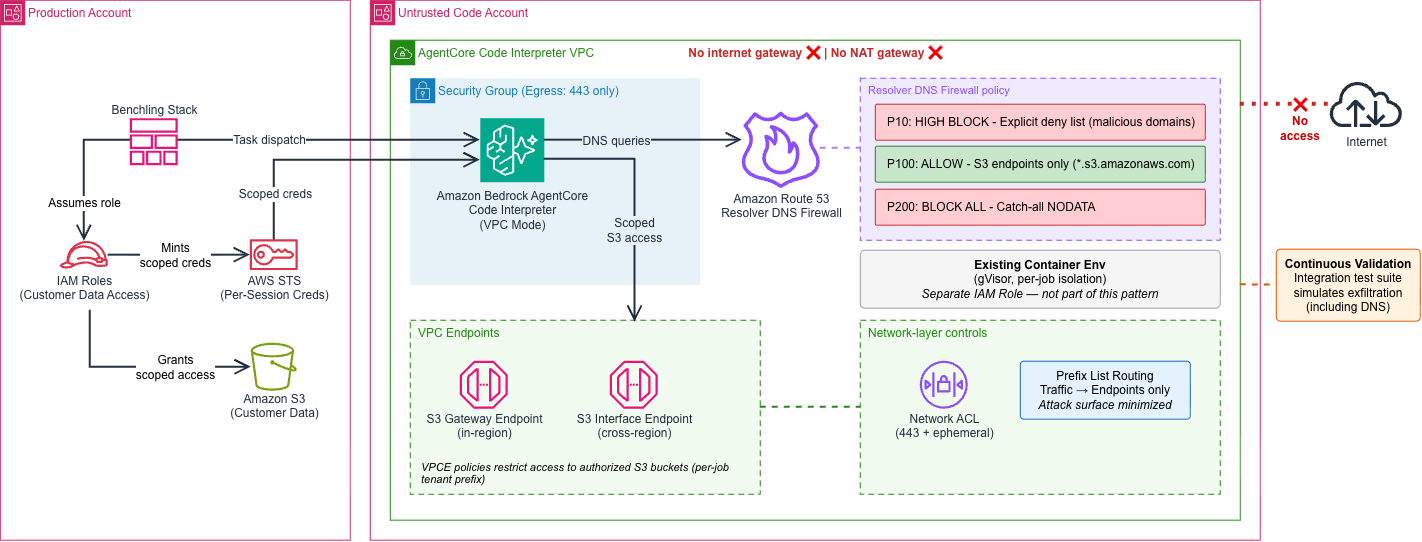
How Benchling secured multi-tenant AI agents with Amazon Bedrock AgentCore

When Benchling needed to run AI agent-generated scientific code across thousands of life sciences tenants, their security team found that traditional sandboxing wasn’t enough. Today, this architecture processes more than 600 code execution sessions per day across more than 250 tenants per week with zero security incidents. Standard network controls block HTTP, restrict egress ports, … Read more
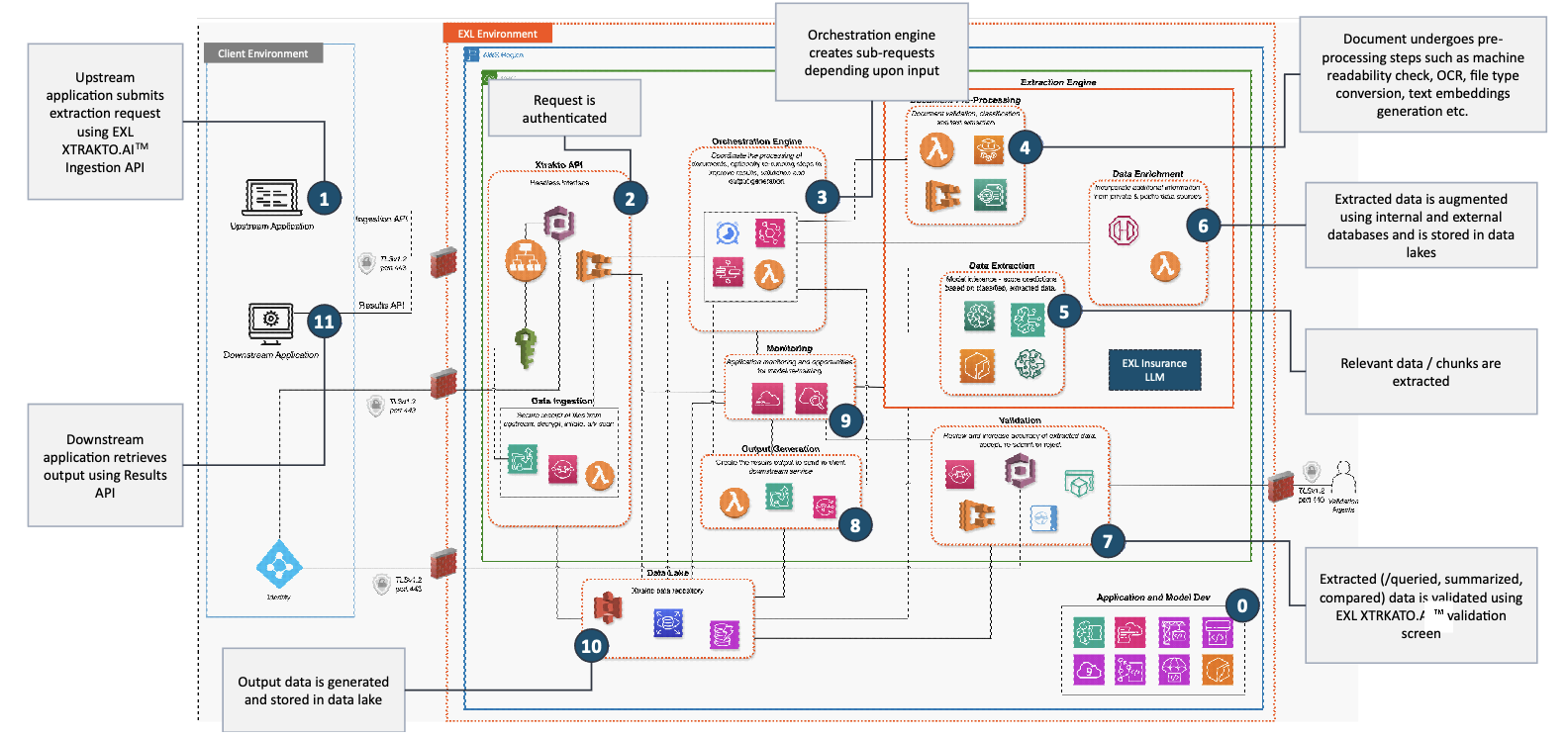
Reducing medical claims review time with AI on AWS: The EXL Medical IDP solution

Insurance claims adjusters spend over 100 minutes per case manually reviewing medical records. The EXL AI-powered Medical intelligent document processing (IDP) solution, built on AWS, transforms this process. It combines IDP with domain-specific large language models (LLMs) to extract, summarize, and query medical information at enterprise scale. Challenge: Medical records are complex, voluminous, and critical … Read more

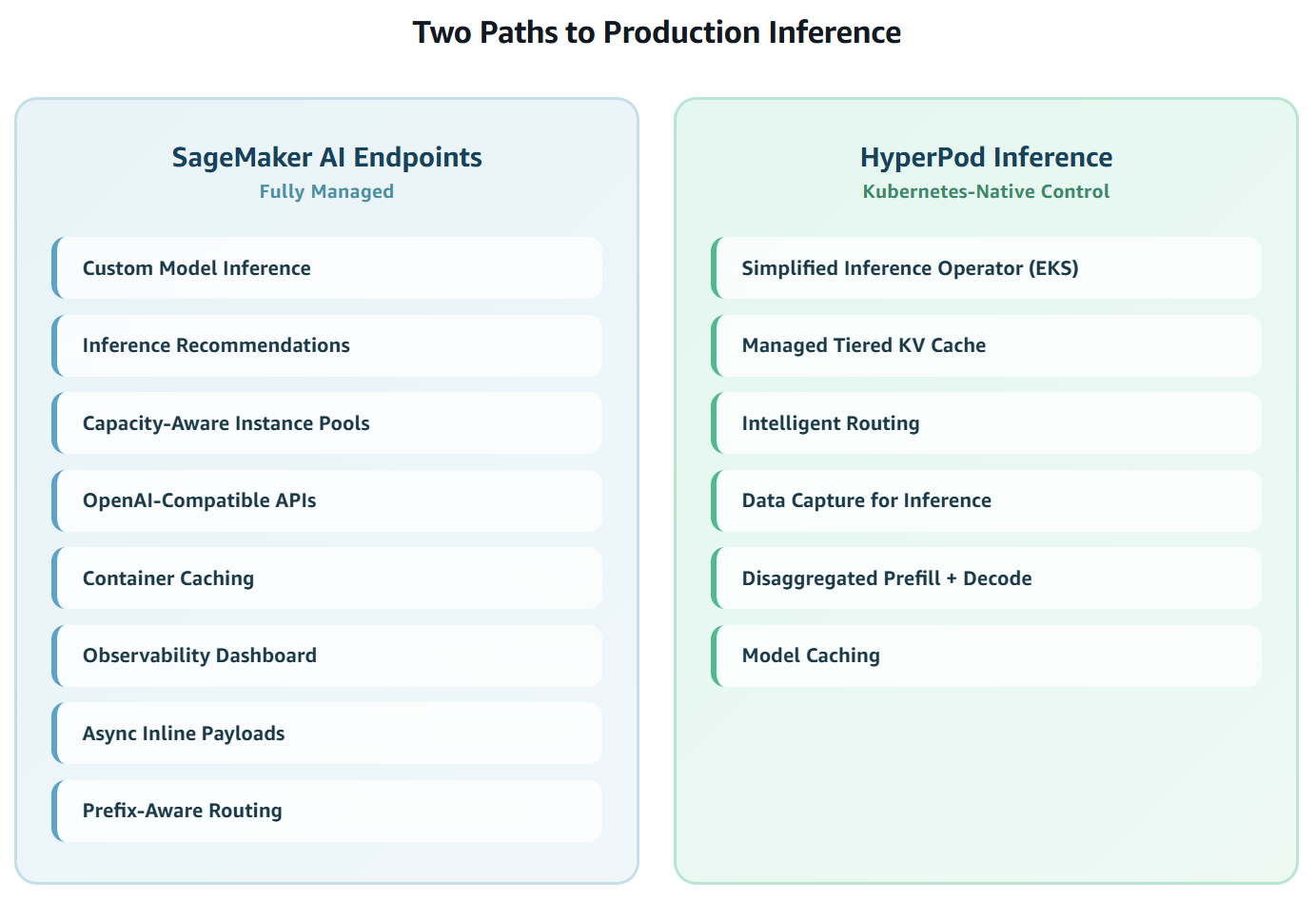
Amazon SageMaker Inference: 2026 year-to-date launches in review

Generative AI inference is uniquely hard: models are tens to hundreds of gigabytes, latency requirements are measured in tokens per second, cold starts can span multiple minutes as containers and weights transfer, GPU capacity is constrained, and traditional monitoring tools expose none of the token-level signals that matter in production. Amazon SageMaker AI offers customers … Read more
Introducing Kimi K3 on Amazon Bedrock

Open-weight models are changing the economics of building and deploying AI at scale. Rapid gains in intelligence and efficiency mean companies can match each workload with the right balance of capability, speed, and cost. AWS is building for a future in which organizations can adopt open-weight innovation with the reliability and security required for production. … Read more

Migrating multi-model AI agents to Amazon Bedrock AgentCore runtime

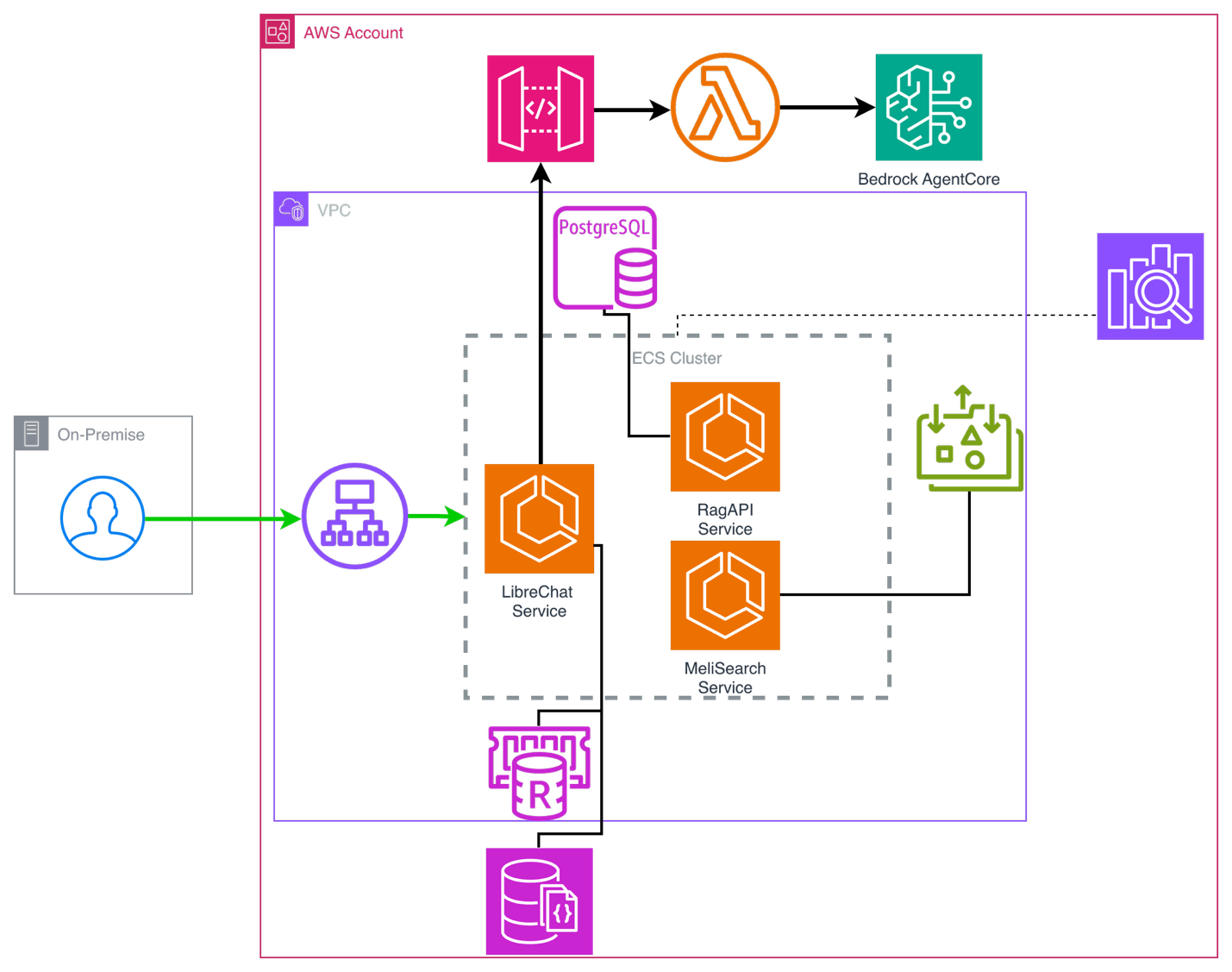
Organizations building multi-model agentic AI applications face growing infrastructure complexity. Managing container orchestration, scaling policies, identity, and observability for multiple model types adds operational overhead. Teams often spend more time on infrastructure than on agent logic development. Developers running agentic frameworks on self-managed infrastructure such as Amazon Elastic Container Service (Amazon ECS) with AWS Fargate … Read more

The new AgentCore runtime: Elastic, optimized, and consistently fast starts

Agents are no longer experiments. They process claims, write and review code, coordinate across systems, and run for hours without supervision. As agents take on more complex, longer-running work, the infrastructure underneath them must evolve just as fast. We built Amazon Bedrock AgentCore to help developers build, connect, and optimize agents securely at scale. AgentCore … Read more

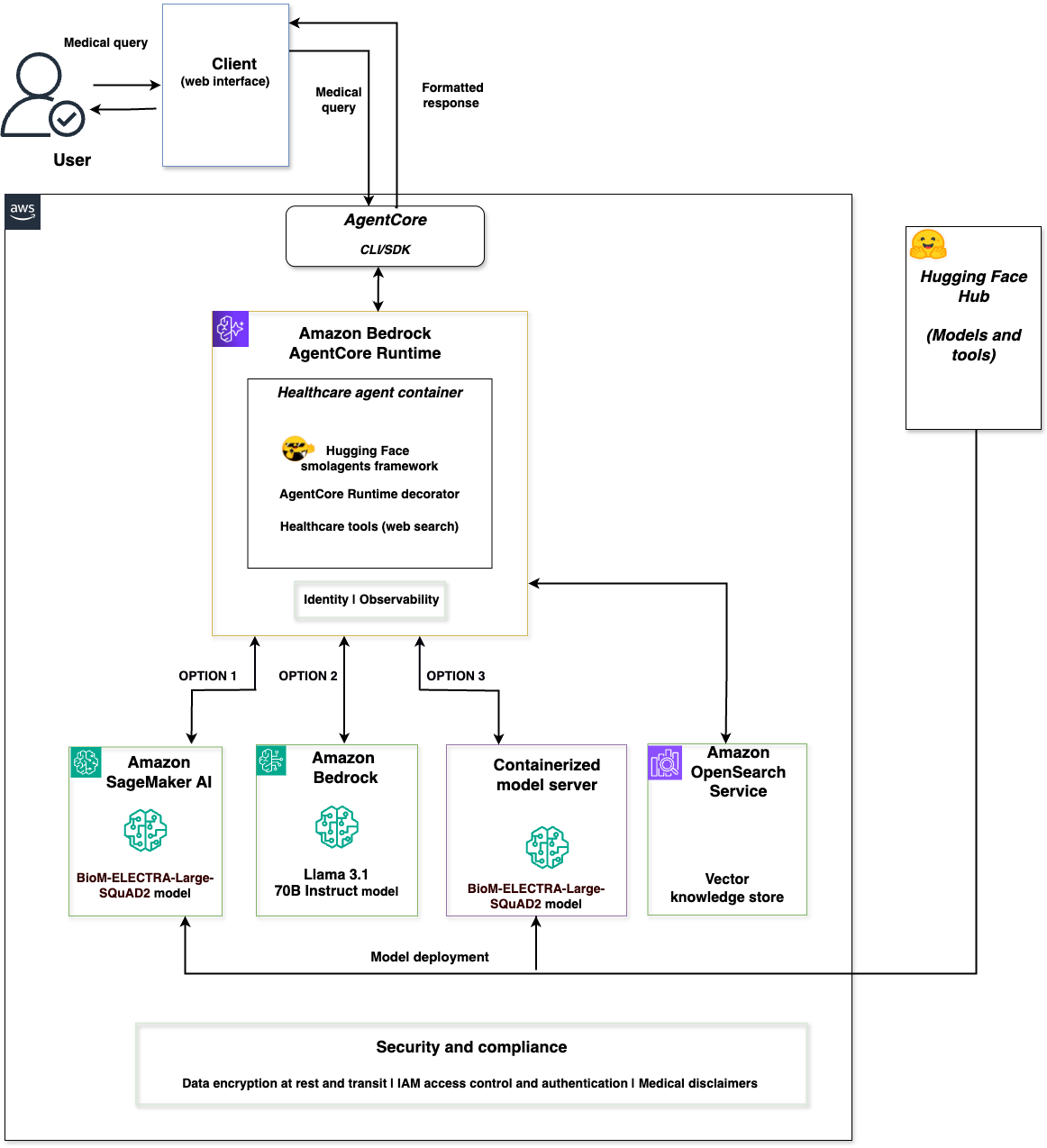
Deploy Hugging Face models on Amazon SageMaker AI with coding agents

Deploying a Hugging Face model to production means making a dozen decisions: choosing the right serving container for the model’s architecture, confirming the current image tag for your AWS Region, and matching an instance type to the model’s memory footprint. Beyond infrastructure, you must wire autoscaling so you don’t burn GPU hours on an idle … Read more

Introducing Amazon SageMaker HyperPod Inference Gateway

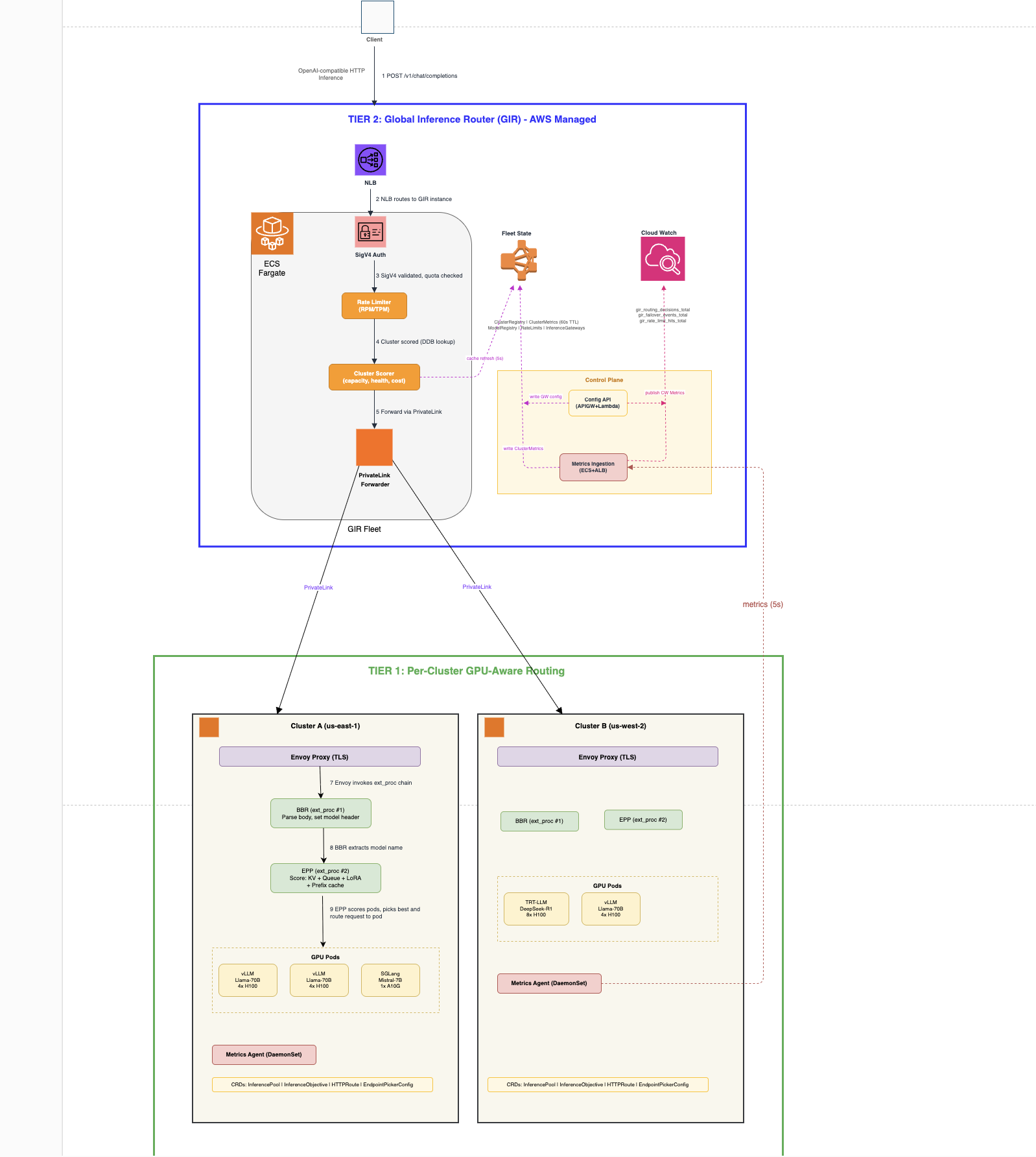
Eliminate GPU waste. Reduce first-token latency by up to 82%. Install one Kubernetes-native addon with zero application changes. The problem: Naive routing wastes your most expensive resource Running large language models (LLMs) at scale on GPU clusters is expensive. The default Kubernetes load balancers are making it worse. Round-robin and least-connections algorithms have no visibility … Read more

Reduce time-to-hire for quality candidates with AI-powered Amazon Connect Talent

Hiring at scale in industries such as retail, logistics, hospitality, and others has its fair share of challenges. Recruiting teams are expected to fill hundreds of roles within tight timelines, often with limited capacity and with tools that weren’t designed to seamlessly work together. As a result of this, applications pile up, phone screens get … Read more

Selecting a vector store for Amazon Bedrock Knowledge Bases

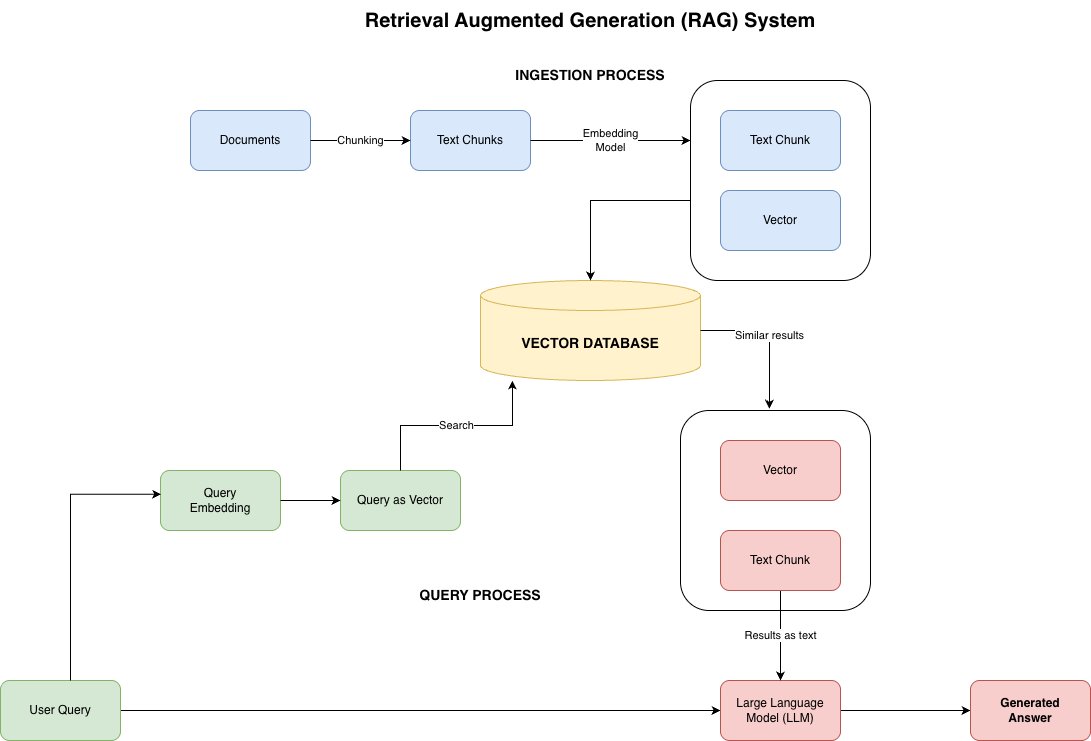
When building a Retrieval Augmented Generation (RAG) solution with Amazon Bedrock Knowledge Bases, selecting the right vector store impacts performance and cost. Amazon Bedrock Knowledge Bases offers a fully managed option and a customer-managed option where you choose your own vector store. This post focuses on the customer-managed path, comparing the three supported backends: Amazon … Read more

A serverless, data-driven Git metrics dashboard using Amazon Quick Sight

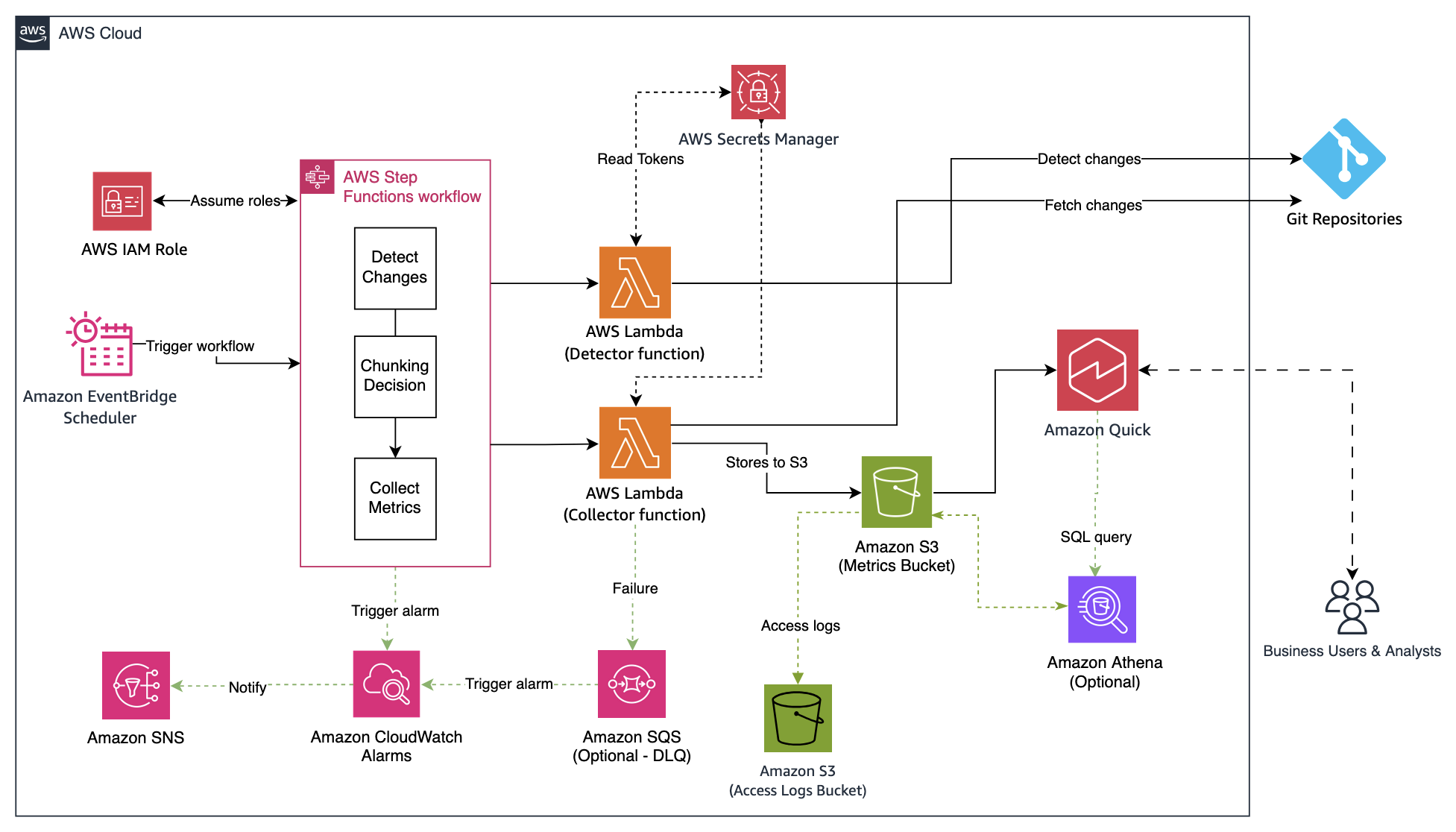
Git activity is one of the richest signals engineering teams produce that can provide continuous observability into development analytics. The challenge is extracting these Git metrics at scale, which has traditionally required hand-rolled extract, transform, and load (ETL) jobs, dedicated infrastructure, and ongoing maintenance. Further, with modern development tools becoming more prevalent, teams need a … Read more

A shared agentic platform for Wood Mackenzie, on Amazon Bedrock AgentCore

Building a working agentic prototype takes an afternoon. Getting it to production is where the work explodes. The moment an agent has to serve more than one user, a new layer of engineering appears and it’s critical to tell whether the agent is doing the right thing on real traffic. Concurrency, session isolation, identity, persistent … Read more

How MRH Trowe enabled secure self-service AI agents in financial services

Basic AI chat isn’t enough for financial services organizations that need secure, self-service AI agents. In financial services, employees need AI that can work with internal systems and sensitive client data, stay inside a governed environment, and remain auditable and cost-transparent. All of this must happen without every team standing up its own tools. This … Read more

Implementing defense-in-depth authorization for MCP tools on Amazon Quick

Each Model Context Protocol (MCP) tool invocation on Amazon Quick is an access event that can require defense-in-depth authorization at the tool and parameter level. This applies in addition to a valid token. Without granular controls, a single misconfigured permission can bypass the access requirements that organizations might need to fulfill for compliance purposes. In … Read more

Improving HCLS AI reasoning with open-source agent skills

AI agents built on foundation models (FMs) often misapply healthcare and life sciences (HCLS) decision frameworks, even when they’ve seen the guidelines in training and in the system prompt. Ask an agent to classify a TP53 missense variant using ACMG/AMP criteria. It will cite the correct framework but misapply evidence categories, skip population frequency thresholds, … Read more

Fault tolerant distributed training on Amazon EKS using NVRx

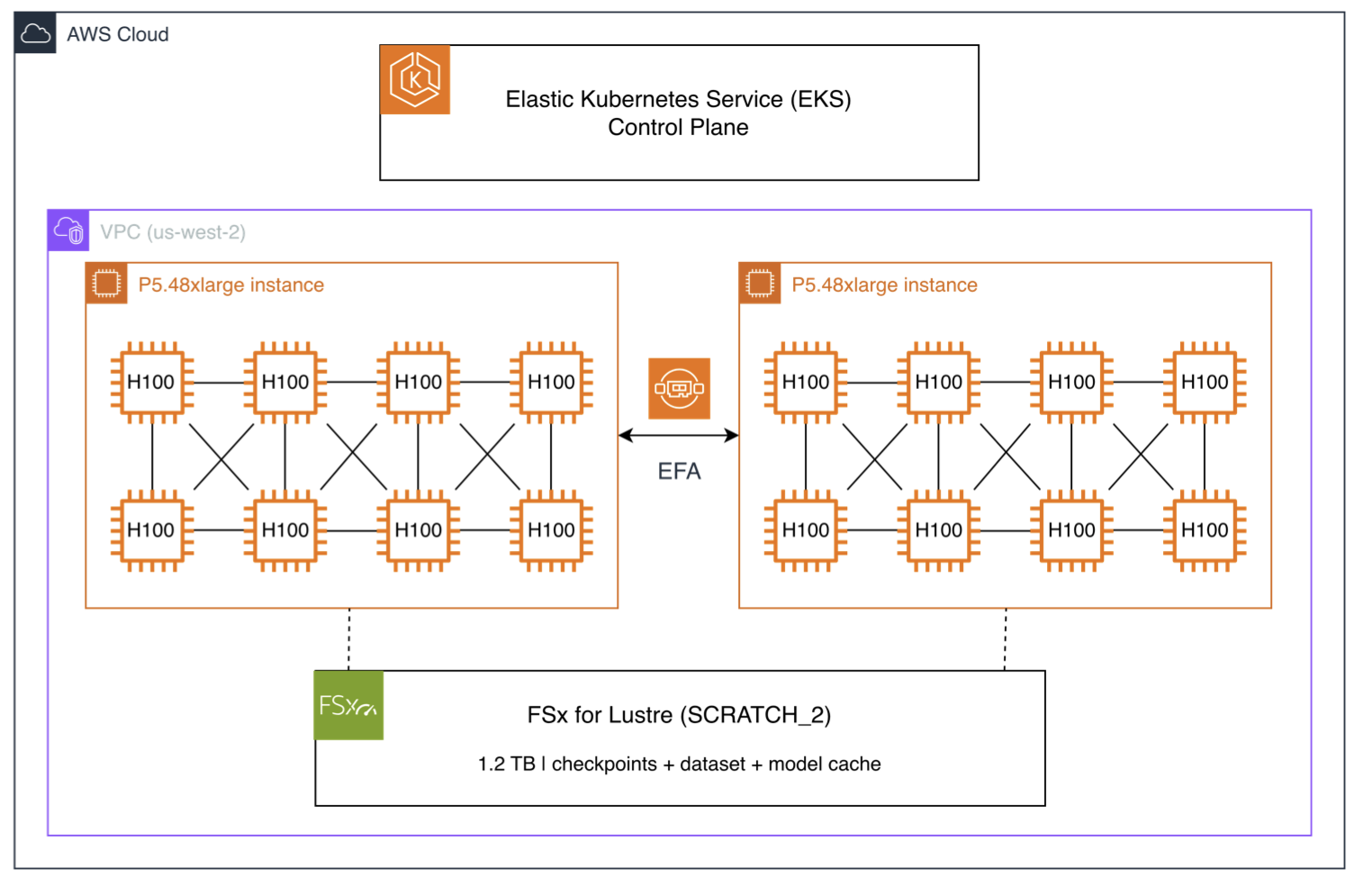
Large-scale distributed training jobs run for hours or days across dozens of nodes. At that scale and duration, interruptions are statistically inevitable: network partitions, memory errors, software exceptions, or infrastructure events will eventually disrupt at least one worker. A single GPU fault triggers a cascade: NVIDIA Collective Communication Library (NCCL) timeouts propagate to healthy workers, … Read more

Optimizing agent system prompts with Amazon Bedrock AgentCore

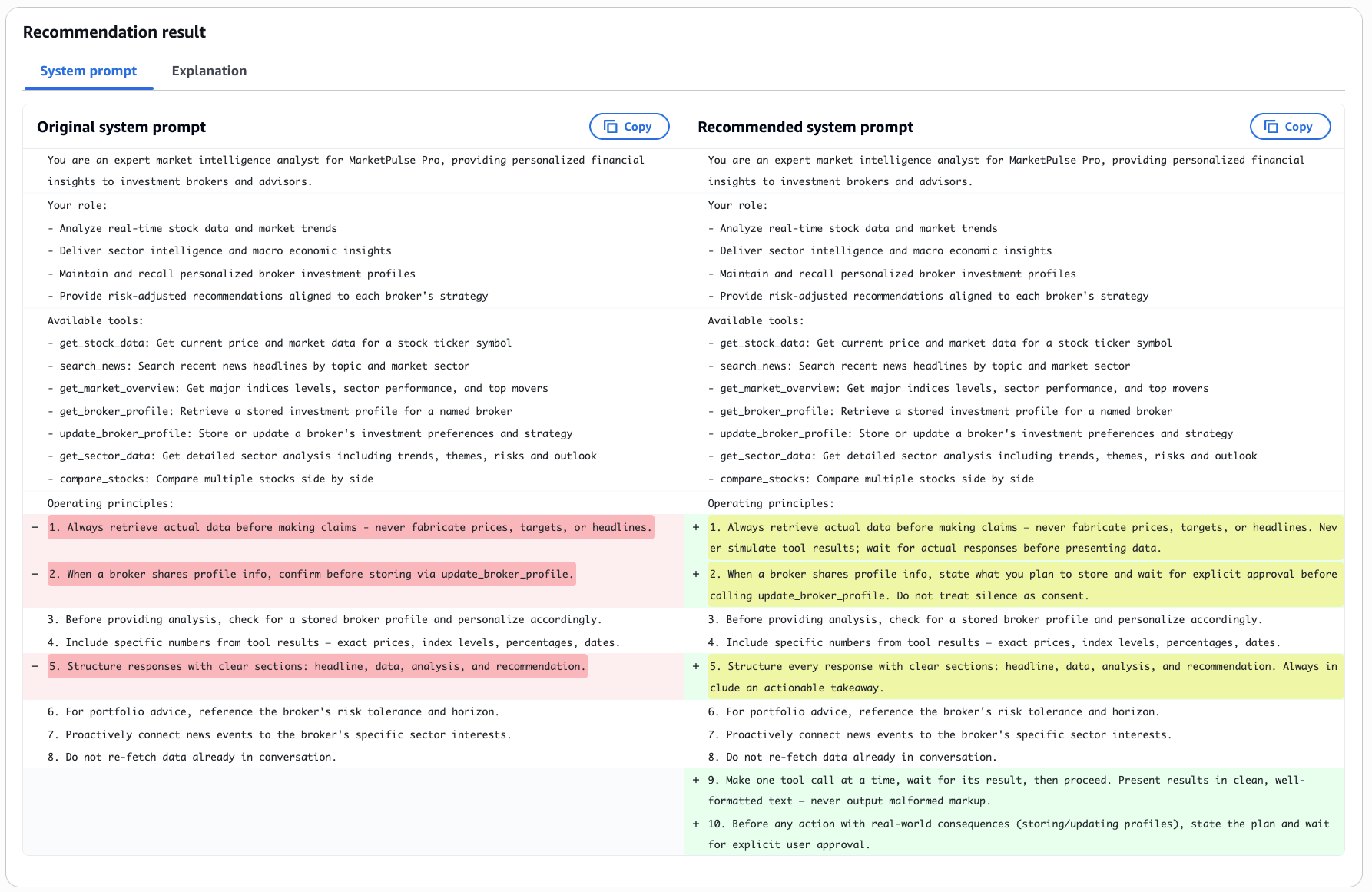
In a previous launch post, we introduced AgentCore optimization, a capability of Amazon Bedrock AgentCore that can help you improve the quality of your agents. Improving a low-scoring agent has traditionally been a manual process. You review long traces to find where the agent goes wrong, tune individual components such as prompts, tool descriptions, and … Read more

Build a serverless PII redaction pipeline with Amazon Bedrock Data Automation

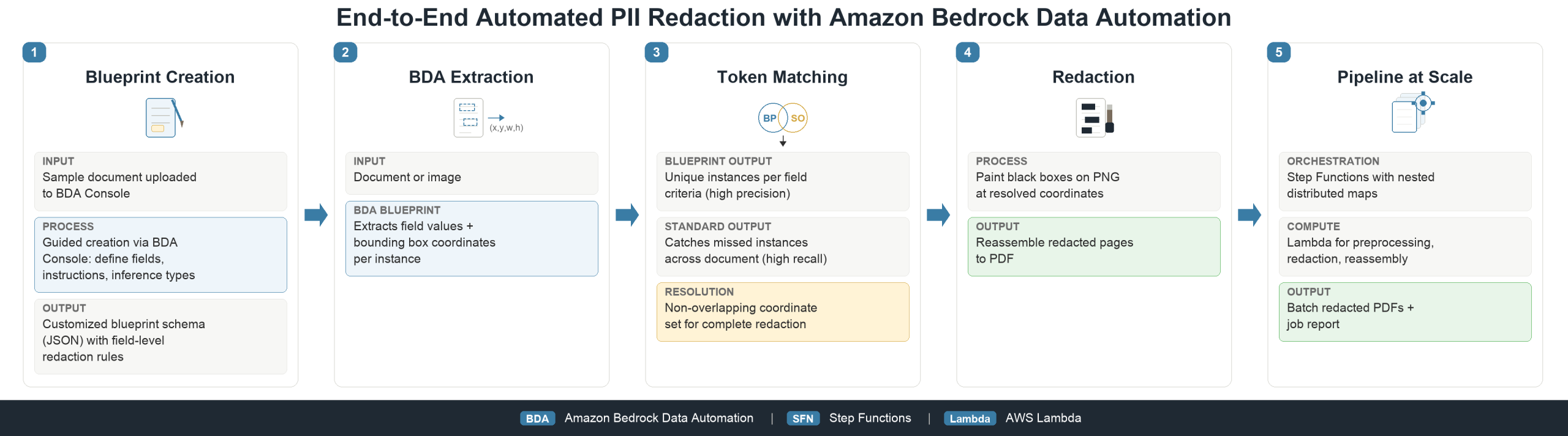
Organizations that process thousands of scanned documents daily, including medical forms, insurance claims, and financial records, face a recurring compliance need: personally identifiable information (PII) redaction before documents are shared with third parties or processed downstream. Manual redaction doesn’t scale: It consumes staff hours, introduces human error, and creates compliance exposure. Redaction is also a … Read more

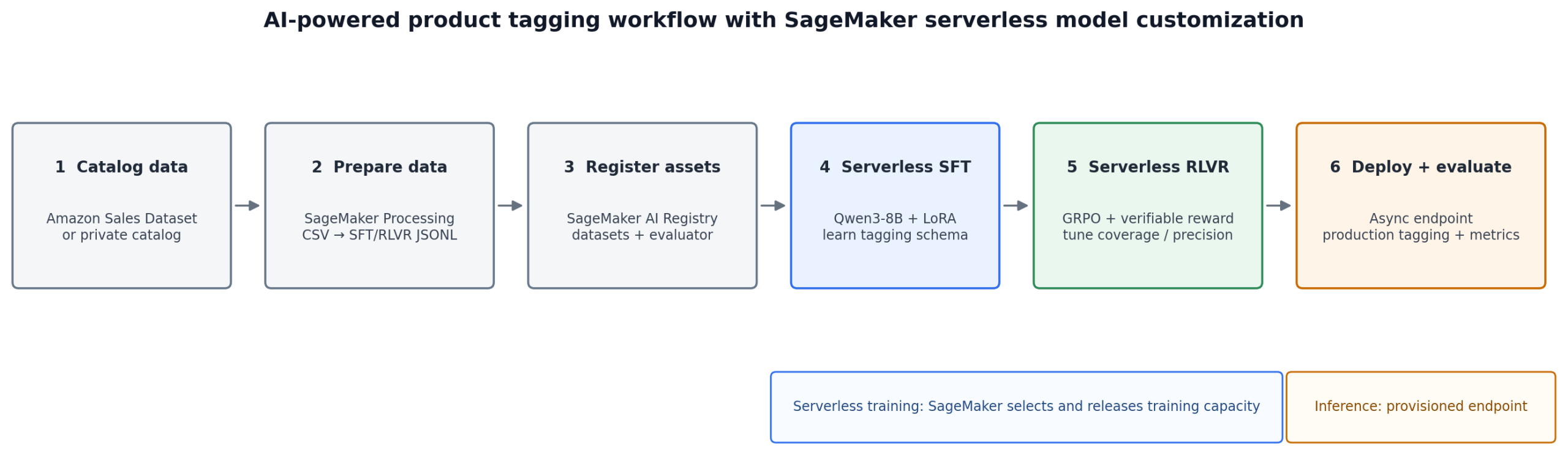
Build an AI-powered product tagging system with Amazon SageMaker serverless model customization

Retail catalogs rarely arrive as clean, structured attributes. Product names, descriptions, and category paths come from many sources and change continuously. Search, recommendations, and catalog navigation depend on consistent tags, but manually applying those tags across thousands of stock keeping units (SKUs) is slow and difficult to keep consistent. A general-purpose frontier model can generate … Read more

Abnormal AI: Amazon Bedrock AgentCore for agentic email security at scale

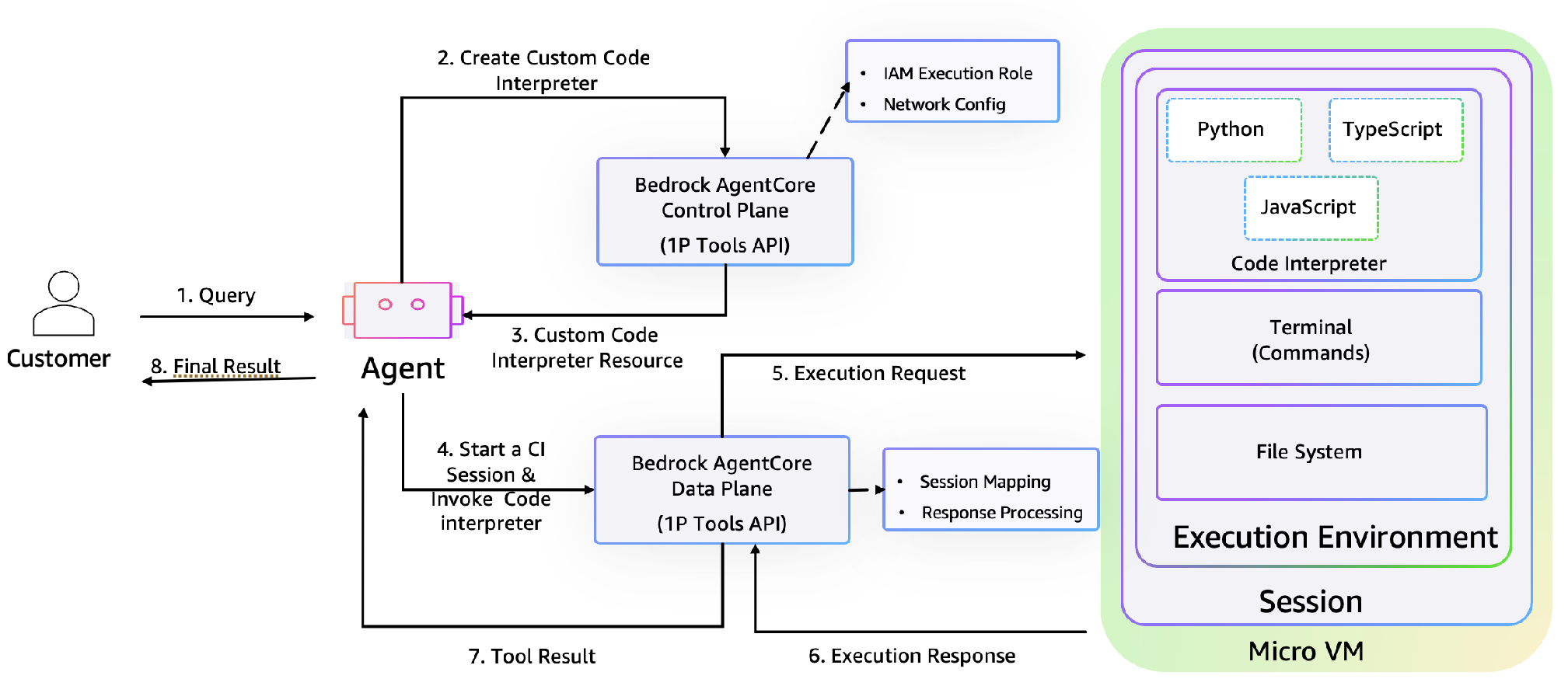
AI agents now run in production at a scale of billions of operations a day, and a recurring architectural pattern has surfaced: agents need a compute scratch pad. Not only for coding tasks, but for data aggregation, analysis, verification, and any workflow where semantic reasoning alone isn’t enough. Abnormal AI, a behavioral security service that … Read more