Table of Links
A: Missing Proofs for Sections 2, 3
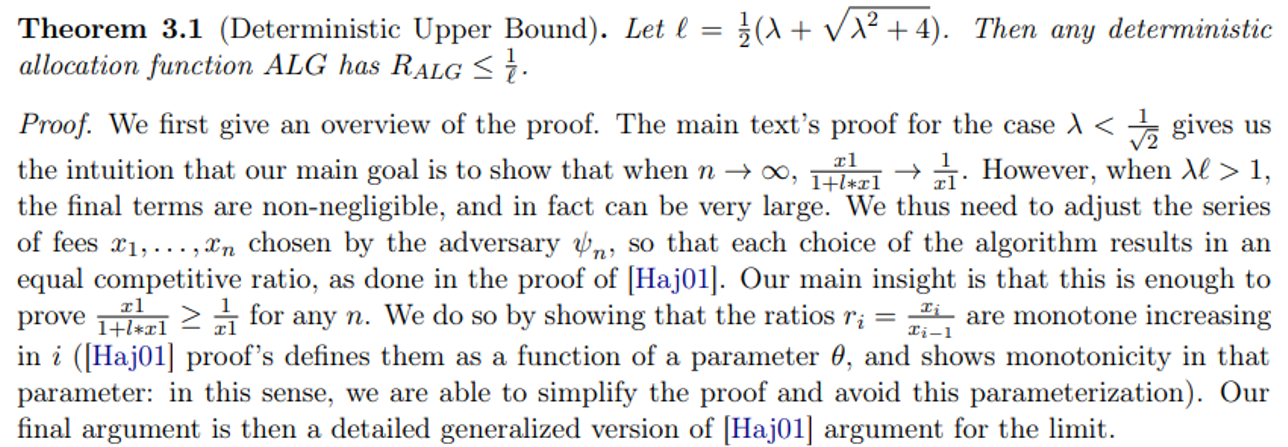
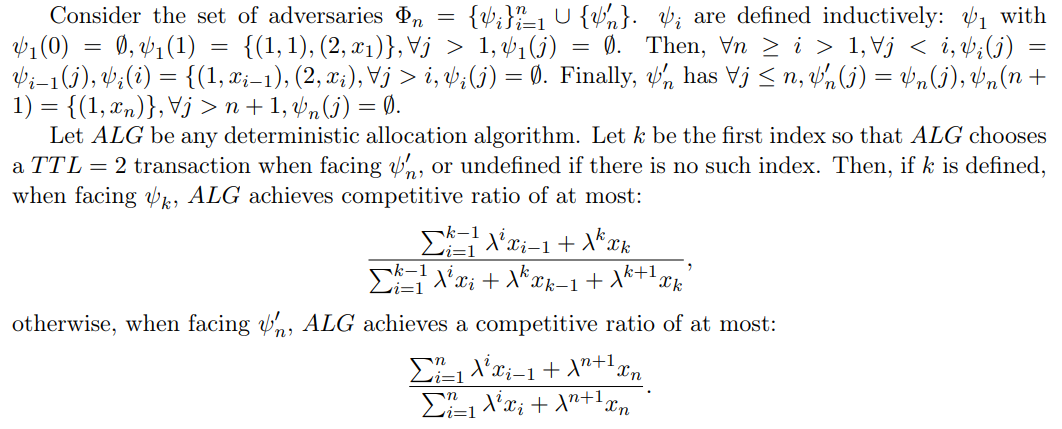
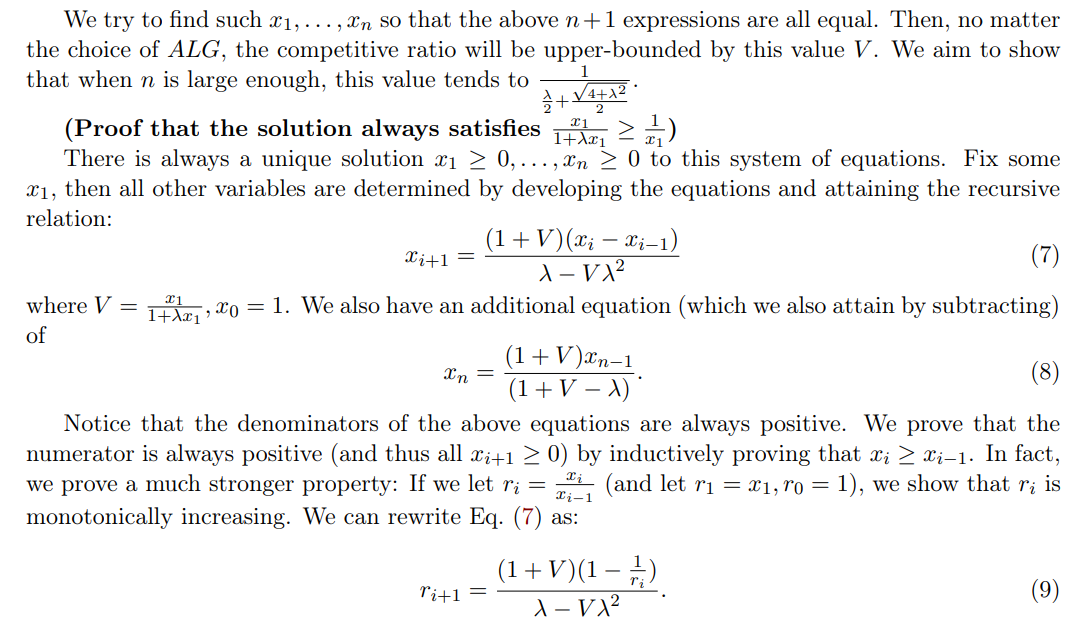

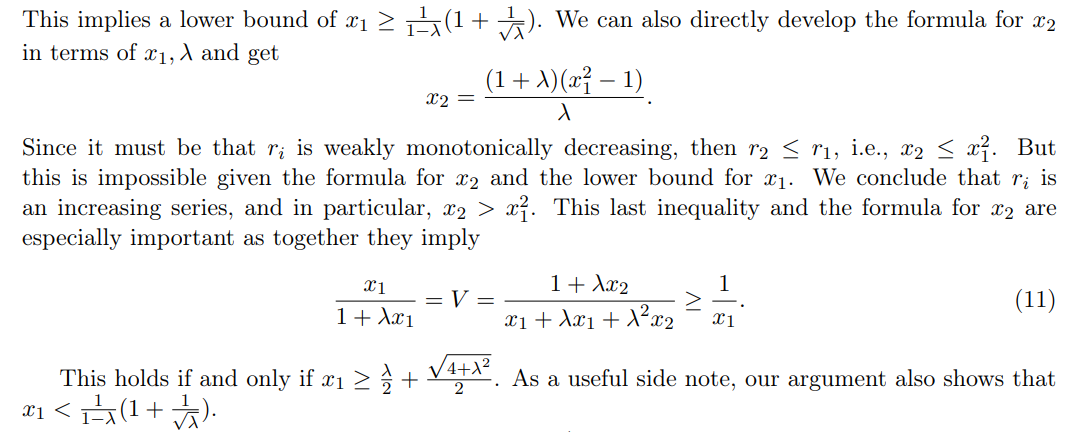
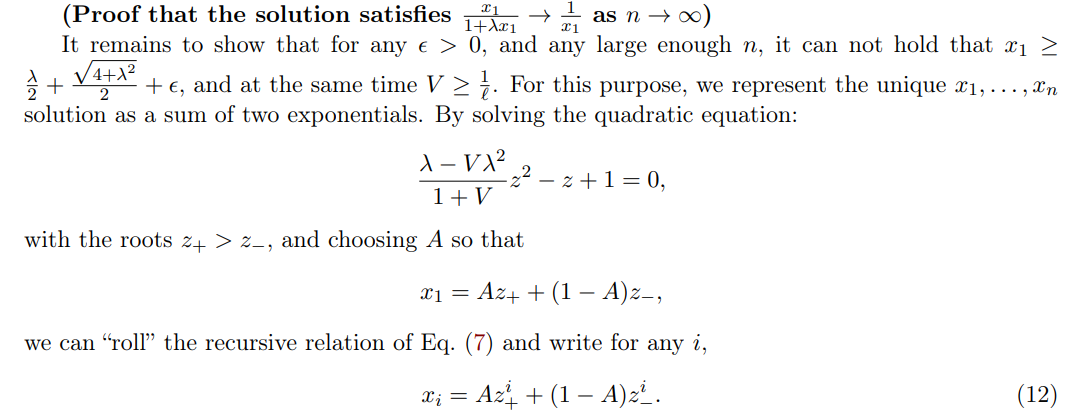
We now note that a few facts that hold true for any n when x1 ≥ ℓ + ϵ:
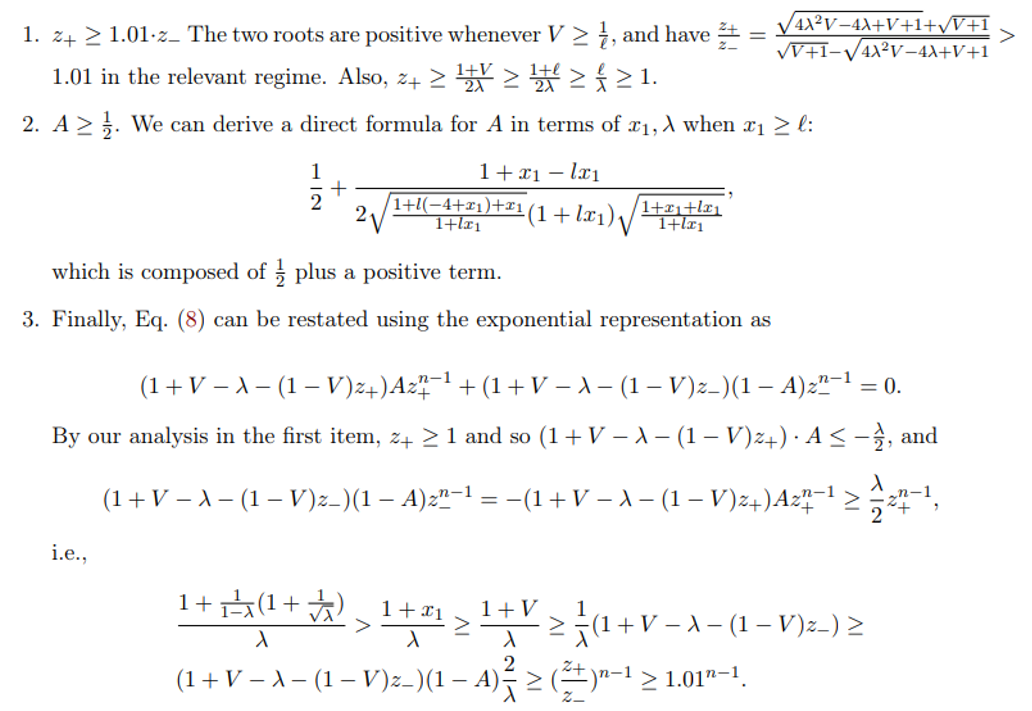
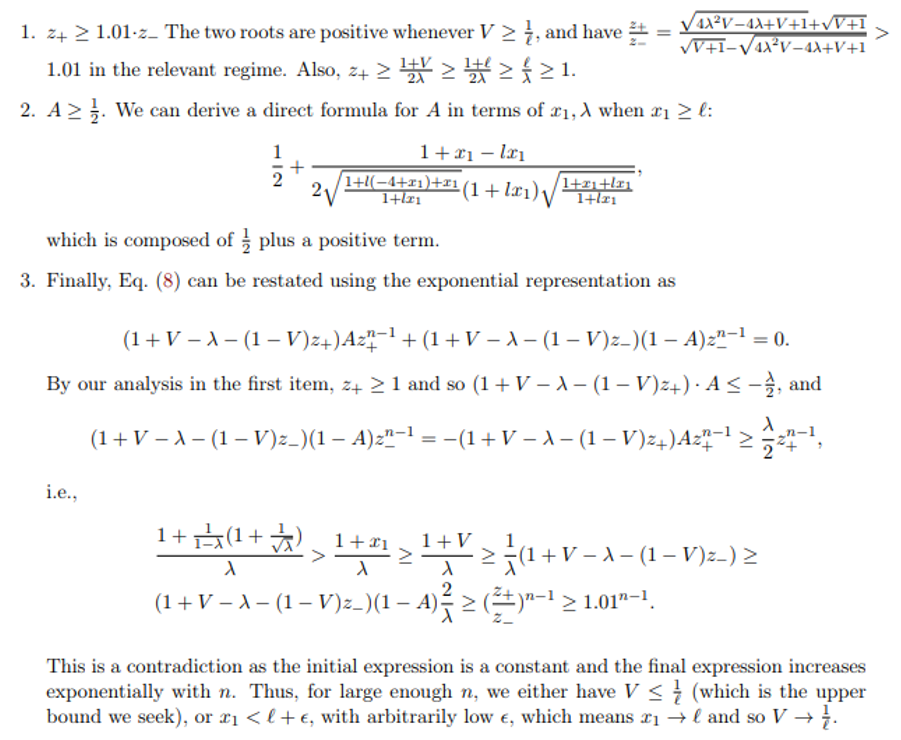
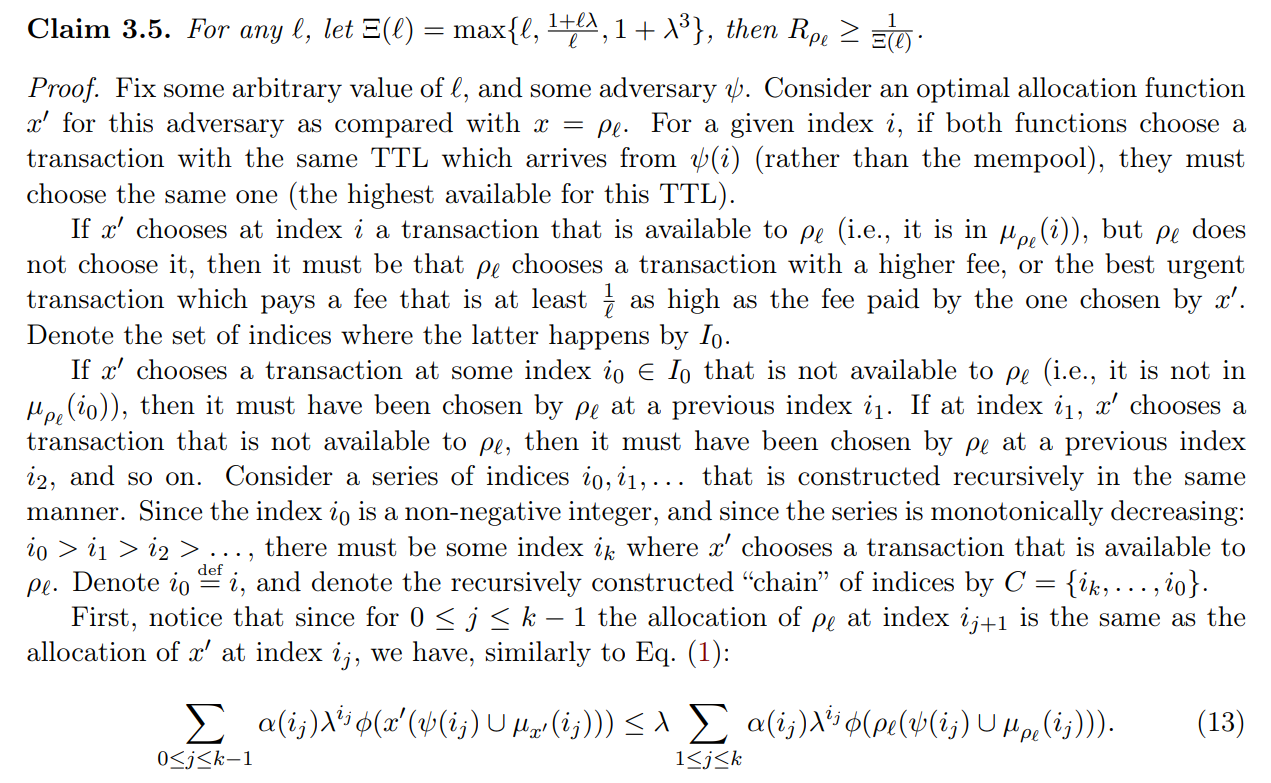
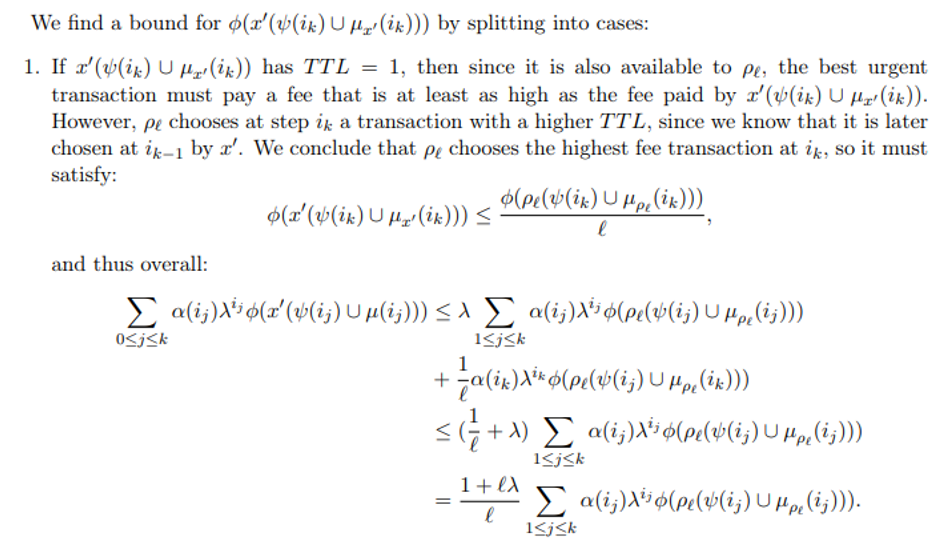
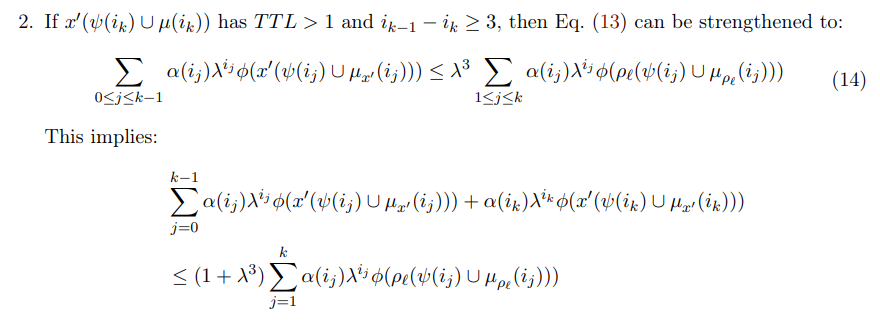
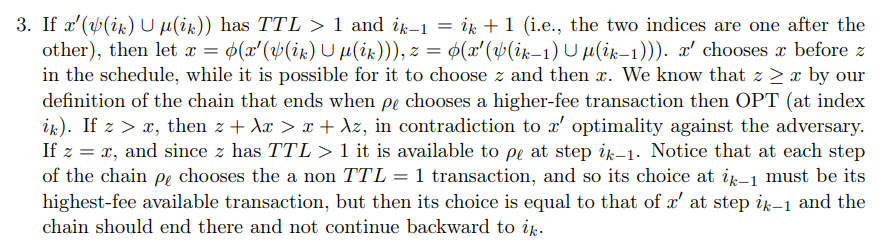

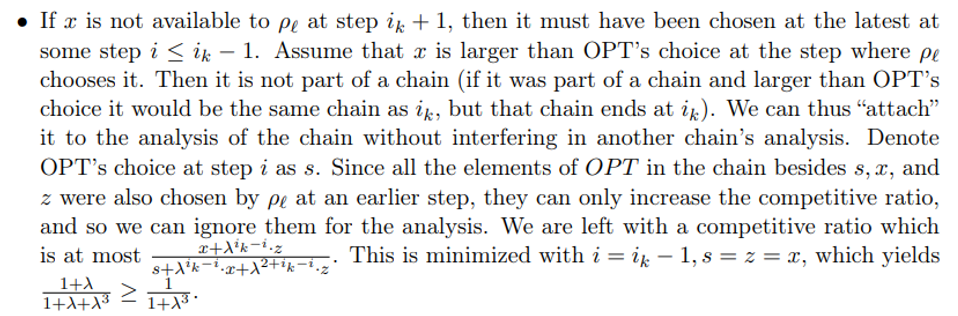
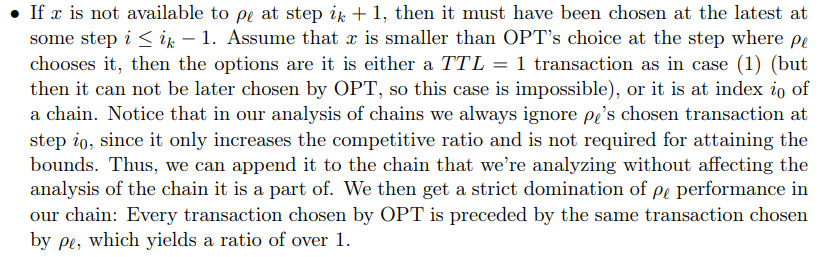
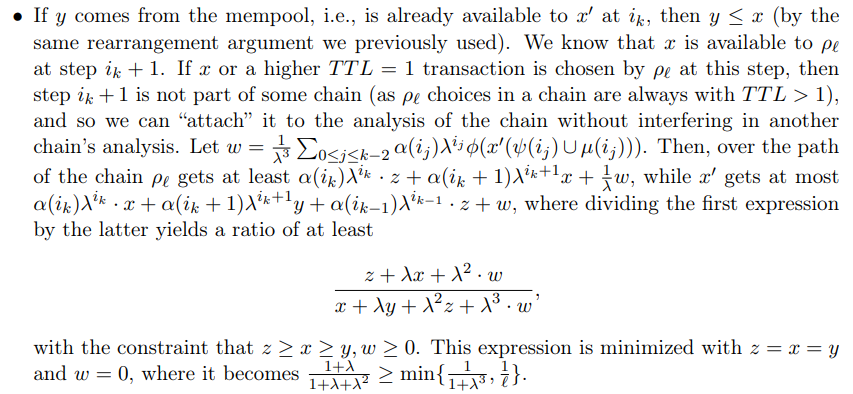
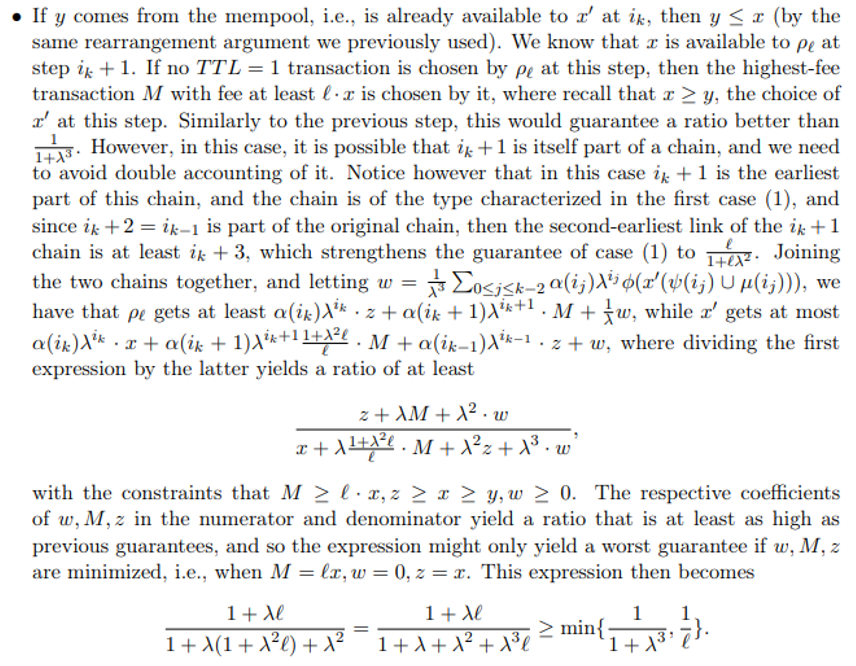
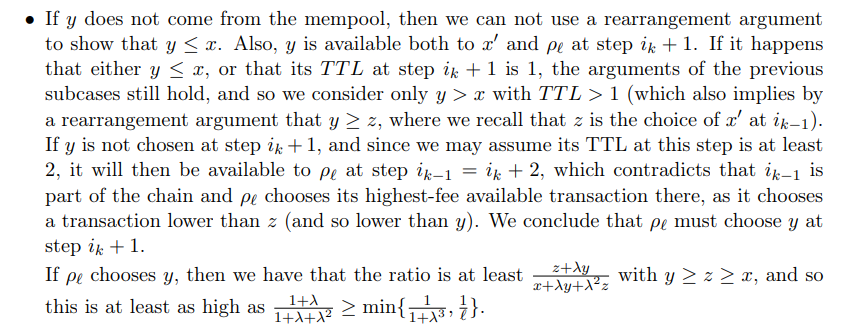
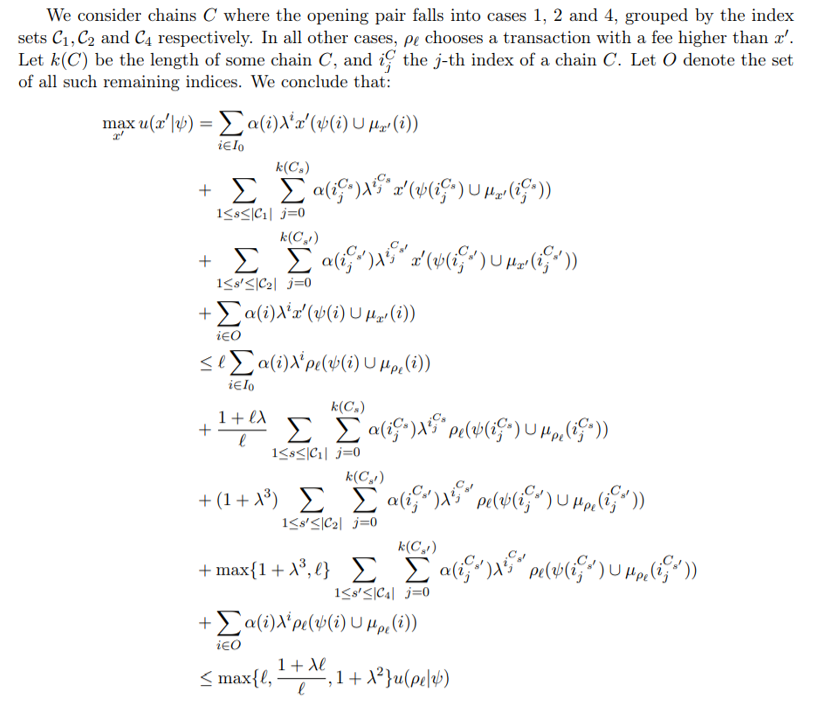
We separate to several subcases:
B Missing Proofs for Section 4
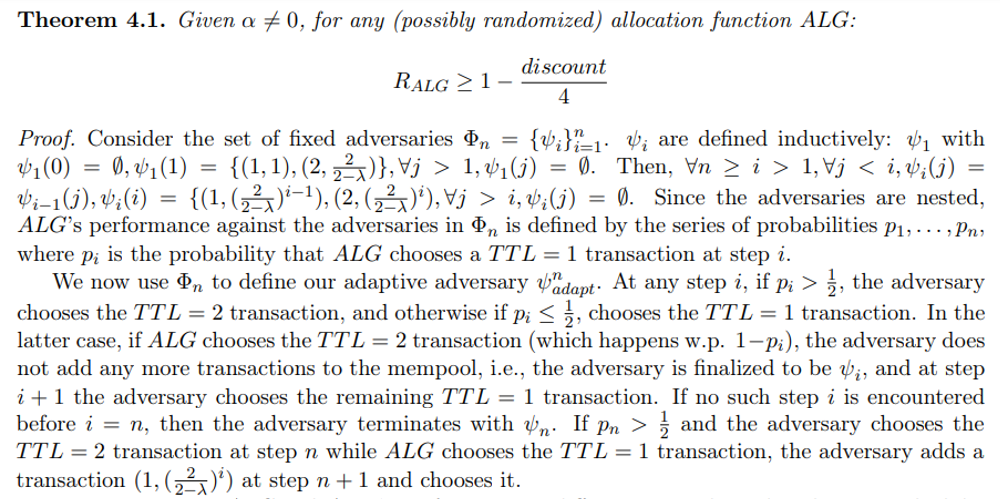
We now compare ALG and ADV ’s performance in different steps along the adversary schedule, separating the steps before n and the last two steps.
Step i
ALG expected performance:
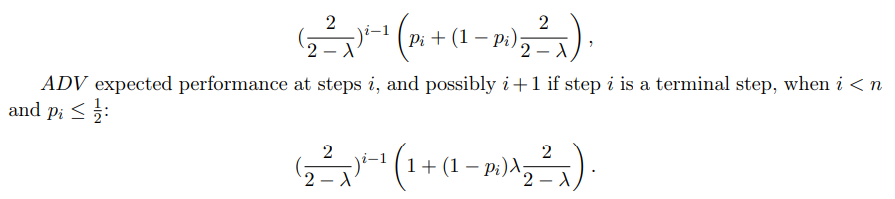
Notice that this amortization of considering the i + 1 is only relevant for ADV, as ALG in such case necessarily has no transactions remaining to choose from at step i + 1.
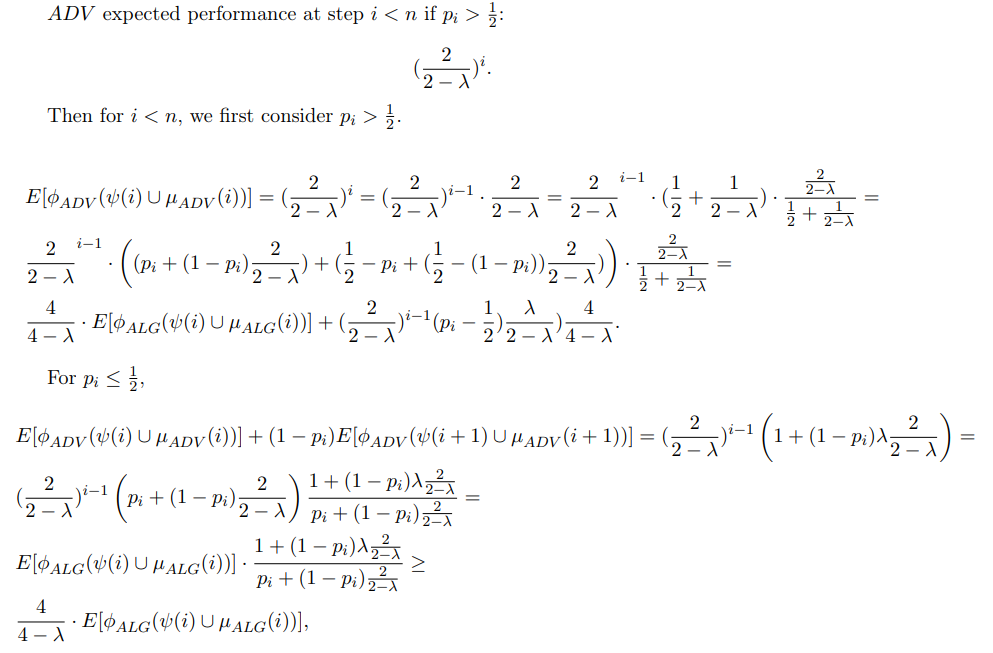
where the last transition is since for any 0 ≤ λ ≤ 1, the expression
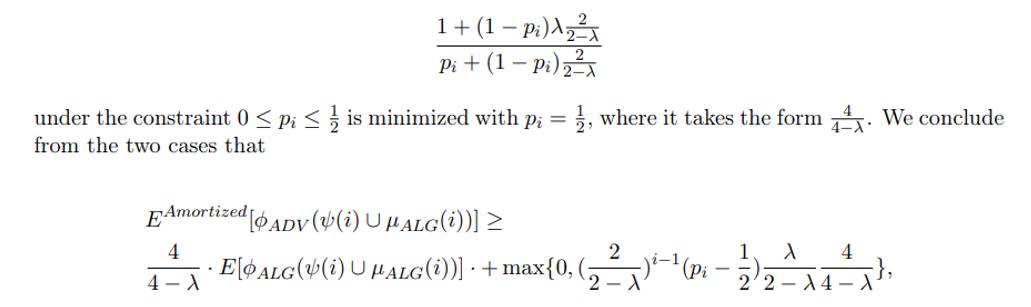
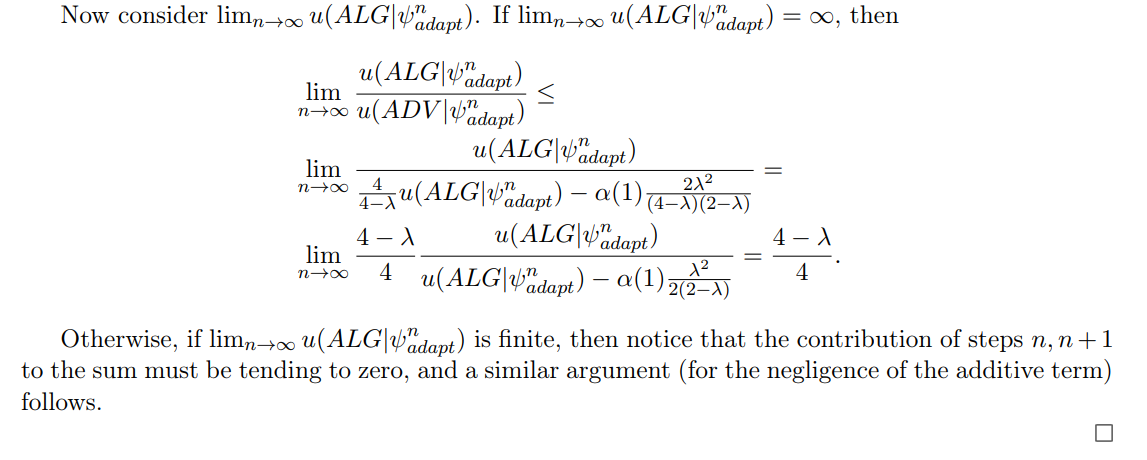
We now move on to analyze steps n, n + 1.
ALG expected performance at step n, n + 1:
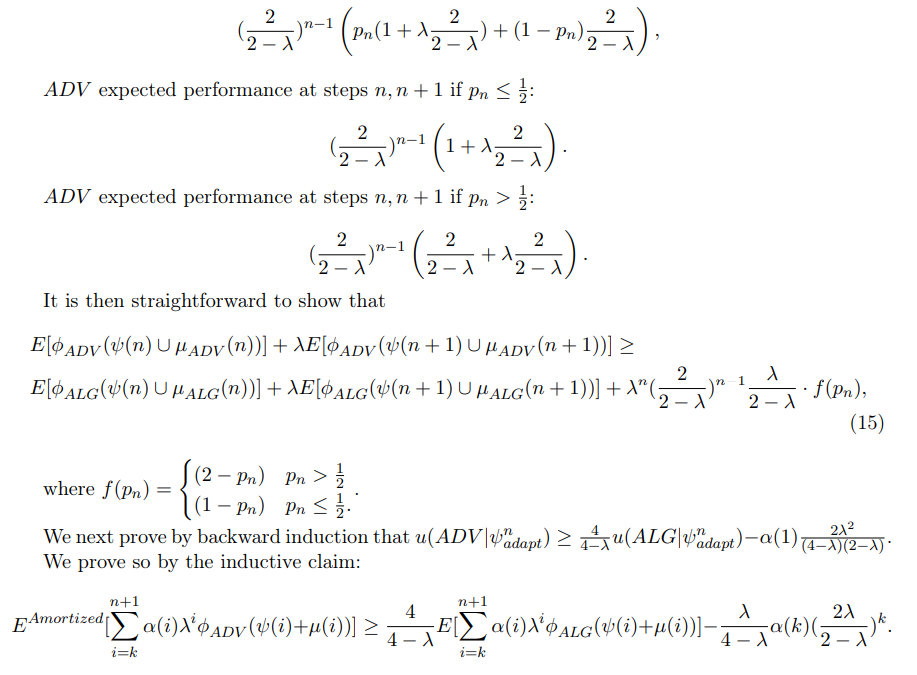
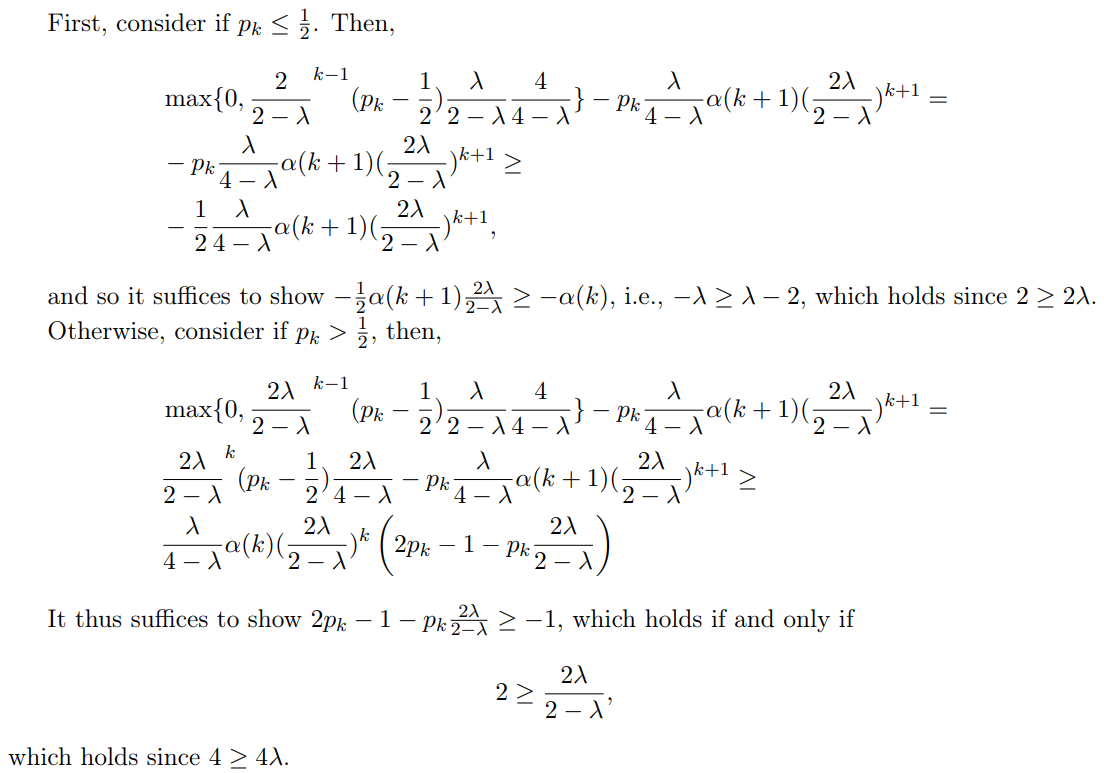
As the base case, consider k = n. Then,
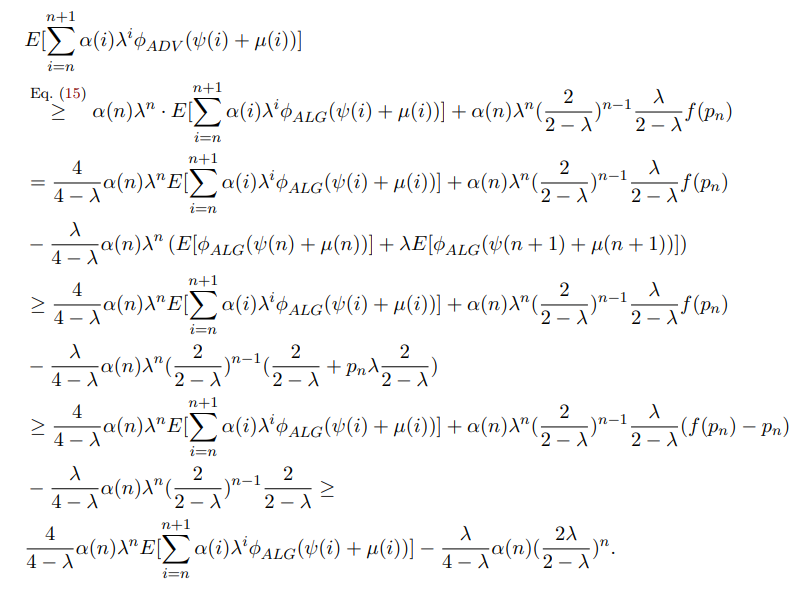
For the inductive step,
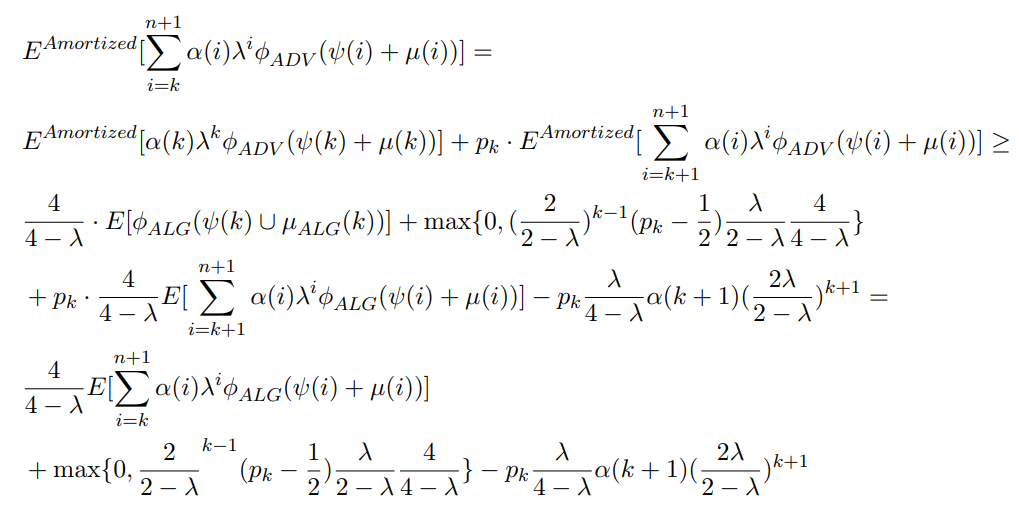
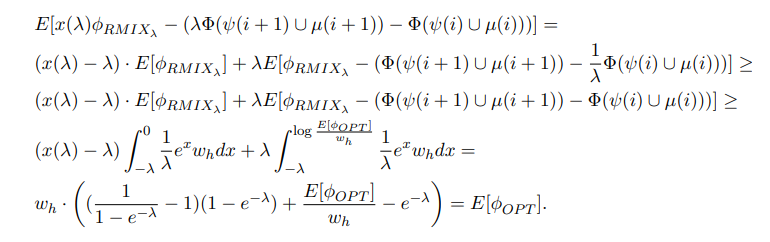
We thus need to show that

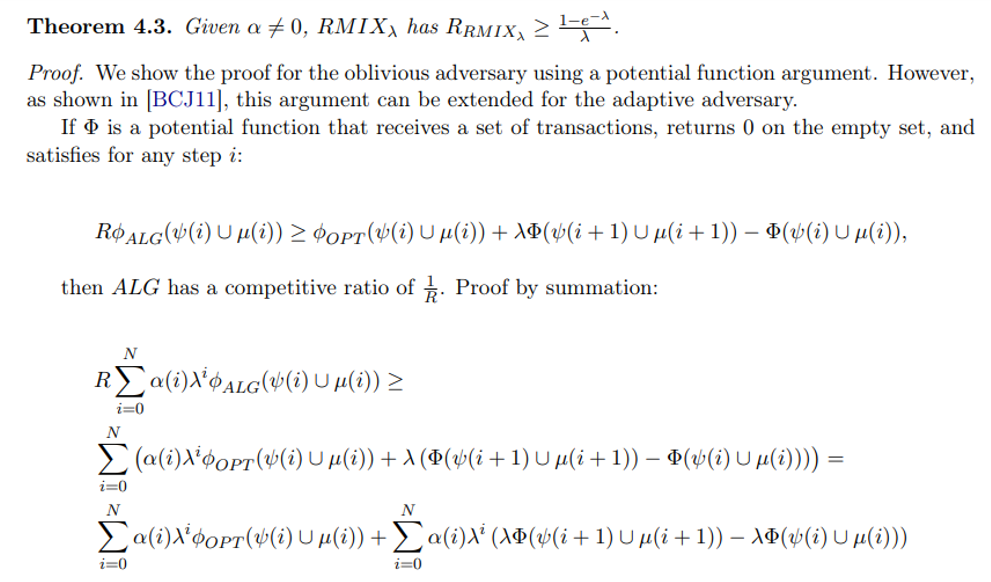
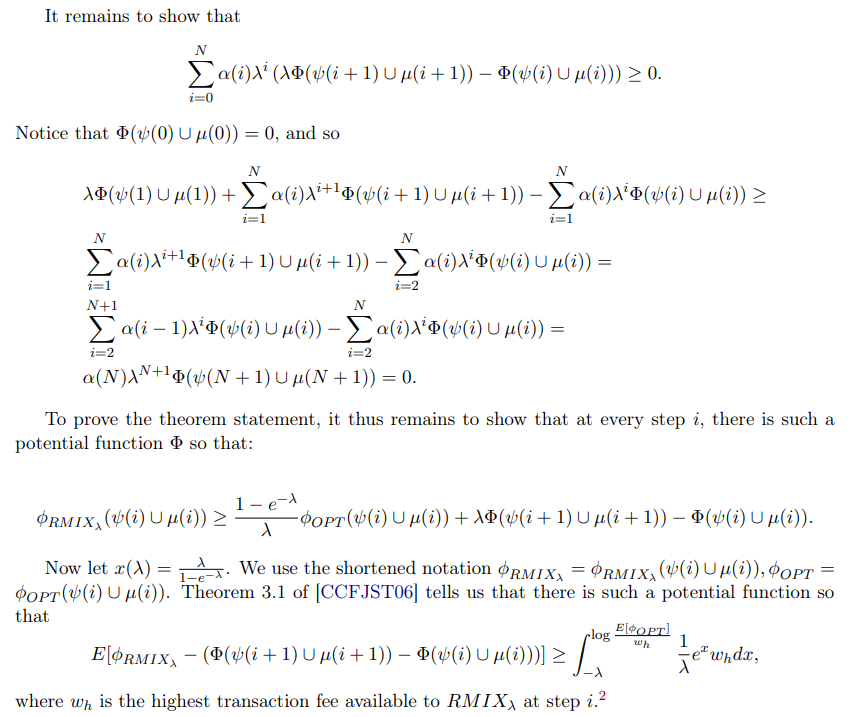
With this potential function, we can thus write at step i,
C Glossary
A summary of all symbols and acronyms used in the paper.
C.1 Symbols
ψ Transaction schedule function.
x Allocation function.
B Predefined maximal block-size, in bytes.
λ Miner discount factor.
ϕ Transaction fee of some transaction, in tokens.
T Miner planning horizon.
ℓ Immediacy ratio for our non-myopic allocation rule.
µ TTL of past transactions.
α Miner’s relative mining power, as a fraction. u Miner revenue.
t TTL of a transaction.
tx A transaction.
C.2 Acronyms
mempool memory pool
PoS Proof-of-Stake
PoW Proof-of-Work
QoS quality of service
TFM transaction fee mechanism
TTL time to live
:::info
Authors:
(1) Yotam Gafni, Weizmann Institute (yotam.gafni@gmail.com);
(2) Aviv Yaish, The Hebrew University, Jerusalem (aviv.yaish@mail.huji.ac.il).
:::
:::info
This paper is available on arxiv under CC BY 4.0 DEED license.
:::
[2] The argument of [CCFJST06] is done by showing conditions that hold for any fixed x ∈ [−1, 0], and so they hold for any fixed x ∈ [−λ, 0] as well.