Mars Security Launches Real-Time Intel-to-Detection Engine

New York, NY, United States, September 8th, 2026/CyberNewswire/–Mars Security, the autonomous threat hunting and detection engineering platform founded by offensive security veterans, today announced Real-Time Intel-Based Detection, a capability that turns newly published threat intelligence into validated, ready-to-deploy detection rules within minutes of release. Built by former offensive operators, the new capability converts advisories from … Read more

RavenDB Launches Quill to Bring Production AI Agents to Enterprise SQL Systems,No Migration Required

Hadera, Israel, September 8th, 2026/TechnologyWire/–RavenDB, a NoSQL document database used by more than 12,000 customers, today announced the launch of its new product, Quill, a context layer for SQL databases that makes them ready for production AI agents without migrating the system of record or architecting a custom AI stack. With AI becoming a board-level … Read more

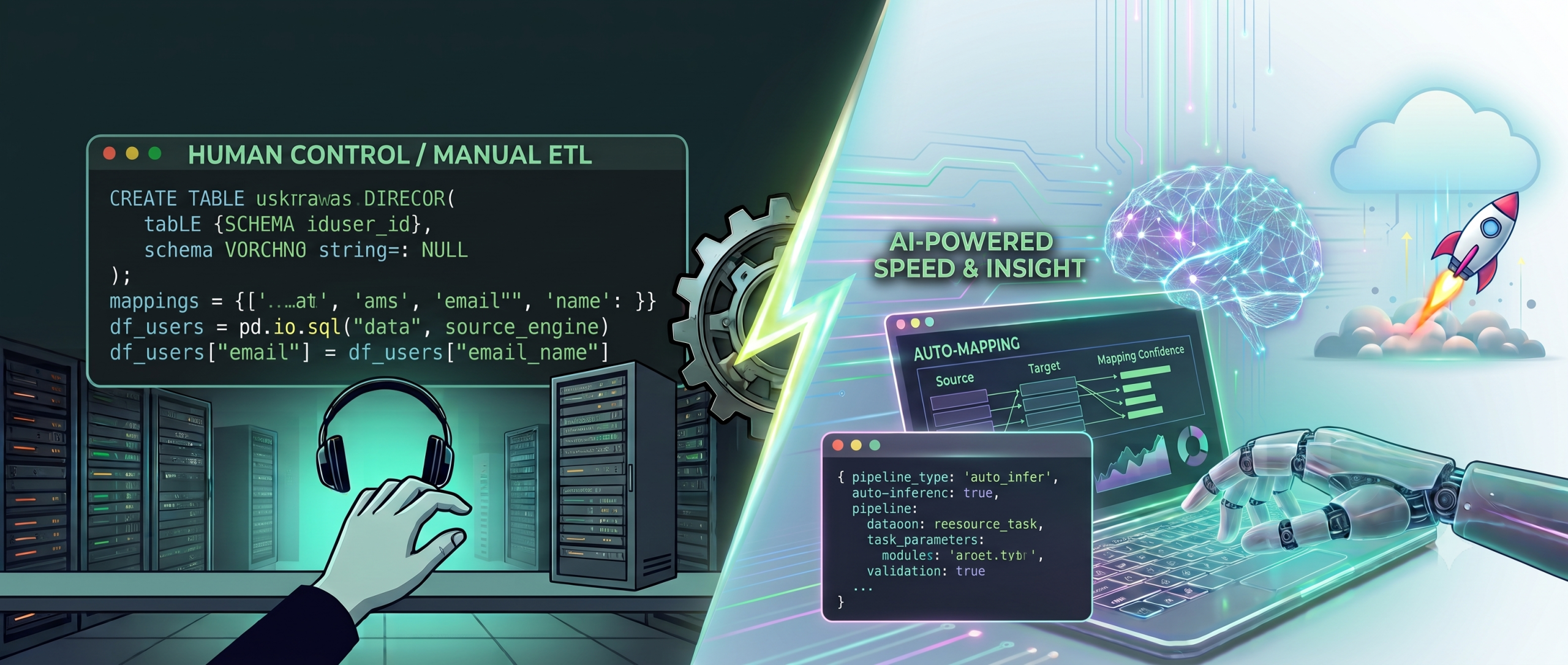
Modernizing Threat Monitoring and Detection Engineering for Ultimate MTTR Reduction

Threat monitoring serves as the vital connective tissue of modern security operations. It ensures that every function from triage to response operates effectively. To meet evolving threat challenges, SOC teams and MSSPs must transition from simple log collection to a proactive, intelligence-driven framework. ANY.RUN’s Threat Intelligence provides the essential solutions to power this transformation across the entire operational cycle. Key Takeaways … Read more

Can chess moves be verified on-chain? — The answer is zero-knowledge proofs

TL;DR: Zero-knowledge proofs let you prove a chess move was legal, or that a game ended in checkmate, without revealing the moves themselves. A small cluster of hackathon projects and research efforts — zkautochess, a Mina-based build called ZeroKing, a play-by-email “zkChess” referee, and general-purpose frameworks like ZkNoid — have actually built versions of this. … Read more

Content Relevance : The Invisible Product Series

Seven Essays on Ranking, Relevance, and the Future of Discovery Series thesis Every social or entertainment product makes a promise about what deserves a person’s attention. Ranking is where that promise becomes executable. This series argues that relevance is not simply the probability of a click, view, or like. It is a product judgment about … Read more

Corkboards, Beat Sheets, and Reverse Outlines: Choosing the Right Structure for AI Filmmaking

The corkboard method, one scene per index card, physically rearranged until the structure holds, is the outlining method most AI filmmakers should default to, because it’s the only one of the three standard options that lets you catch a structural problem before you’ve paid for it in generations. A beat sheet tells you what has … Read more

Where Clinical Research Platforms Break First: eCRFs, Integrations, Queries, and Database Lock

A platform that runs one study at two sites almost always looks fine. The forms load, the data flows, nobody escalates anything. Add a third site, a fourth country, and a protocol amendment mid-trial, and the same system starts throwing errors nobody scoped for. The real question isn’t whether a clinical research platform will strain … Read more

Building Multi-Platform Data Apps With Modular Runtime Architecture (Part 1)

The days of manually entering data, staring at static reports, and waiting on data scientists to run analyses are behind us. Enterprises now demand applications that combine data and functionality directly in the flow of work, making insights immediately actionable. Enter “Data apps”.Let’s explore what data apps are, why they matter, and how a modular … Read more

Meet Bitunix: HackerNoon Company of the Week

Hey Hackers, Welcome to another HackerNoon Company of the Week feature. Every week, we highlight a standout company from our Tech Company Database that’s making waves in the global tech ecosystem and the lives of its users. Our database features everything from S&P giants to rising stars in the Startup scene. This week, we’re excited to put a spotlight … Read more

I Bought a $30 Toy Drone and Started Reverse-Engineering It Into an Autonomous Machine (Part 1)

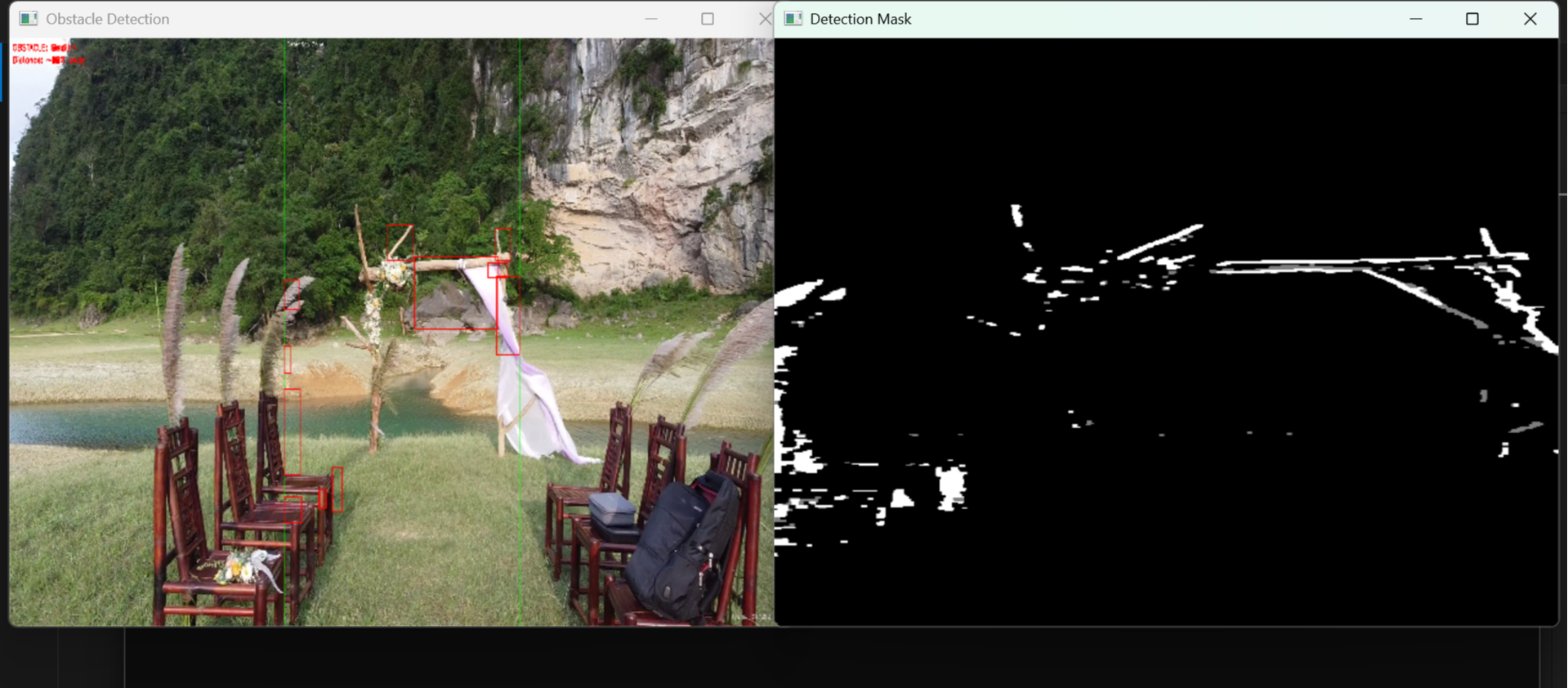
Autonomous vehicles are the future, and they’re not just cars. Boats, trucks, aircraft, and everything is quietly going driverless. As an AI researcher, the corner of that world I care about most is fully autonomous, AI-integrated unmanned systems, including UAVs and UGVs. I’ve spent the last 24 months researching, breaking, and prototyping AI-driven drones. This … Read more

Six WebRTC getStats Mistakes to Avoid

A broken monitoring dashboard is relatively easy to catch. A dashboard showing believable but incorrect numbers is much more dangerous. That is one of the traps with WebRTC’s getStats() API. In my work on real-time communication systems, I have used WebRTC statistics to investigate connection quality, recovery behavior, and production reliability. One recurring problem is … Read more

Why Working Automations Still Create Broken Customer Journeys

Every Automation Worked. The Journey Did Not During a lifecycle audit, I found a system in which nothing appeared to be broken. The abandoned cart emails were triggered correctly. SMS messages were being delivered. Promotional campaigns went out on schedule, and the post-purchase flow started after an order. Yet the customer experience told a different … Read more

AI Agents May Be the Workload DBOS Was Waiting For

The practical path for DBOS may not be replacing Linux. It may be becoming the durable runtime inside the isolated environments we are already building for AI agents. I have been thinking about Michael Stonebraker’s DBOS idea again because AI agents make an old systems argument feel unexpectedly current. The original DBOS proposal from 2020 … Read more

AI Personalization and the Illusion of Consumer Choice

The most successful piece of digital marketing infrastructure ever created may be a brightly coloured button labelled “Accept All”. It asks no difficult questions. It does not explain what the system will infer about you six months from now. It certainly does not mention that the product may use your hesitation, location, purchases, abandoned searches … Read more

I Built a Tiny GPT That Speaks Sanskrit in a Weekend — Here’s What Broke

A from-scratch transformer, ~250 lines of Python, and one Unicode lesson that humbled me. GitHub repository link I’ve understood transformers “at a high level” for a while now. Attention, embeddings, the usual diagram with the arrows. But I’d never built one. And there’s a specific kind of knowledge you only get from typing out the … Read more