When your brain works differently, AI isn’t a luxury—it’s accessibility

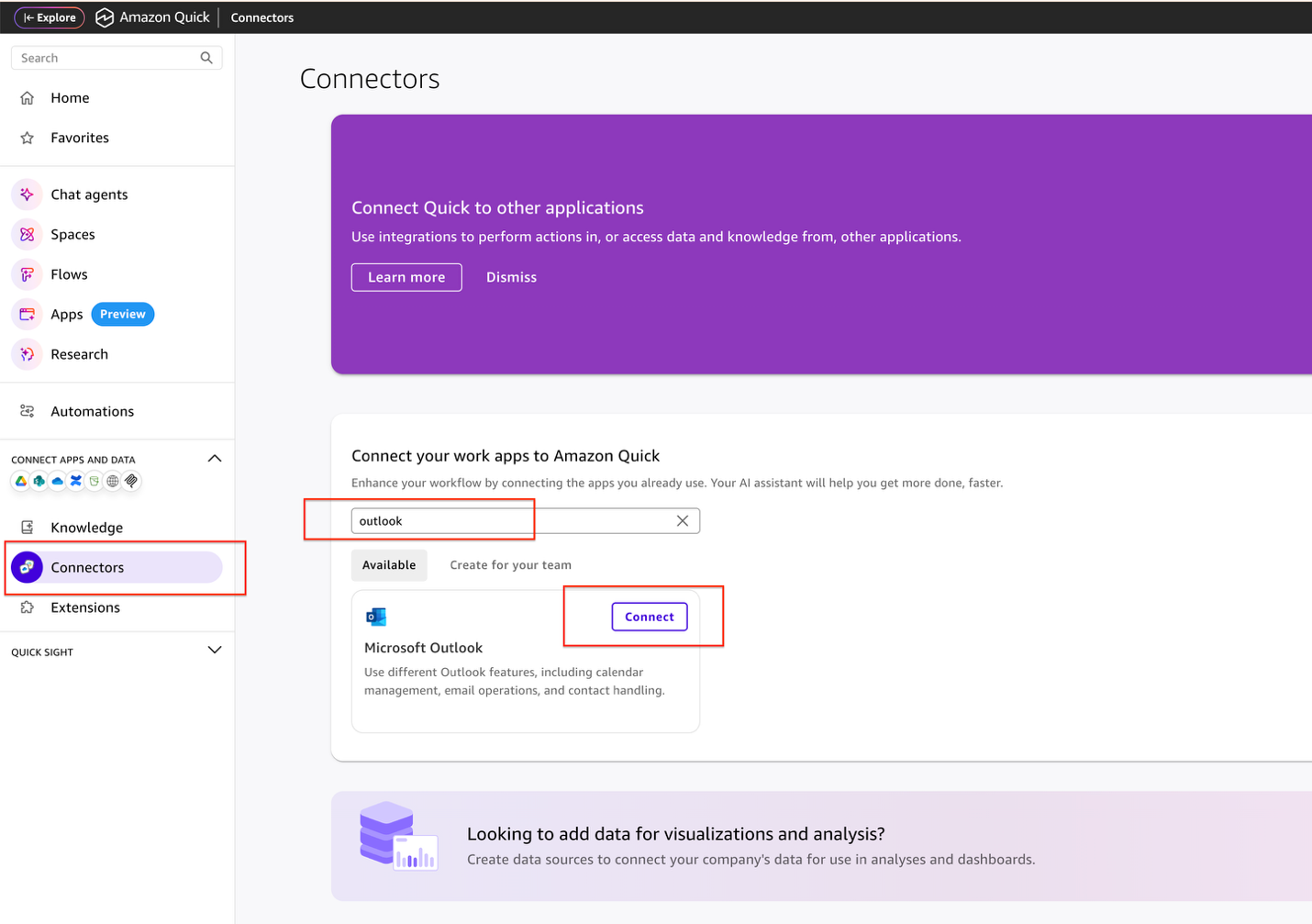
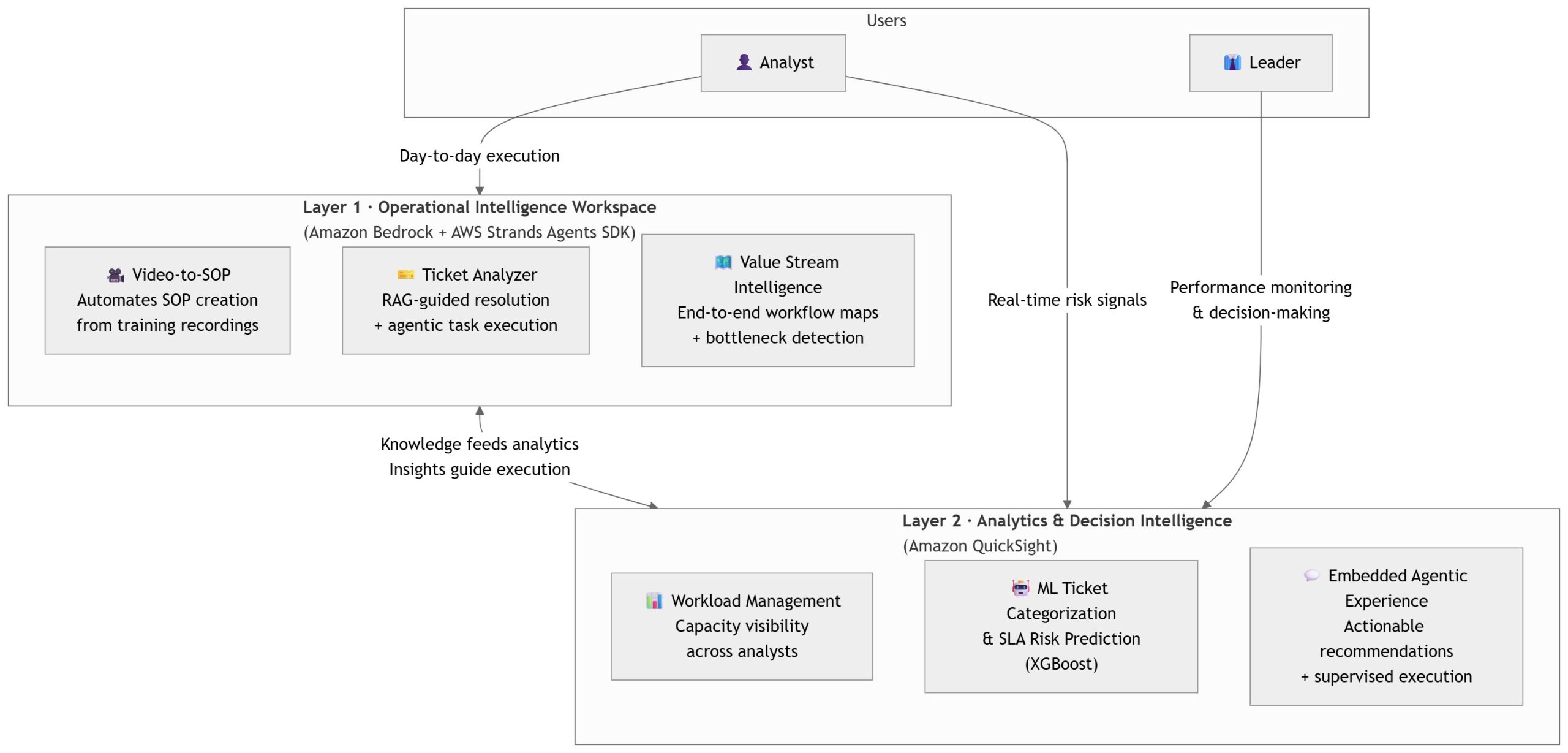
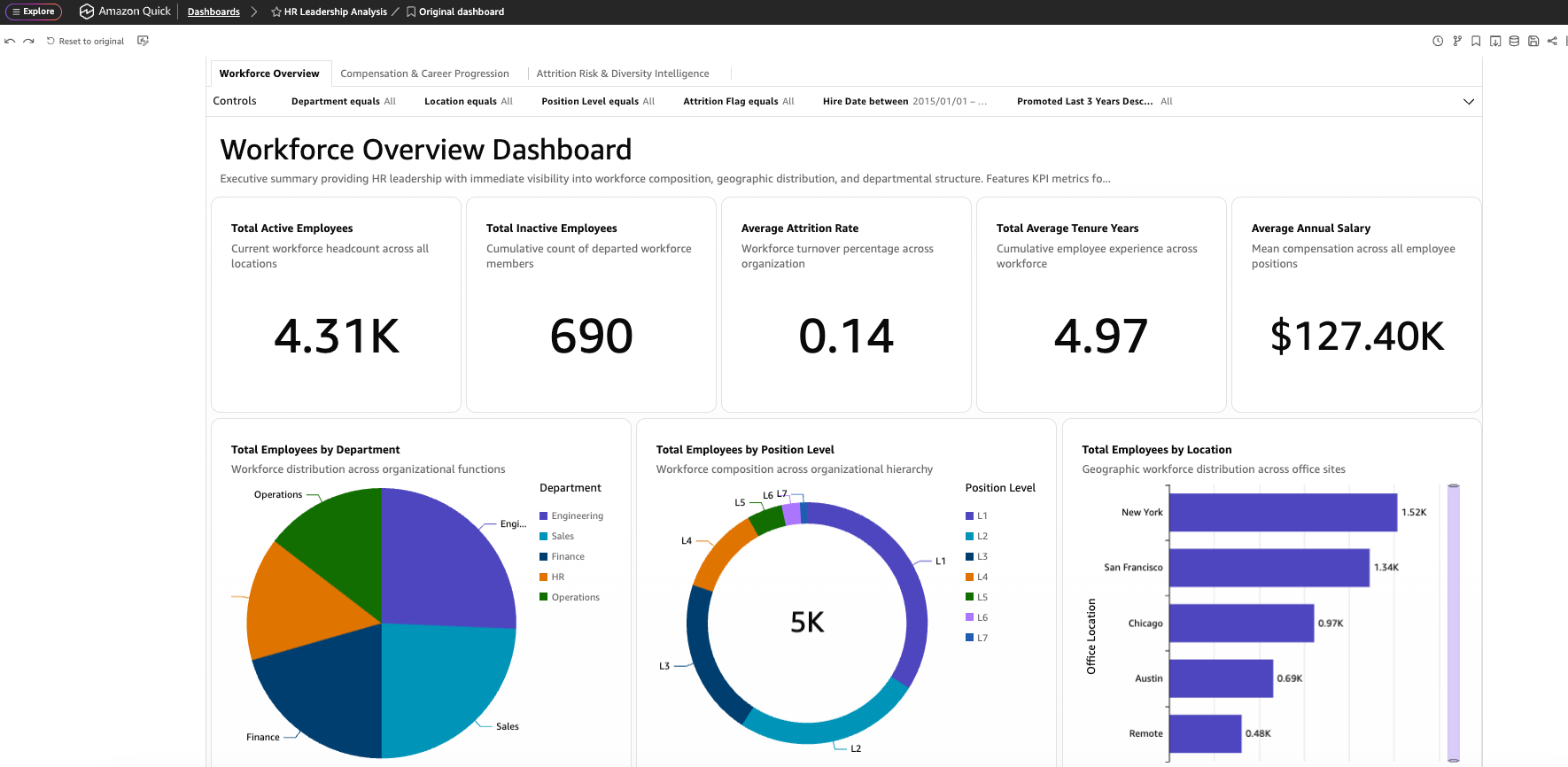
AI as accessibility: what happened when a neurodivergent solutions architect stopped fighting his brain and started building. In this post, I share how AI serves as an accessibility tool for neurodivergent professionals. The system is built on Amazon Quick on your desktop, an AI-powered desktop and web assistant that compensates for executive function gaps every … Read more
Building an agentic AI solution at Bluesight with Amazon Bedrock

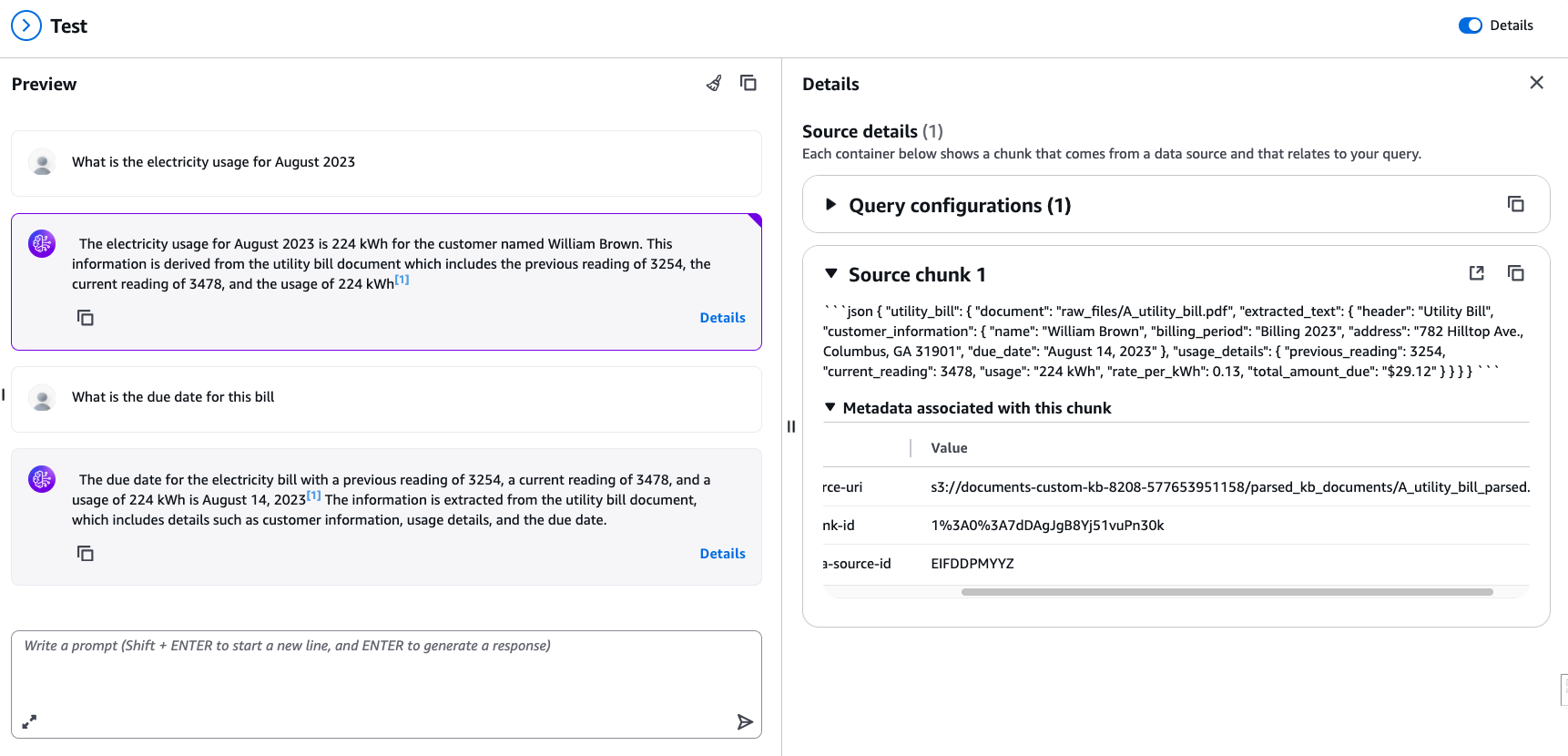
This post is co-written with Vijay Venkatesh, CTO at Bluesight. If you build software for hospitals, you know that compliance work scales poorly. Hospitals managing 340B Drug Pricing Program compliance face a compounding data problem. Proving that a Group Purchasing Organization (GPO) purchased drug qualifies for an exception requires cross-referencing each purchase against several sources … Read more

Implement on-behalf-of token exchange for multi-tenant agents with Amazon Bedrock AgentCore Gateway

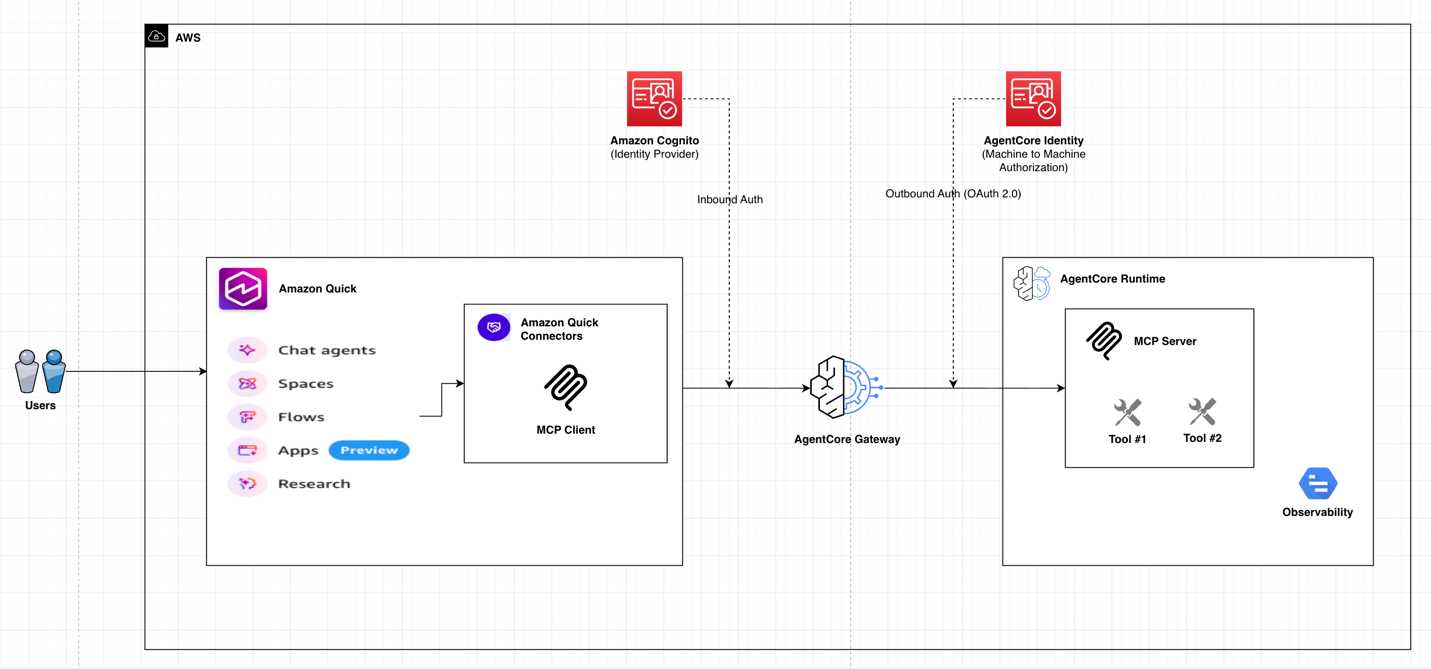
When you deploy generative AI agents into multi-tenant production architectures, you face a specific identity problem: when an agent calls a downstream API on behalf of a user, whose identity travels with the call? Running the call as the agent’s service identity collapses the audit trail, because every downstream system must trust the agent unconditionally. … Read more

Launching UI for generative AI inference recommendations in Amazon SageMaker AI

Deploying generative AI models to production requires finding the right combination of instance type, serving container with settings, and optimization strategy. This process typically requires a long iteration cycle of optimization and manual benchmarking. In April 2026, Amazon SageMaker AI launched this inference recommendations, so customers can programmatically get data-driven, production-ready configurations through APIs. This … Read more

Fine-tune NVIDIA Nemotron 3 models with Amazon SageMaker AI serverless model customization

Model customization transforms general-purpose AI models into specialized enterprise assets. By fine-tuning foundation models (FMs) on domain-specific data, businesses teach AI their unique workflows, terminology, and deep domain specialization, along with strict adherence to brand voice and fewer hallucinations. For enterprises, this is more than an optimization. It’s the creation of proprietary intellectual property. A … Read more

Real-time dental image verification with Amazon SageMaker AI at Henry Schein One

In dentistry, image quality determines whether a claim is paid or denied. Up to 20 percent insurance claims are initially denied, with missing or low-quality images among the leading causes. Yet quality assessment has traditionally been a manual, after-the-fact process. A clinician reviews an X-ray hours or days after capture, discovering problems only when a … Read more

Build a semantic layer for agentic AI on AWS with Stardog and Amazon Bedrock AgentCore

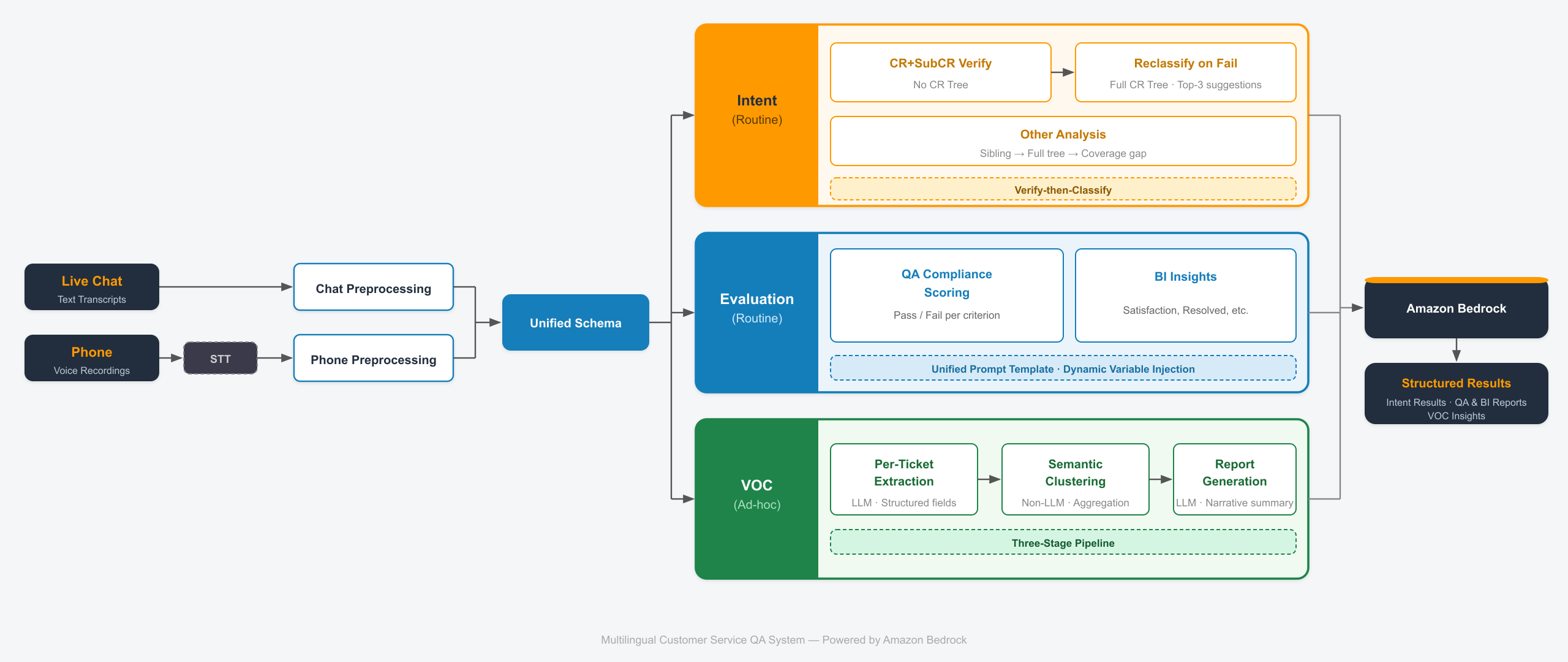
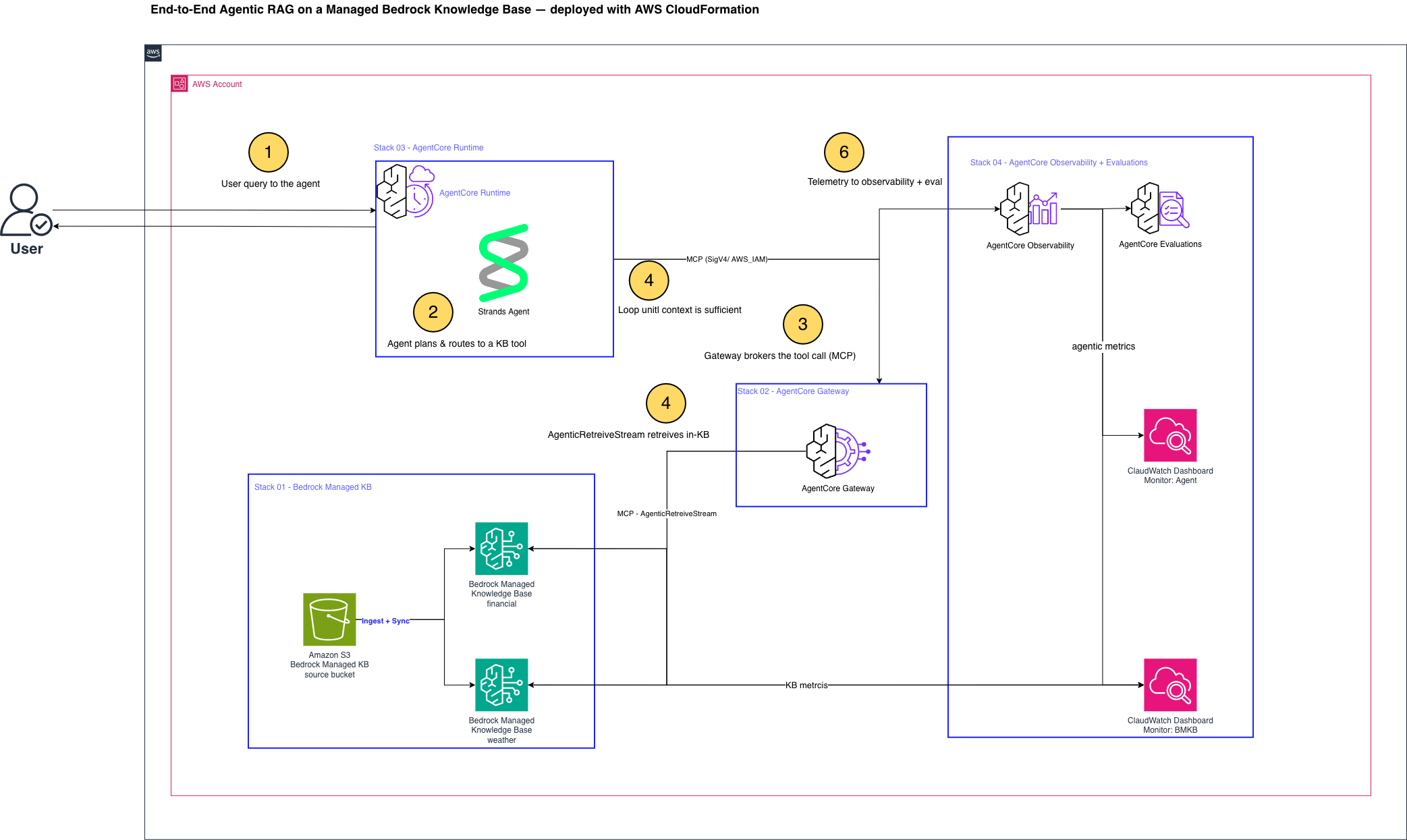
In this post we show how to build a semantic layer on AWS using Stardog’s Semantic AI Application over Amazon Aurora and Amazon Redshift, and how to run a Strands Agents agent on Amazon Bedrock AgentCore that queries the layer to answer customer 360 questions across both sources without extract, transform, and load (ETL). The … Read more

Scaling agentic workflows with native case management in Amazon Quick Automate

An artificial intelligence (AI) agent can process an invoice, help adjudicate a claim, or classify a support ticket in a proof of concept. But running these agents across thousands or even millions of work items in a production environment introduces an entirely different set of challenges. At enterprise scale, success depends on much more than … Read more

Deploying quantized models on Amazon SageMaker AI with Unsloth

This post was co-written with Daniel Han and Michael Han from Unsloth. Deploying large foundation models (FMs) stored at their original 16-bit floating-point precision (BF16 or FP16) is expensive. They need large GPU instances, driving up serving costs, and slowing down iteration cycles. Quantization addresses this by reducing the numerical precision of a model’s weights … Read more

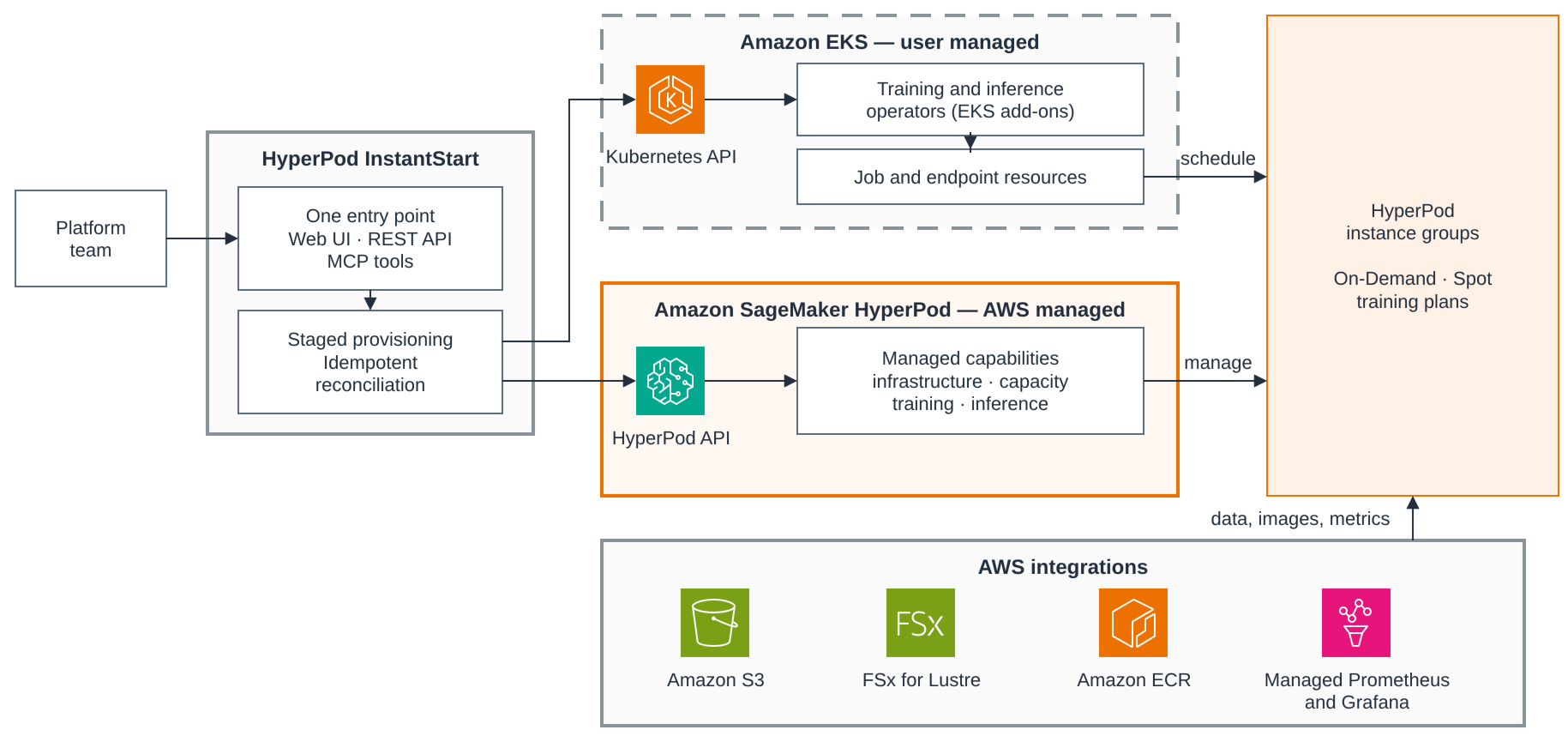
Enhancing enterprise inference on Amazon SageMaker HyperPod with data capture, Hugging Face, NVMe, and Route 53 integration

As enterprises scale their generative AI workloads, the demand for faster, more observable, and more flexible inference infrastructure continues to grow. Amazon SageMaker HyperPod is rising to meet that challenge with a set of new capabilities designed to streamline how organizations deploy and operate large models in production. Teams can now record inputs and outputs … Read more

Introducing Claude apps gateway for AWS

Enterprises deploying Claude Code and Claude Desktop across development teams need centralized control over access, cost, and policy. At scale, this is hard to manage: each developer needs an individual credential, settings must be distributed manually, and spend is difficult to track or cap. Without a centralized control point, governance is left to whatever tooling … Read more

Powering scientific discovery: BYOKG and GraphRAG for intelligent pharmaceutical research

In pharmaceutical research, scientists face a fundamental challenge: accessing and connecting the vast amount of scientific knowledge scattered across disparate systems. From published literature and internal lab notes to genomics databases, critical insights remain trapped in silos, making it difficult for researchers to form comprehensive connections and generate promising hypotheses. This fragmentation slows down the … Read more

Automatically sort and prioritize your mailboxes by using Amazon Bedrock

AI-powered email management can transform how organizations in the public sector handle constituent communications. By implementing intelligent email routing and prioritization systems, organizations can automatically classify and direct incoming messages based on urgency and departmental relevance. This technology is particularly useful in local government settings, where councillors receive diverse communications across multiple service areas. AI … Read more

Building and connecting a production-ready ecommerce MCP server using Amazon Bedrock AgentCore and Mistral AI Studio

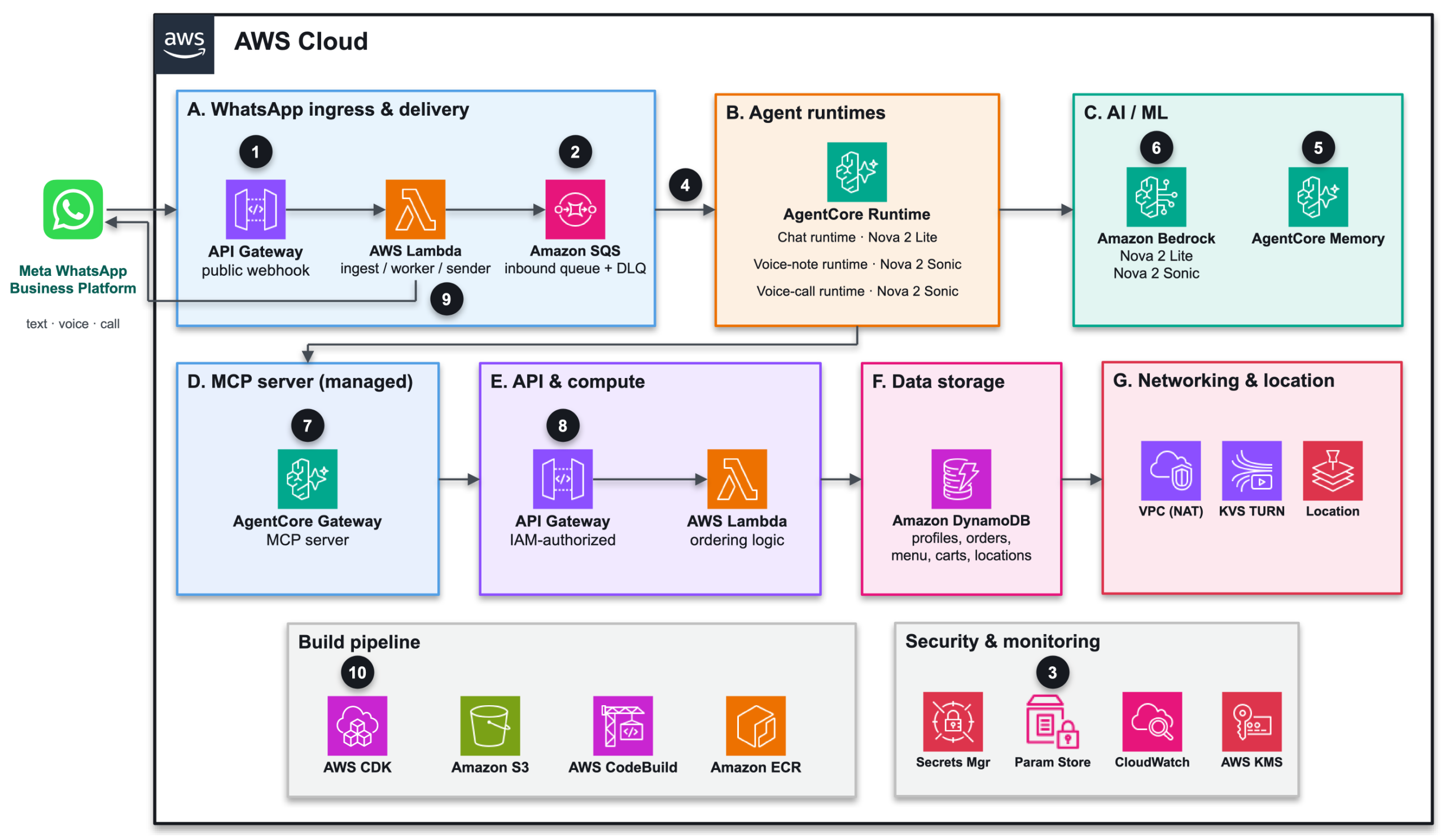
When ecommerce teams need faster time-to-market for AI-powered customer experiences, they face weeks of custom integration work that delays launches and increases security risks. Building and connecting a production-ready AI assistant typically requires custom API code for each client, container infrastructure management, and complex authentication. Amazon Bedrock AgentCore and Mistral AI Studio streamline this process. … Read more

Securing Amazon Bedrock AgentCore Runtime with AWS WAF

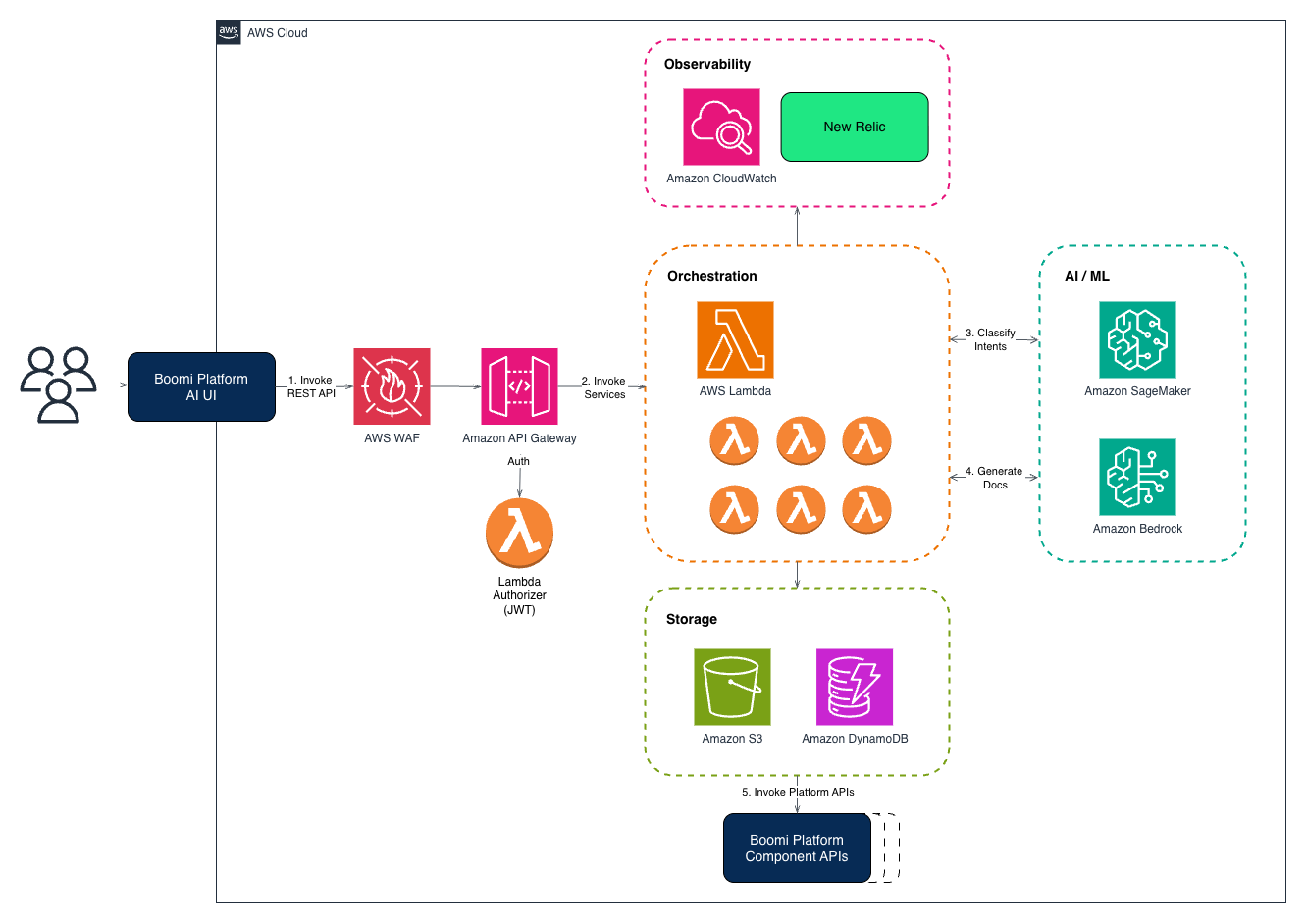
When you deploy generative AI agents with Amazon Bedrock AgentCore as production API endpoints, you might want to enforce web application firewall policies, rate limiting, protection against common web threats, or audit controls via AWS WAF. AWS WAF integrates with Elastic Load Balancing Application Load Balancers (ALBs), Amazon CloudFront distributions, and Amazon API Gateway REST … Read more

Manage AI applications on Mac with Jamf’s AI Governance and Amazon Bedrock

As organizations expand AI adoption across their workforce, IT administrators need a scalable way to manage how AI applications are configured and used on employee devices. These applications include Claude Code, Claude Desktop, and OpenAI Codex. Users, meanwhile, can open approved applications and start working without manual setup. Jamf, trusted by more than 78,000 organizations … Read more

Enrich your datasets with business context: Migrating from legacy Topics to semantic datasets in Amazon Quick

If you’ve been managing Amazon Quick legacy Topics alongside your datasets, you know the challenge: two assets that must stay perfectly synchronized, each with its own permissions, lineage, and versioning. Column synonyms drift. Calculated fields diverge. A rename in the dataset breaks the Legacy Topic silently. You can now use Amazon Quick to embed that … Read more

Data modeling best practices for Amazon Quick Sight multi-dataset relationships

Business intelligence analysts routinely face the same challenge at the start of every analytics project: the data needed to answer a single business question lives across multiple tables. Sales transactions sit in one place, customer demographics and product attributes in another, while returns, forecasts, and operational metrics occupy still others. Until now, combining these tables … Read more

Data modeling patterns for Amazon Quick Sight multi-dataset relationships

In Part 1 of this series, we introduced Amazon Quick Sight Multi-Dataset Relationships and covered the foundational concepts of dimensional modeling, best practices for designing clean data models, and a decision framework for when to use runtime joins versus pre-joined datasets. If you haven’t read Part 1 yet, we recommend starting there. In this post, … Read more

Multi-dataset Topic best practices for Amazon Quick Chat

Note: The topics referenced throughout this document refer to the new Topics experience (not legacy Topics). For details on the differences, see Build a unified semantic layer across datasets with multi-dataset Topics in Amazon Quick. Most real-world business questions span multiple tables. A retailer who wants to understand net revenue by product category must draw … Read more

Build a unified semantic layer across datasets with multi-dataset Topics in Amazon Quick

Amazon Quick is an AI-powered unified intelligence service that connects structured data and unstructured enterprise content so teams can explore, analyze, and act from one place. Amazon Quick Sight, the business intelligence (BI) capability within Amazon Quick, delivers interactive dashboards, natural language querying, pixel-perfect reports, machine learning (ML)-driven insights, and embedded analytics. Topics in Quick … Read more

Build a serverless image editing agent with Amazon Bedrock AgentCore harness

Building an AI agent that edits images based on natural language requires an orchestration loop, tool routing, memory management, and a compute environment to run it all. Amazon Bedrock AgentCore harness handles that entire stack with configuration. You declare what the agent does, and the harness runs it in a stateful, isolated microVM with built-in … Read more

Monitoring discriminative ML models using Amazon SageMaker AI with MLflow

The effectiveness and accuracy of machine learning (ML) models decreases almost as soon as the training job finishes. Changes in consumer behavior, releases of new products, upgrades in sensor technology, and a shifting economic and political landscape are all examples of uncontrollable factors that change the patterns and probabilities the model learned during training. By … Read more

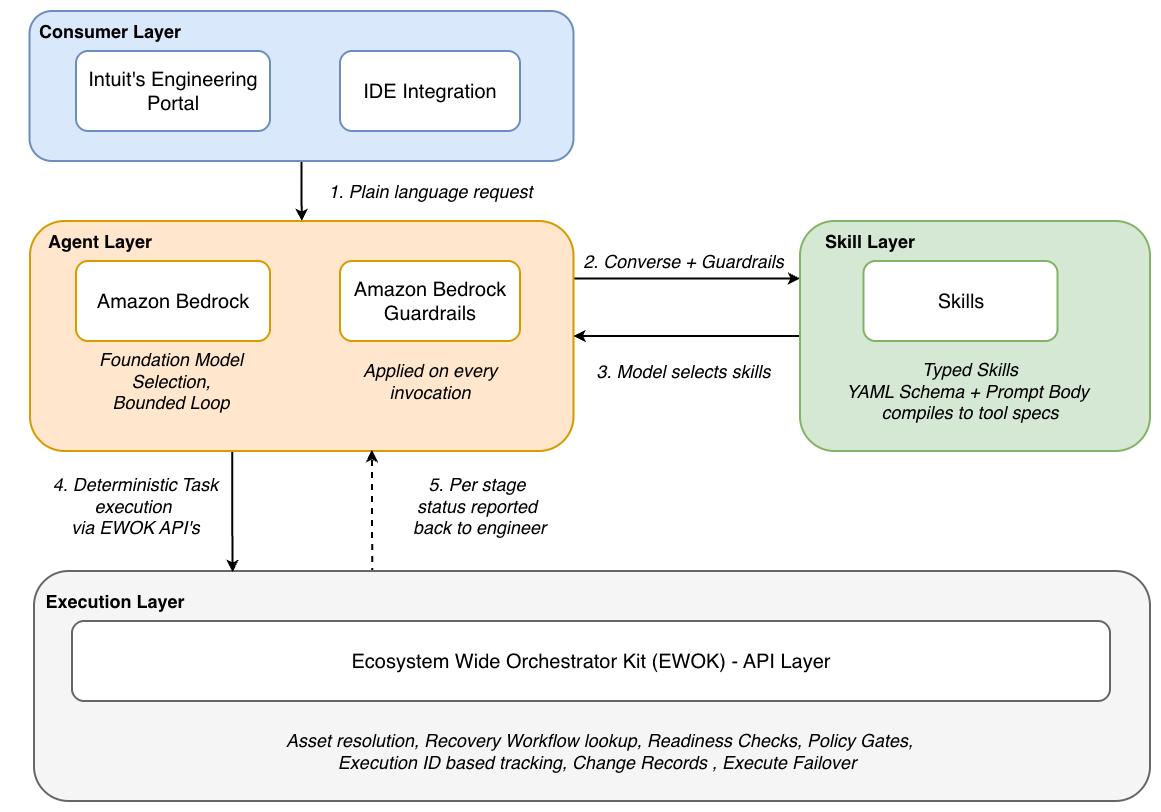
Build an AI-powered AWS support companion with Amazon Bedrock AgentCore

Managing AWS infrastructure often means switching between consoles, searching documentation, and manually creating support cases. For each incident, an engineer opens the AWS Management Console, checks Amazon CloudWatch, searches AWS documentation, reviews community posts, and files a support case. This context-switching adds up to 30–45 minutes per investigation before resolution work begins. In this post, … Read more

How AWS Finance teams reclaimed hundreds of hours with Amazon Quick

Every finance professional knows the drill. Monday morning arrives, and your Financial Planning and Analysis (FP&A) team disappears into data compilation. They pull numbers from multiple systems, reconcile sources, build charts, and write commentary. All to answer a question that should be straightforward: what happened with revenue last week, and why? Across AWS Finance, teams … Read more

From Hugging Face to Amazon SageMaker Studio in one click

Today, we’re excited to announce a deep-link integration between Hugging Face and Amazon SageMaker AI. Developers can now go from model discovery to hands-on experimentation in SageMaker Studio with a single selection. Whether you fine-tune a foundation model (FM) from Amazon SageMaker JumpStart or deploy it to an Amazon SageMaker Inference endpoint, you can now … Read more

Teaching models to forget: Selective unlearning with Amazon Nova

Organizations deploying foundation models (FMs) often encounter a common challenge: model safeguards designed for content moderation can also prevent legitimate, business-critical use cases. A media company summarizing scripts with mature language, a cyber security firm simulating real-world threats, or a legal team processing sensitive evidence may all find that default content moderation controls deflect the … Read more

Run MiniMax models on Amazon Bedrock

Organizations are increasingly adopting open-weight foundation models (FMs) to power production AI workloads, from agentic coding assistants to long-context document analysis. As these workloads move from experimentation to enterprise deployment, two requirements shape every model selection decision: the model must deliver the capabilities the workload demands, and the inference environment must support the organization’s security … Read more

Deploying Multi-Turn RL Infrastructure for Amazon Nova on Amazon SageMaker HyperPod

When you build enterprise agents that execute multi-step workflows, you face a fundamental training challenge. These agents query databases, call APIs, cross-reference results, and recover from mid-process failures. The quality of any single action depends on what happens several steps later. Standard reinforcement learning from human feedback (RLHF) optimizes single responses in isolation. This approach … Read more