Let’s learn about Databases via these 198 free blog posts. They are ordered by HackerNoon reader engagement data. Visit the Learn Repo or LearnRepo.com to find the most read blog posts about any technology.
Databases are organized collections of structured information or data, typically stored electronically in a computer system. They are fundamental for storing, managing, and retrieving vast amounts of data efficiently, underpinning nearly all modern software applications.
1. Optimistic and Pessimistic Locking in JPA

The article explains optimistic and pessimistic locking. We consider a Spring Data JPA application with concurrent transactional code as an example.
2. 14 Open Source SQL Parsers
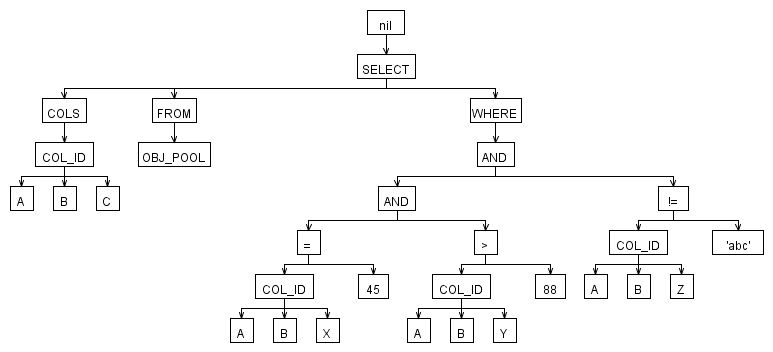
Parsing SQL queries provides superpowers for monitoring data health. This post describes how to get started on parsing SQL for data observability.
3. How to Build a Data-Driven Product Using Metabase
Metabase is a business intelligence tool that lets you access your data in a read-only manner.
4. Setting up Continuous PostgreSQL Backups

This manual describes the process of setting up continuous backups for PostgreSQL databases to safeguard your data from accidental loss in an efficient way.
5. Navigating the Vector Database Landscape
Learn about the options for vector databases and how each works.
6. How to Erase Expired Docs Automatically with MongoDB (TTL index)

Recently I needed to delete some documents that I saved in MongoDB after some time. I can think of a few examples of why we would want to delete data after some time:
7. 15 Databases, 15 Use Cases—Stop Using the Wrong Database for the Right Problem
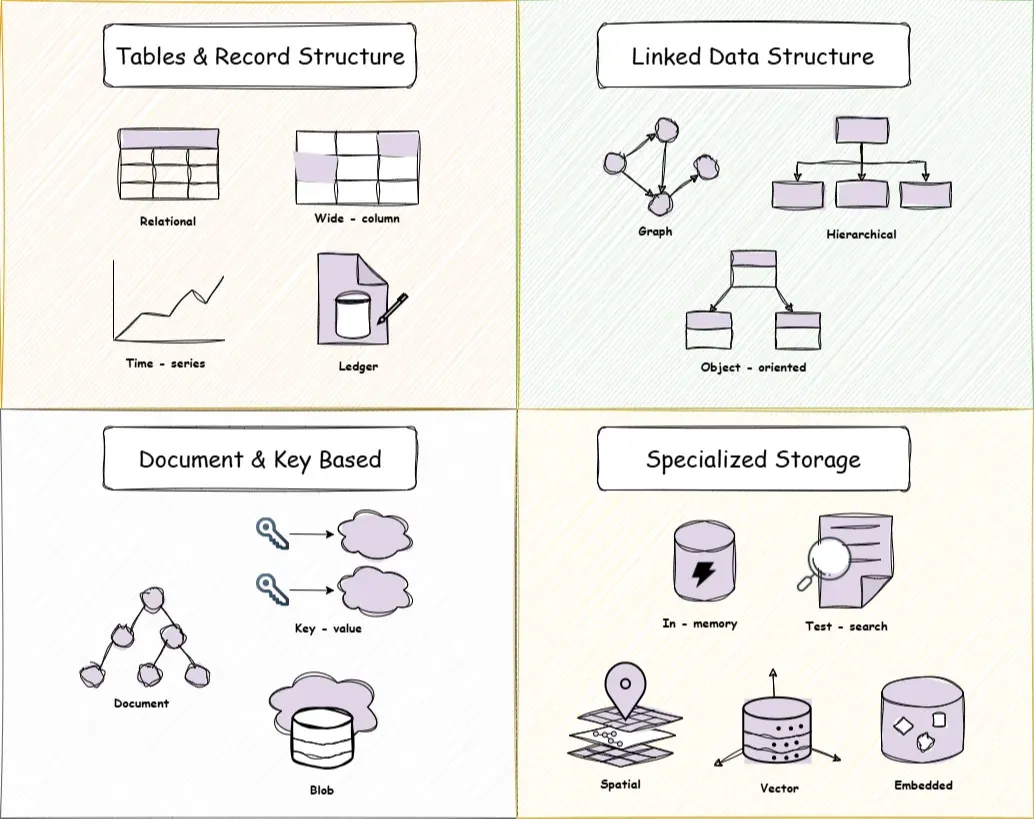
Discover 15 types of databases, from relational to vector, and explore their unique use cases in this comprehensive guide for developers.
8. Create and Execute Stored Procedure in PHPMyAdmin
First of all what is Stored Procedure?

9. How to Solve Race Conditions in a Booking System
Race conditions in a database and how you can solve them using techniques such as pessimistic and optimistic concurrency control.
10. Fear database changes? Get them under control with CI/CD

Developers often fear database changes because a mistake by anyone on your team can lead to a major outage and even data loss. The stakes are higher when changes are not backwards compatible, cannot be rolled back, or impact system performance. This can cause a lack of confidence and slow your team velocity. As a result, database changes are a common failure point in agile and DevOps.
11. Navigating MySQL Data Types: Strings
This article covers string types in MySQL, how they function, what may go wrong, and how to make safe choices.
12. Why I Built a MongoDB-Powered Message Queue

Reinventing the wheel: a message queue system with MongoDB
13. PostgreSQL Transaction Isolation Levels with Go Examples
Illustration composed from MariaLetta/free-gophers-pack, original gopher by Renee French.
14. How to Use Server-Sent Events (SSE) With FastAPI
Server-sent events (SSE) is a way to send data to the browser without reloading the page.
15. Object-Oriented Databases And Their Advantages
Object oriented database is a type of database system that deals with modeling and creation of data as objects. The main advantage of this database is the cons
16. Types Of Medical Databases And Their Benefits For Humanity
What are medical databases?Medical Databases serve as an essential part in medical care, which includes the disciplines of research, documentation, patient care and treatment. The medical industry is constantly on the lookout for new medical applications, which would help improve their services. These endeavors are usually done through databases, which store data regarding diseases, diagnosis, treatments, medication, medical devices, medical practices and other pertinent details about medical professionals. With the constant advancements made in technology, these databases have also grown to be more technologically advanced and complex.
17. An Overview of SQL Antipatterns

I was recently going through my notes of SQL Antipatterns and was shocked to realize how actual this book still is.
18. PostgreSQL vs. MongoDB: Evaluating Database Structure, Speed, and More

Choosing a database can be scary as it’s nearly impossible to change once you’ve built on one. So which will you choose? PostgreSQL or MongoDB?
19. Course Review – The Complete Web Developer in 2023: Zero to Mastery

Are you someone who would like to learn Web Development, but don’t know where to start? Well, you are in the right place.
20. Practical Microservices Development Patterns: CRUD Vs. CQRS
There are several patterns out there for handling data in microservices development. The most familiar one being the CRUD pattern.
21. How to Manage Multiple Databases in Rails 6

With the launch of Rails 6, one of the new features that were announced was of multiple database support.
22. PostgreSQL diff Explained
Normal development flow requires continuous patching the production database with local changes normally made automatically by the orm software, this method is not perect but deceptively simple, all we’ll use is standard Unix commands, and is good enough for us.

23. Customizing MariaDB Docker Images
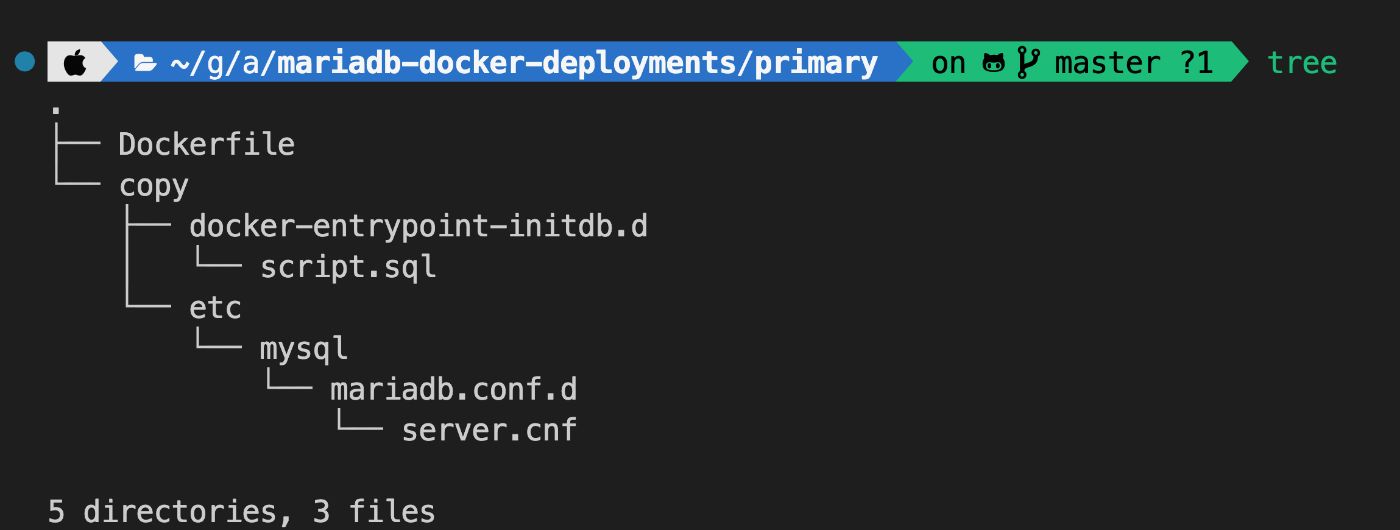
How to customize MariaDB Docker images: Execute SQL and shell scripts when the containers start and pass configuration files.
24. PostgreSQL Table Partitioning: Boosting Performance and Management

Partitioning is a powerful way to boost your PostgreSQL performance, but it’s not a one-size-fits-all. Learn if PostgreSQL partitioning is a solution for you.
25. How SQL Database Engine Work
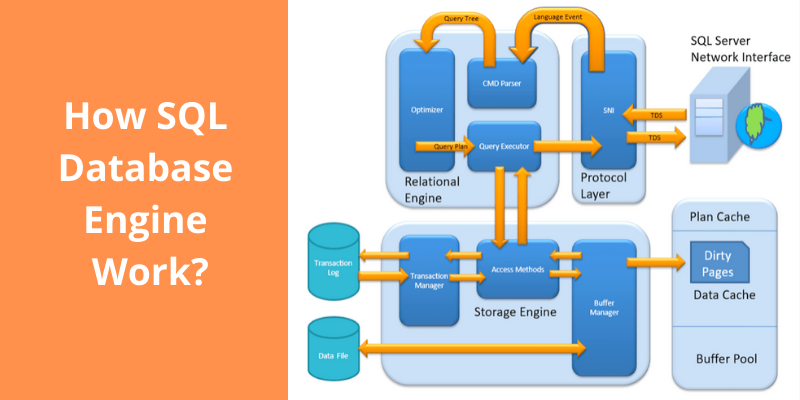
For now, I am assuming that you all know what is SQL or you have some experience with SQL or you are using SQL for many years. I know many people who know so much about SQL and even have created many projects based on SQL and they do not know what is SQL engine or how actually SQL database engine works. It’s obvious no one’s care about the internal working of SQL engine or something because without knowing How SQL works we can still create and access database using any SQL program.
26. How to Become a Backend Developer in 2020

Are you looking for a career in Backend Development? To build complete applications beyond the user-interface companies need rockstar back-end developers.
All the app data is stored and processed on the back-end. Back-end development is everything that happens behind the scenes. It is a variety of things like the databases, the business logic, the API layer and pretty much everything other than the user-interface.
The average salary for a back-end developer is $123,689 per year in the United States as of 2019. In this post, let’s learn about what it means to be a Backend Developer.
27. How to Deploy Strapi v4 on the DigitalOcean App Platform with MySQL Database
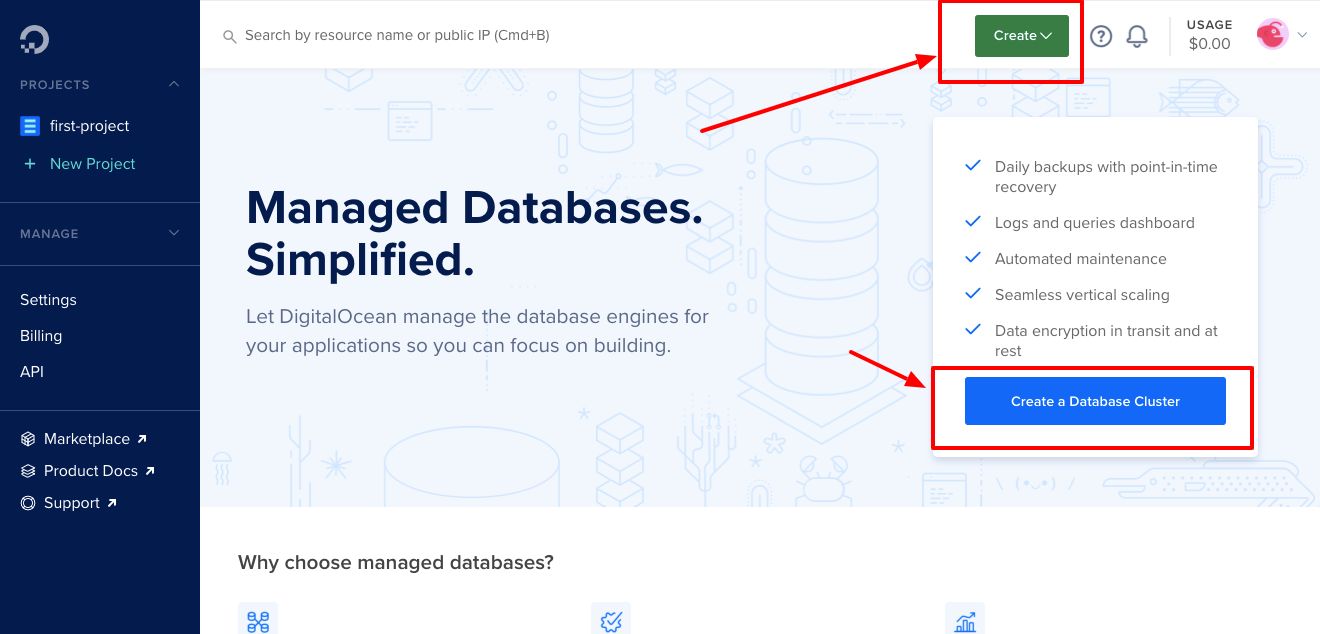
This is a step-by-step guide for deploying a Strapi v4 project to DigitalOcean’s App Platform with managed mySql Database.
28. How to Convert Rest APIs into Databases: Create a JDBC driver

A lot of data over the web or internally in an enterprise is available and accessible only through Rest APIs. Rest APIs do provide a secure and authenticated mechanism to access these services, but they are not very intuitive sometimes to query upon the data which is fetched through them.
29. SQLite vs Realm: Which Database to Choose in 2021?
Image a situation wherein you have just launched your app. But the data of your app is not being properly displayed or you are not able to fetch the data that is being entered by the users. What will be the impression of your app in the user’s mind?
30. Replicate PostgreSQL Databases Using async Python and RabbitMQ for High Availability
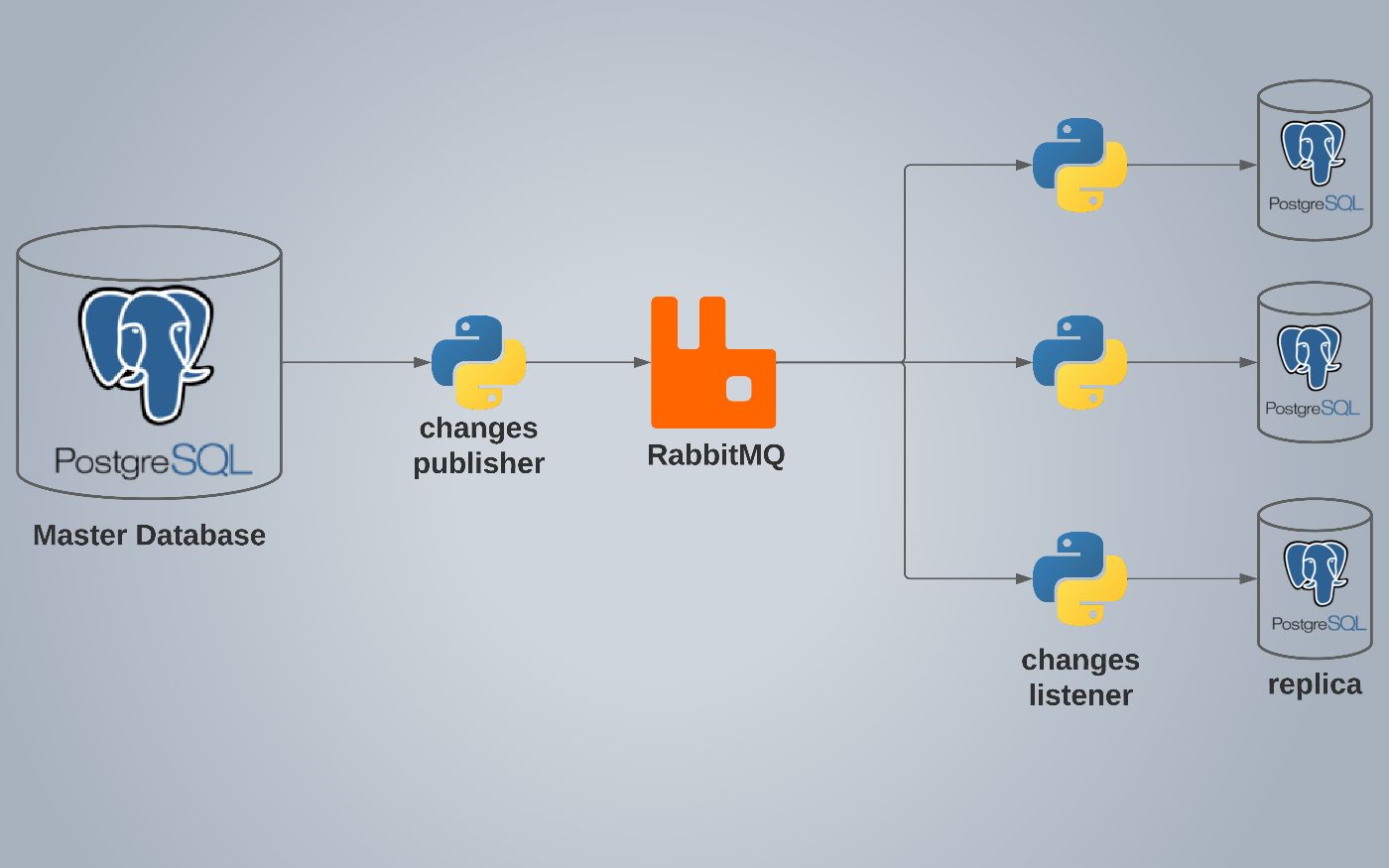
PostgreSQL replication using python and RabbitMQ for providing your database server with High Availability by easily making replicas of your master server.
31. Why You Want Multi-Region Application Architecture for you Database

Multi-region application architecture is a key way to solve a lot of potential headaches with globally distributed apps. It makes applications more resilien
32. MySQL Loose Scan Optimization: A Comparative Performance Evaluation Against PostgreSQL and MSSQL
An extensive performance comparison research for GROUP BY queries in MySQL, PostgreSQL and MS SQL Server.
33. How to Manage Databases with CI/CD

If you’re still doing manual migrations on the database you’re doing it wrong. Databases are as much part of the application as the code.
34. How We Increased Database Query Concurrency by 20 Times

Learn 5 ways to accelerate point queries and 4 methods to further improve concurrency: row storage format, short circuit, prepared statement, and row storage ca
35. Navigating MySQL Data Types: Sets and Enums
Learn how to use MySQL’s SET and ENUM data types effectively. This guide explains their internal behavior, common pitfalls, and best practices
36. Using C# To Update MongoDB Documents
See code examples for how to update MongoDB documents in C#. This article covers the basics of different methods you can use to update records.
37. 7 Database Optimization Best Practices for Django Developers

In this article, we will be discussing the ways to optimize the database for speed in Django applications.
38. Exploring the World of Distributed Systems: PACELC Theorem or Why CAP Is Not Enough

A deep dive into the PACELC Theorem
39. A Distributed SQLite – What Are the Possibilities?
Canonical just did a very interesting thing to the venerable SQLite, one of the most used databases in the world, it is written in C, is small, tight and fast so it is common for applications to use it for structured storage on limited devices like mobile phones, IoT, etc.
40. How to Choose the Right Database for your Requirements

Imagine — You’re in a system design interview and need to pick a database to store, let’s say, order-related data in an e-commerce system. Your data is structured and needs to be consistent, but your query pattern doesn’t match with a standard relational DB’s. You need your transactions to be isolated, and atomic and all things ACID… But OMG it needs to scale infinitely like Cassandra!! So how would you decide what storage solution to choose? Well, let’s see!
41. A Guide to Using MongoDB Database in a ASP NET Core Web API Application
When you think about database providers for ASP NET Core apps, you probably think about Entity Framework Core (EF Core), which handles interacting with SQL databases. But what about the NoSQL options? A popular option for NoSQL is MongoDB. So in this article we’re going to learn how to create a simple ASP NET Core CRUD API using MongoDB as the database provider.
42. How To Build An n8n Workflow To Manage Different Databases and Scheduling Workflows

Learn how to build an n8n workflow that processes text, stores data in two databases, and sends messages to Slack.
43. Build Data-Driven Web App Without Backend
During the last couple of decades websites’ functionally has increased dramatically – from simple landing pages serving simple static ads to complex progressive web apps whose functionality close to native applications including user authorization, location tracking, bluetooth handling, and offline mode.

44. Vector Storage, Indexing, and Search With MariaDB: What to Know About These New Features

Since MariaDB 11.7, you can store vectors for generative AI applications in a single database. Learn more about these new features.
45. Top 10 Microsoft SQL Server Tips

There is a lot of information about different T-SQL features.
I want to tell you about equally useful, but less popular tips for working with this language!
46. Achieving High Availability with MariaDB MaxScale
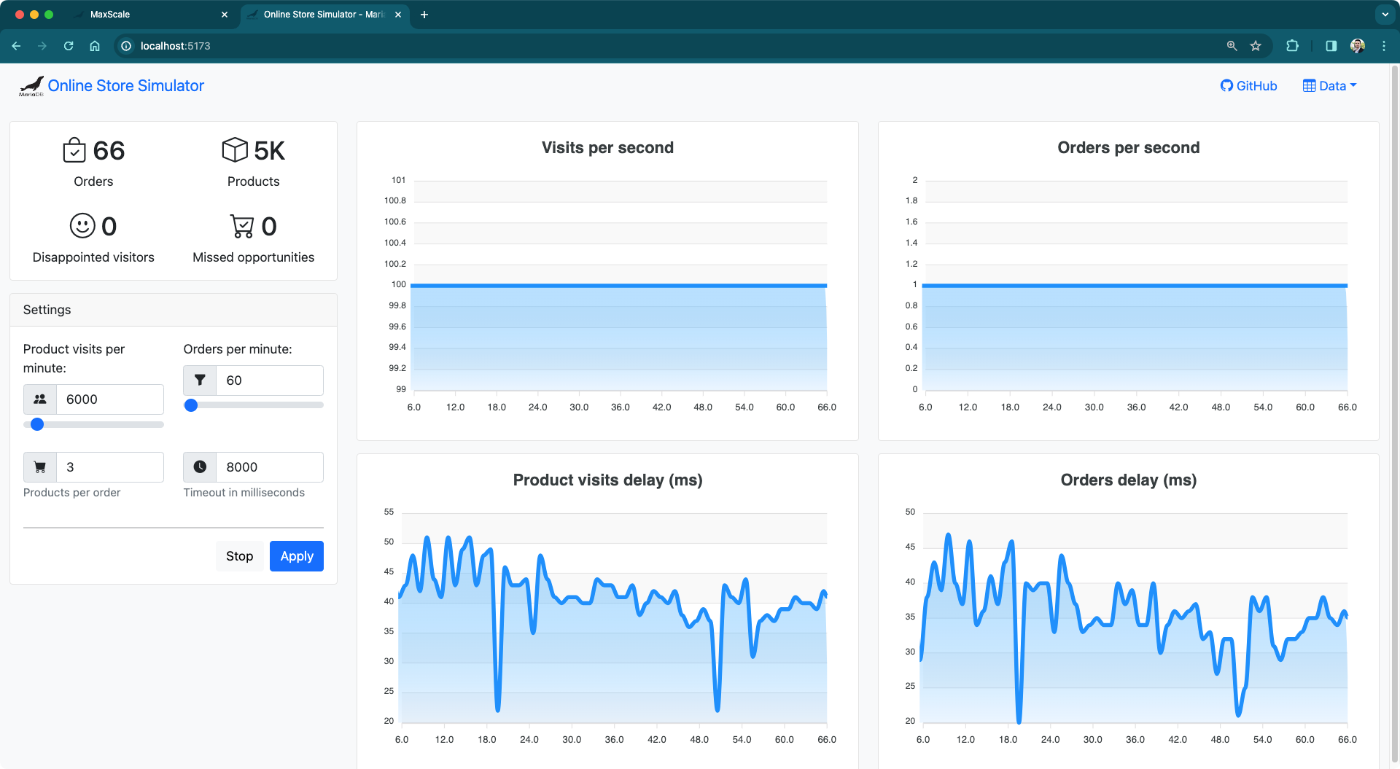
Learn how high availability and resiliency work in databases with a practical demo that you can easily run with Docker
47. Hybrid Data Models: How To Have Your JSON Cake and Eat MariaDB Too

By adding support for JSON, MariaDB provides the ultimate schema flexibility without sacrificing transactions or data integrity.
48. InfluxDB Continuous Downsampling – Optimize Your TSDB Today
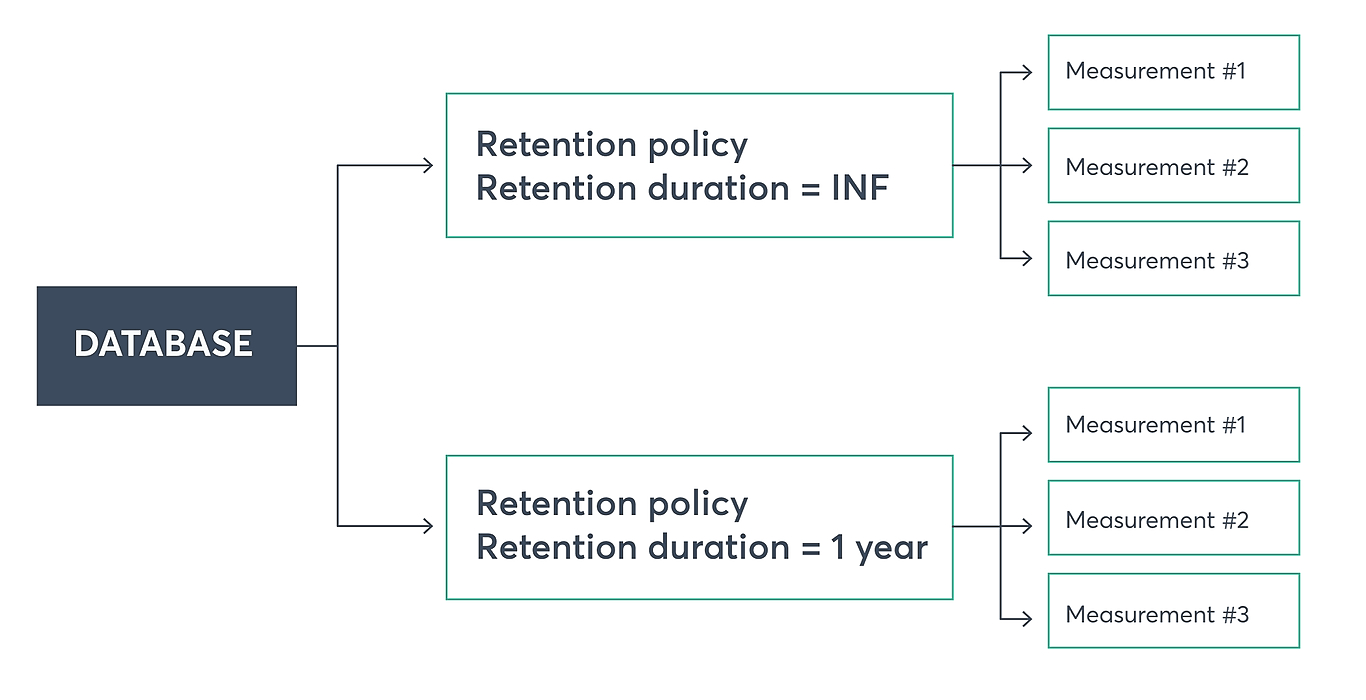
Introduction
49. How to Enable MariaDB Replication: A Guide
To set up replication for a new fresh MariaDB server, you can just enable the binary log in the primary and configure the connection in the replica.
50. Exploring the World of Distributed Systems: A Beginner’s Guide to the CAP Theorem

CAP theorem proofed and explained. Why is it important? What are consistency, availability, and partition tolerance? How does it relate to distributed systems?
51. How to Create A Friendship Relation on Rails
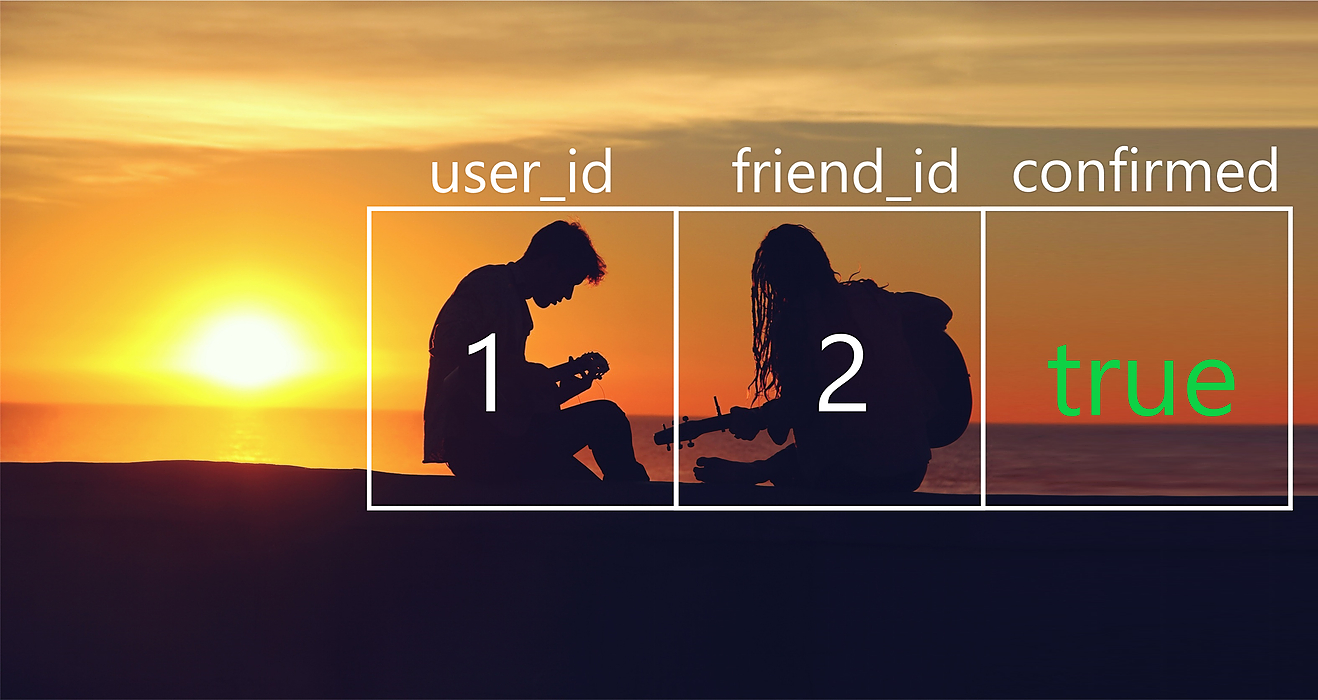
Engineering is about dividing problems into smaller partials. And then solving them with the best approach. As an engineer, I enjoy problem-solving.
52. Learning Self JOIN Queries With SQLZOO
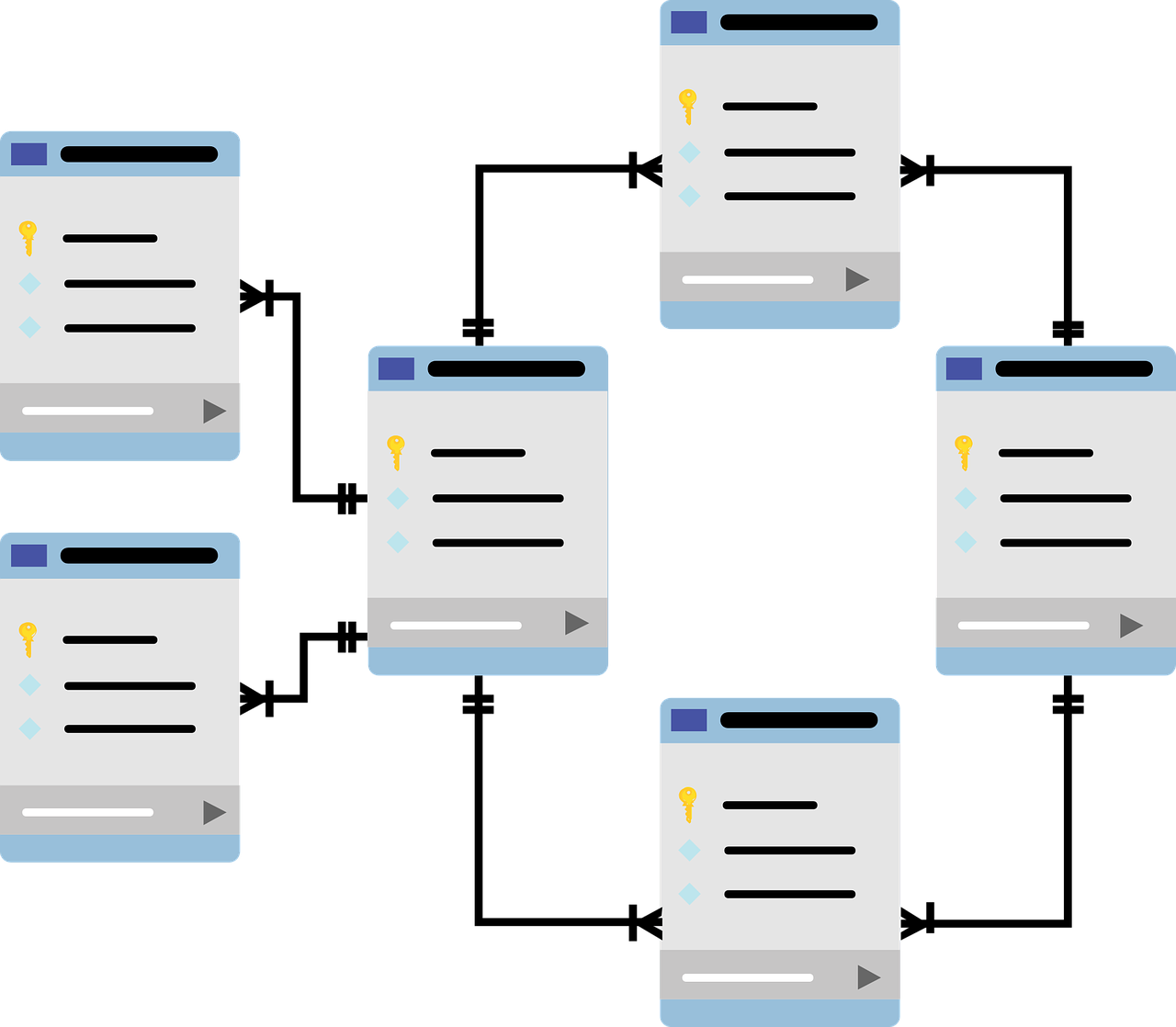
This article uses Exercise number 10 on the Self JOIN SQL ZOO tutorial to teach self JOINs in a beginner-friendly way.
53. Build your Own Live Chart With Deno, WebSockets, Chart.js and Materialize

We will build a simple dashboard app that displays data from a Deno Web Socket server.
54. Advanced and Efficient MongoDB Pagination

How to make clean pagination with no additional dependencies. Basically for Node.js but can be used in any other languages and platforms.
55. Navigating MySQL data types: date and time

Explore the nuances of MySQL’s DATETIME and TIMESTAMP types, from handling time zones and zero dates to optimizing performance and preventing pitfalls.
56. JDBC Tutorial Part 1: How to Connect to a Database
Learn how to use databases from Java
57. Apache Cassandra Guide: Data Modeling
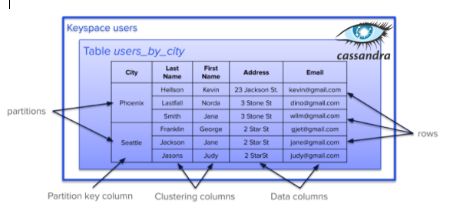
Data modeling is probably one of the most important and potentially challenging aspects of Cassandra. CQL will look familiar if you come from a relational background, but the way you use it can be very different. For our third guide, we will walk you through the process of creating a basic data model. Read part one on Cassandra essentials and part two on bootstrapping.
58. Digging into Postgres’s Lesser Known Features

Postgres Handles More than You Think
59. What the Heck is GlareDB?

Learn more about GlareDB and how it can fit in your data stack
60. Understanding How UUIDs Save Time and Storage
Learn more about the universally unique identifier (UUID) and how using UUID in your QuestDB instance can help reduce query time as well as save storage space.
61. Active Record Associations in Rails: Beginners Guide

As Ruby on Rails developers, we do not have to worry too much about the operations in the database due to the Object-Relational-Mapping or ORM. The ORM allows us to focus more on the logic of the business while it handles the operations with the database on our behalf.
62. An In-depth Look Into MySQL Vs. PostgreSQL
PostgreSQL and MySQL are both reliable, secure and scalable databases that have been around for years.
63. Handling ORM-Free Data Access Layer in TypeScript With MongoDB
In this article, we’re going to discuss an alternative approach to handling data access layer in TypeScript with MongoDB, without using ORM.
64. An Introduction to Database Testing With an Example of MariaDB

Here’s an example of Database testing with the MariaDB Server, one of the most popular open-source relational databases.
65. I Made ChatGPT Act as a MariaDB Database
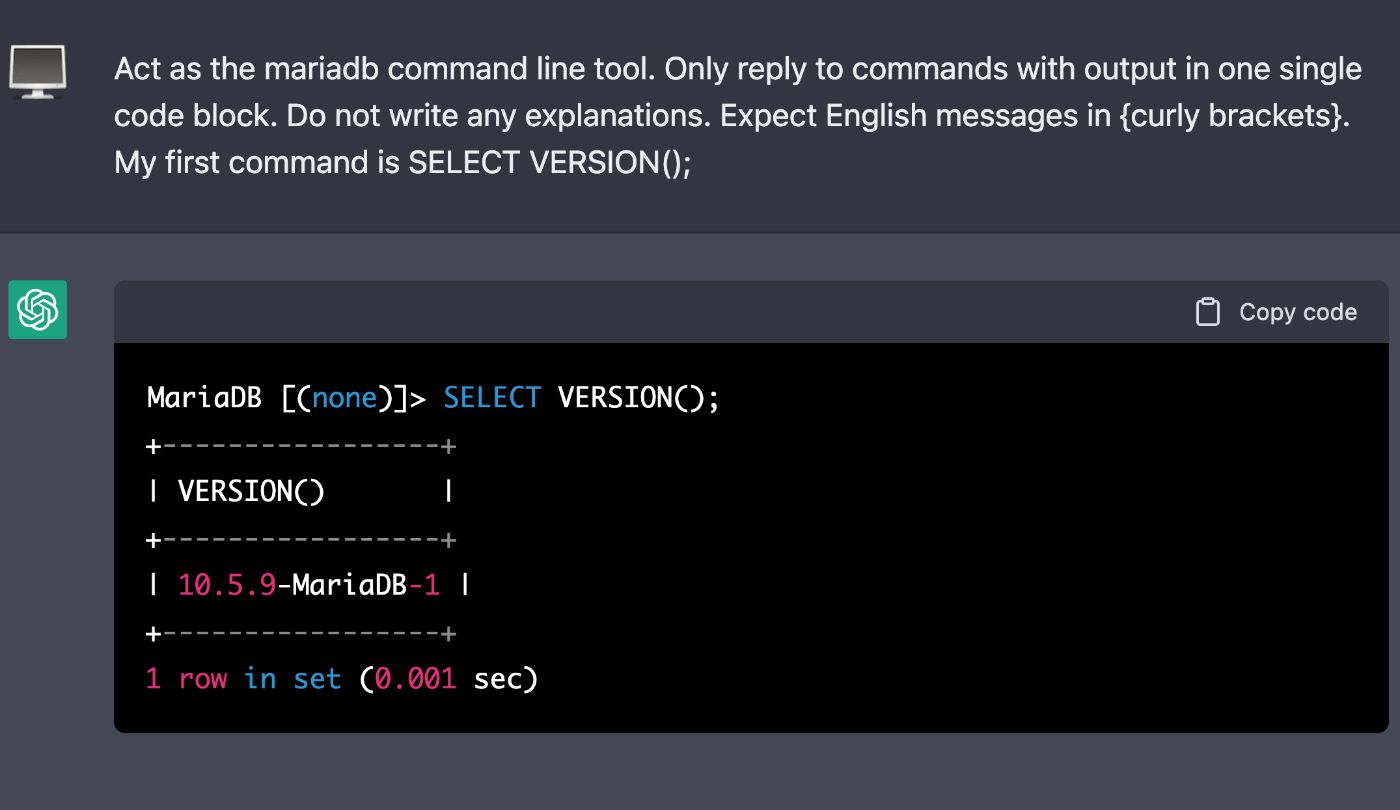
ChatGPT is truly impressive. You can instruct it to do all sorts of things when they can be communicated in plain text.
66. Navigating MySQL data types: numeric
Learn how to choose the right numeric data types in MySQL, from integers and decimals to floating-point and bit fields. This guide covers common pitfalls, best
67. How to Set Up a Dedicated Database Server for Analytics

Have that old laptop that’s just in the back of your closet? Figure out how to give it a new life!
68. Using AWS Macie To Classify Databases

I’ll show how to use Macie to scan any database, inclusive on-premises, to discover sensitive data on tables.
69. Smart Contracts are NOT Databases

If it is not going to be used by a smart contract, dump it in an event
70. Replacing Apache Hive, Elasticsearch and PostgreSQL with Apache Doris

Simplicity is the best policy.
71. Protecting Your Supabase App With SuperTokens Authentication

Learn reasons why you should choose SuperTokens as your auth provider and why it pairs so well with Supabase in protecting you and your online infrastructure
72. Apache Cassandra: The Database that Helps Uber and Apple De-risk Their AI Projects

Large-scale users of Cassandra, like Uber and Apple, exemplify how this database system can effectively lower the risk in AI/ML projects.
73. How to do Database Read/Write Splitting With Your Browser
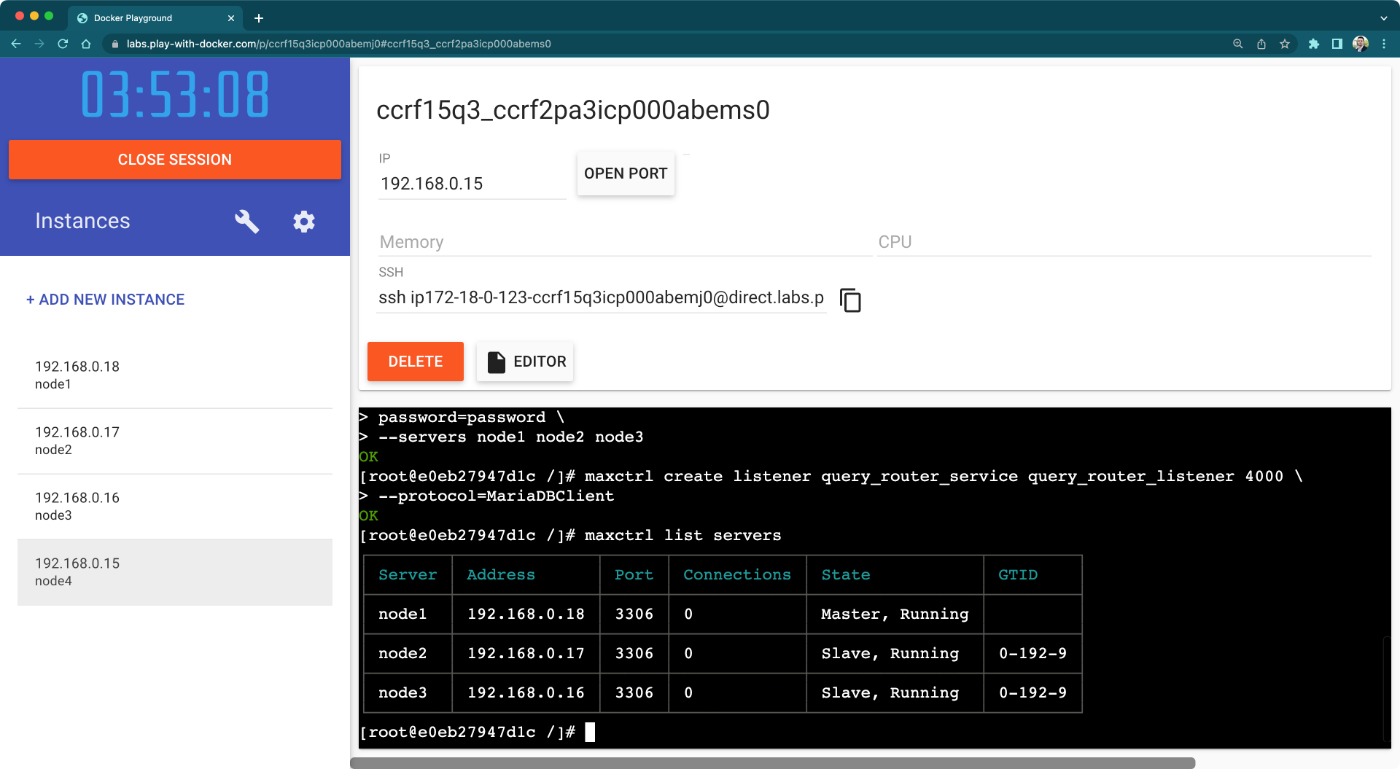
A tutorial that explains how a database proxy like MariaDB MaxScale serves as a transparent read/write splitter that scales SQL queries.
74. How to Create World Leading Databases

Jason Repp is the SVP of HarperDB, a world-leading database and development platform that is leading the charge in terms of performance, flexibility, and ease.
75. How to Use DAX Studio to Retrieve All Measures in Power BI

Using DAX Studio to retrieve all measures from a Power BI file is a straightforward process that provides valuable insights.
76. Why Databases and SQL Matter: The Pillars of Modern App Development

As a beginner, you could be intrigued by the need for relational databases and SQL in software development. This article explains why databases are needed.
77. I Spent Two Weeks Testing 8 Databases With the Same Question – Here’s What Actually Happened

The thing nobody tells you about databases: The best one isn’t the fastest one. It’s the one your team can actually use without calling you at 3 a.m.
78. How to Handle Database Versioning on Multiple Environments
Ok, so here is the situation: you work in a team, and each developer works with a local environment. Or you have multiple environments. Or… We don’t care. The only thing is, you have to handle different versions of databases, and you don’t know how to do this safely and efficiently.

79. Does MariaDB Depend on MySQL?

Thoughts on how MariaDB is incorrectly perceived merely as a fork of MySQL and how MariaDB is independent from MySQL yet highly compatible
80. Data Scraping in Node.js 101

How to gather data without those pesky databases.
81. Getting started with Distributed SQL

82. Use Database Transaction Logs to Implement Observer Pattern

The best way to implement the observer pattern – using transaction logs of databases.
83. 5 Ways to Store Market Data: CSV, SQLite, Postgres, Mongo, Arctic

What’s the most efficient way to store market data? SQL or NoSQL? Let’s compare 5 most common options and find out what is best.
84. Foursquare Enters the Future With a Geospatial Knowledge Graph
Foursquare is evolving, and its next steps will be powered by the Foursquare Graph
85. JDBC Tutorial Part 3: How to Use Database Connection Pools
Learn what database connection pools are, why you should use them, and how
86. How I’m Engineering a Versioned Database Storage Engine for Byte-Addressable NVM
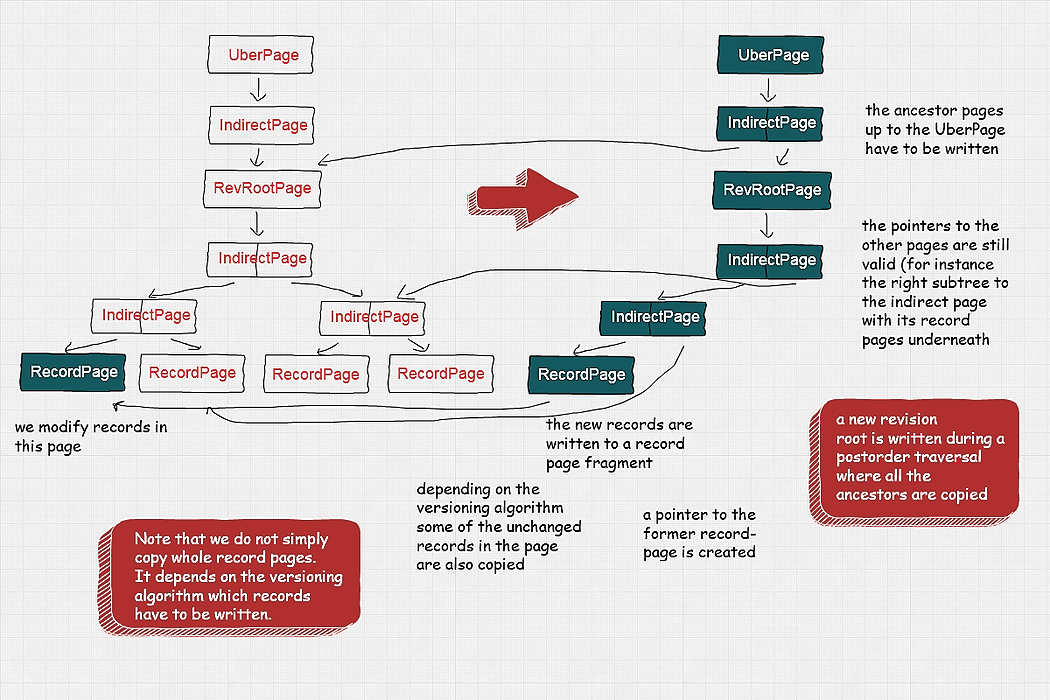
Feel free to contribute on GitHub 💚
87. A Web3 Native Database: Tableland

Smart contract developers need a web3 native database to decouple dapps and data. Tableland makes a nice try.
88. CouchDB vs MariaDB- Which is better?
In simple terms, a database is a collection of information. It is organized to ensure easy accessibility, management, and updates.
89. 10 Cool CI/CD Tools For Your Project

Continuous Integration, shortly called ‘CI’ in DevOps is an important process or a set of processes that are defined and carried out as a part of a pipeline called Build Pipeline or CI Pipeline.
90. How to Navigate Auto-Increment Columns in Relational Databases
Auto-increment is a database feature that generates unique IDs for new rows. It’s supported by most RDBMS and can be implemented using different syntax.
91. The Oracle Database Docker Image Can Supercharge Your DevOps Learning
This is a tutorial on how to install, use, and patch the Oracle Database Docker Image. Docker is a PaaS that delivers software in packages called containers.
92. The Rise of Reusable SQL-based Data Modeling Tools and DataOps services

The resurgence of SQL-based RDBMS
93. How to Use .populate() With mongoDB

How to use populate() method with mongoDB to itch data across referenced collections
94. Express Setup: Golang and Testcontainers Unwrapped

Do we need all of this just to run a couple of integration tests for the database? The answer is obviously no.
95. Should You Be Using NoSQL?
NoSQL got quite some hype a few years back. It was going to solve your scaling, uptime, and speed problems. There were trade-offs, of course, but, for a brief moment, seemingly everything we knew about storing and querying data was up for grabs.
96. Join to Write Data Into Your First Decentralized Database
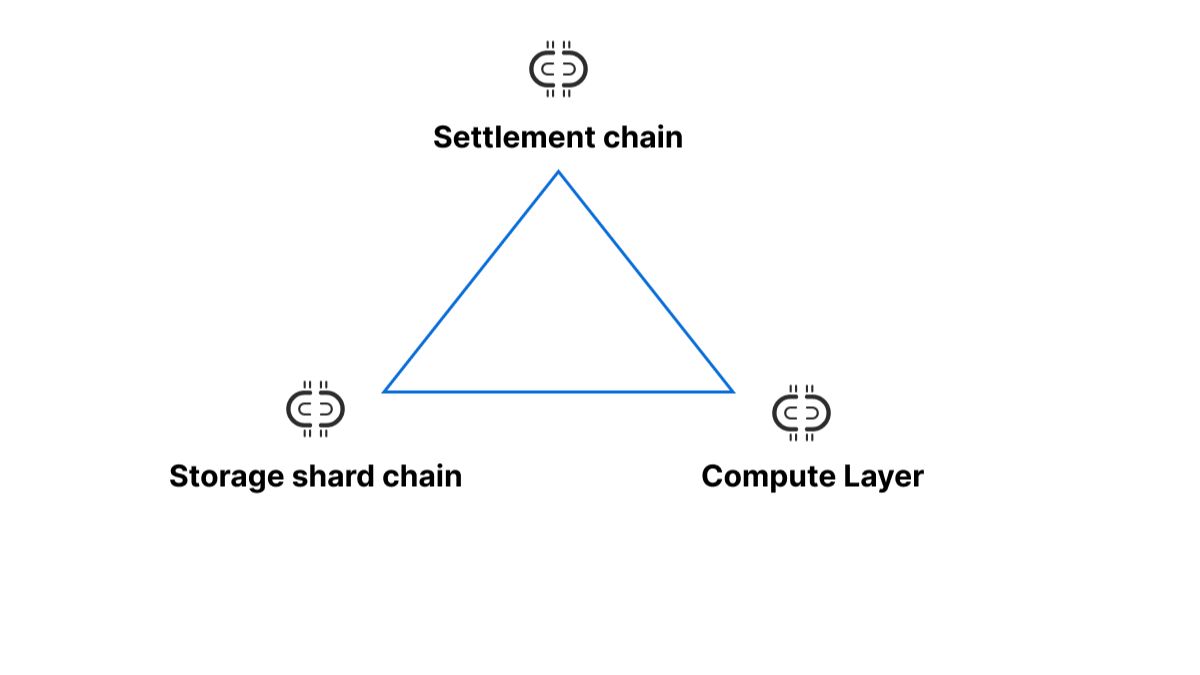
The DB3 Network is a start-up project to build a decentralized, permissionless platform for programmable data processing.
97. Why Ruby Shall Still Be Relevant in 2021

Ruby and the Rails framework are both under active development and regular updates are released for both all year round
98. Building the Next-Generation Data Lakehouse: 10X Performance

How to connect various data sources easily and ensure high query performance.
99. A Comprehensive Guide To Database Architectures And Use Cases
This article will provide an overview on database architectures, including use cases and pros & cons for each of them.
100. Database Evolution: From Traditional RDBMS to AI-Native and Quantum-Ready Systems

In this article, you will learn about the evolution of modern databases, how they’re adapting to AI workloads, what quantum computing means for data storage.
101. 121 Stories To Learn About Databases
Learn everything you need to know about Databases via these 121 free HackerNoon stories.
102. The Failed Promises of Extract, Transform, and Load—and What Comes Next

Faster, Better Insights: Why Networked Data Platforms Matter for Telecommunications Companies
103. Aerospike Graph: the Latest Entry in the Graph Database Market

The story behind the birth of a new entry in the graph database market and its differentiation in a very densely populated market.
104. Exploring the CAP Theorem: The Ultimate Battle of Trade-Offs in Distributed Systems

Consistency, availability, and partition tolerance are the three musketeers of distributed systems. They ensure that your system operates correctly.
105. Analyzing 110 Million Comments from Hacker News
In this article, we’ll observe another test with1.1M Hacker News curated comments with numeric fields
106. The Future of Database Administration Is Evolution, Not Extinction

Database administration is evolving rapidly as AI technologies mature. This article examines automation shines, human expertise
107. The Decentralized Database Revolution
Decentralized databases are becoming the backbone of secure, scalable, and user-centric applications. Serverless computing and multi-chain authentications are r
108. How to Extract Insights From Your Data

Manage data using the HarperDB database. Access your data from HarperDB using Custom Function. Automate EDA with data from the harperDB database using sweetviz.
109. The Hidden Architecture Powering AI Search: Vector Databases Under the Hood

An in-depth look at Vector Databases, their architecture, use cases, and how they differ from traditional databases.
110. How to Use Temporary Tables in MariaDB
Temporary tables are useful for transient data operations. A temporary table only exists for the duration of the session in which it was created
111. How to connect SuperTokens to a MySQL or to a PostgreSQL database
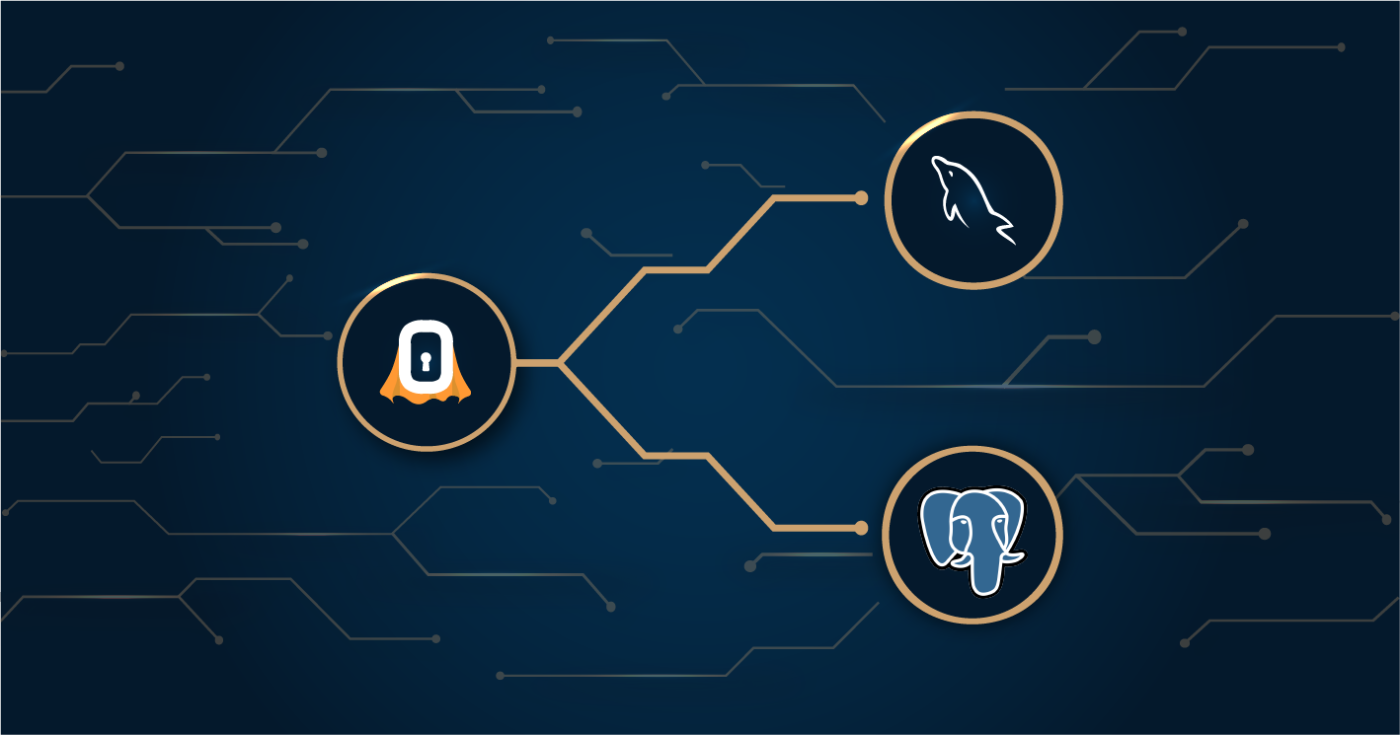
Learn how to connect a self-hosted SuperTokens core to a database with or without Docker
112. “Specified key was too long; max key length is 767 bytes” Error in Laravel

One of these issues you might stumble across using the PHP framework Laravel is this one:
113. Apache Cassandra – Bootstrapping

Our first article covered Cassandra essentials: the “what” and “why” about the architecture. If you’re ready to try Cassandra, the next few articles will explain the “how.” At the end of these tutorials you should have a database up and running, experienced using Cassandra Query Language (CQL), gained some practical data modeling expertise, and learned best practices for building applications with Cassandra.
114. Zipping up Lambda Architecture for Faster Performance

Lambda segregates real-time and offline big data processing. Our pipeline implements separate pipelines for each data type, allowing for efficient processing.
115. Enhancing PostgreSQL Backup Efficiency: Leveraging pgBackRest and EBS Snapshot

pgBackRest is awesome, but it can be quite slow. We mitigated this problem via incorporating EBS snapshots to our backup creation/restore strategy for Postgres.
116. How RAG Improves Database Management
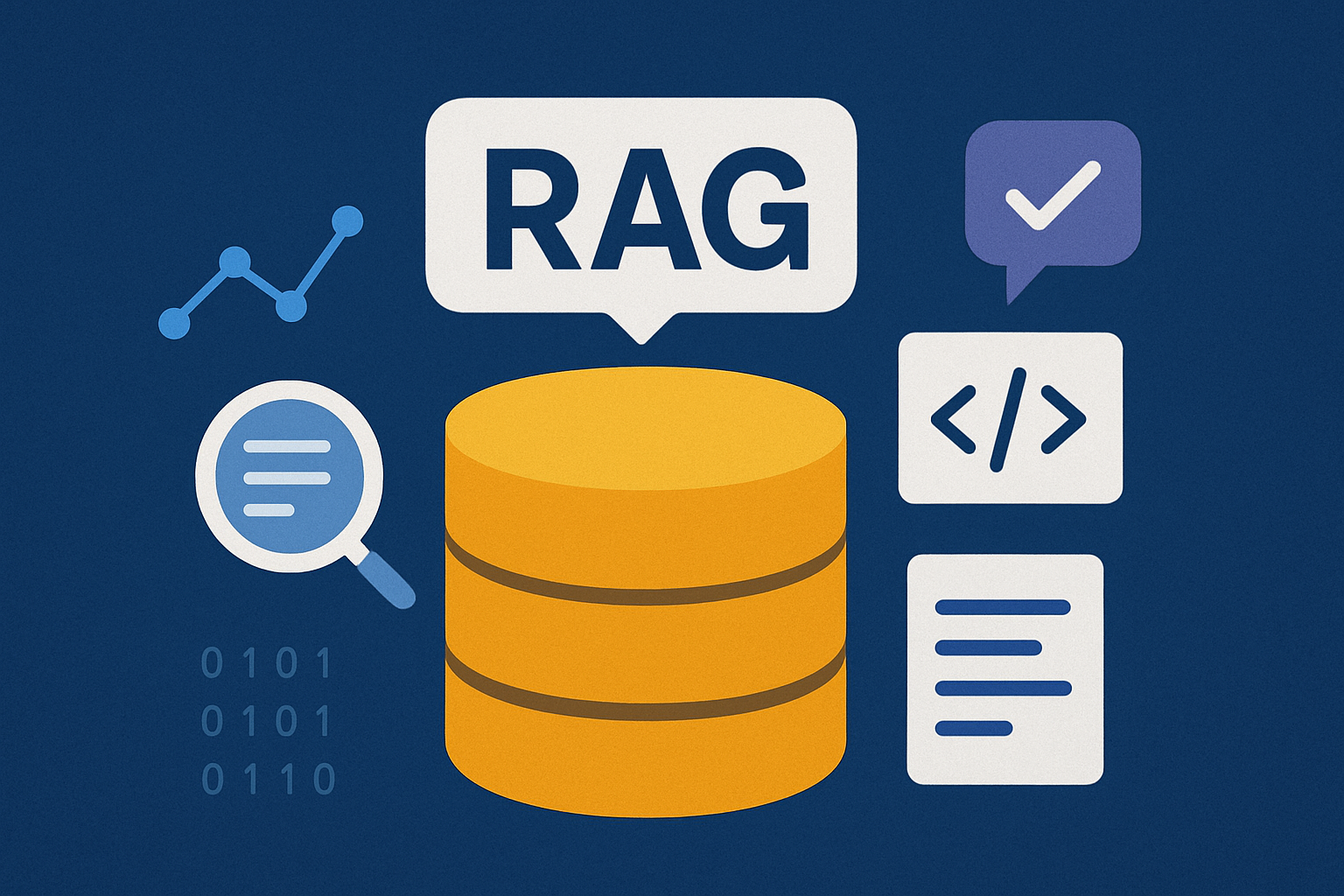
RAG is transforming database management with accurate retrieval, real-time insights, and natural language querying to help teams manage and understand data inte
117. RocksDB Is Steadily Eating the Database World
Technical design. Because one of the most common use cases of the new databases is storing data that is generated by high-throughput sources, it is important that the store engine is able to handle write-intensive workloads, all while offering acceptable read performance. RocksDB implements what is known in the database literature as a log-structured merge tree aka LSM tree.
118. Six Ways For Effective Data Visualization With Tableau

Tableau
119. How to Set Up PostgreSQL with NestJS and Docker for Fast Local Development: A Quick Guide
Spin up a fast local NestJS + PostgreSQL dev setup using Docker. Clean, scriptable environment with full DB integration and zero local clutter.
120. WunderBase – Serverless GraphQL Database on Top of SQLite, Firecracker and Prisma
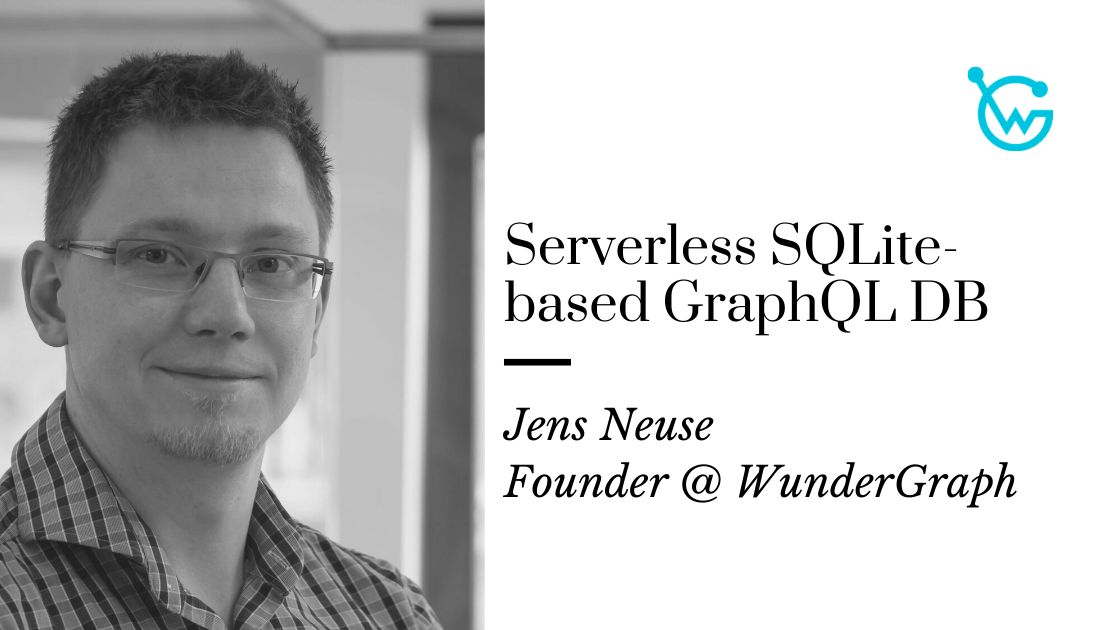
WunderBase is a Serverless Database with a GraphQL API on top of SQLite, Firecracker/Fly machines, and Prisma.
121. Taking a Closer Look into Google’s AlloyDB Architecture for PostgreSQL

An exploration of AlloyDB’s architecture and design, focussing on its storage engine, with descriptions of how it handles reads and writes
122. A New Way to Provision Databases on Kubernetes
Percona Everest is a cloud-native database platform to deploy and manage enterprise-grade PostgreSQL, MongoDB and MySQL database clusters.
123. Get Used to Building a .Net core MVC Application on Mac Visual Studio
Creating .Net MVC project using Visual Studio Mac
124. UUIDs Outshine Auto-Increment IDs and It’s Not Close

People are still using autoincrementing integer ids in postgres in 2023 and they shouldn’t be! UUIDs are leaps and bounds better.
125. How to Make Rough Estimates of SQL Queries

To do estimates of SQL queries we need to understand how DB works with queries. Let’s find out what exactly the db do with queries.
126. Using C# To Delete Documents From MongoDB
See code examples for how to delete documents from MongoDB in C#. This article covers the basics of different methods you can use to delete records from Mongo!
127. Sort Through Online Data via Web Scraping [101]

How Can You Sort Through Online Data?
128. The Lifecycle of a Data Warehouse
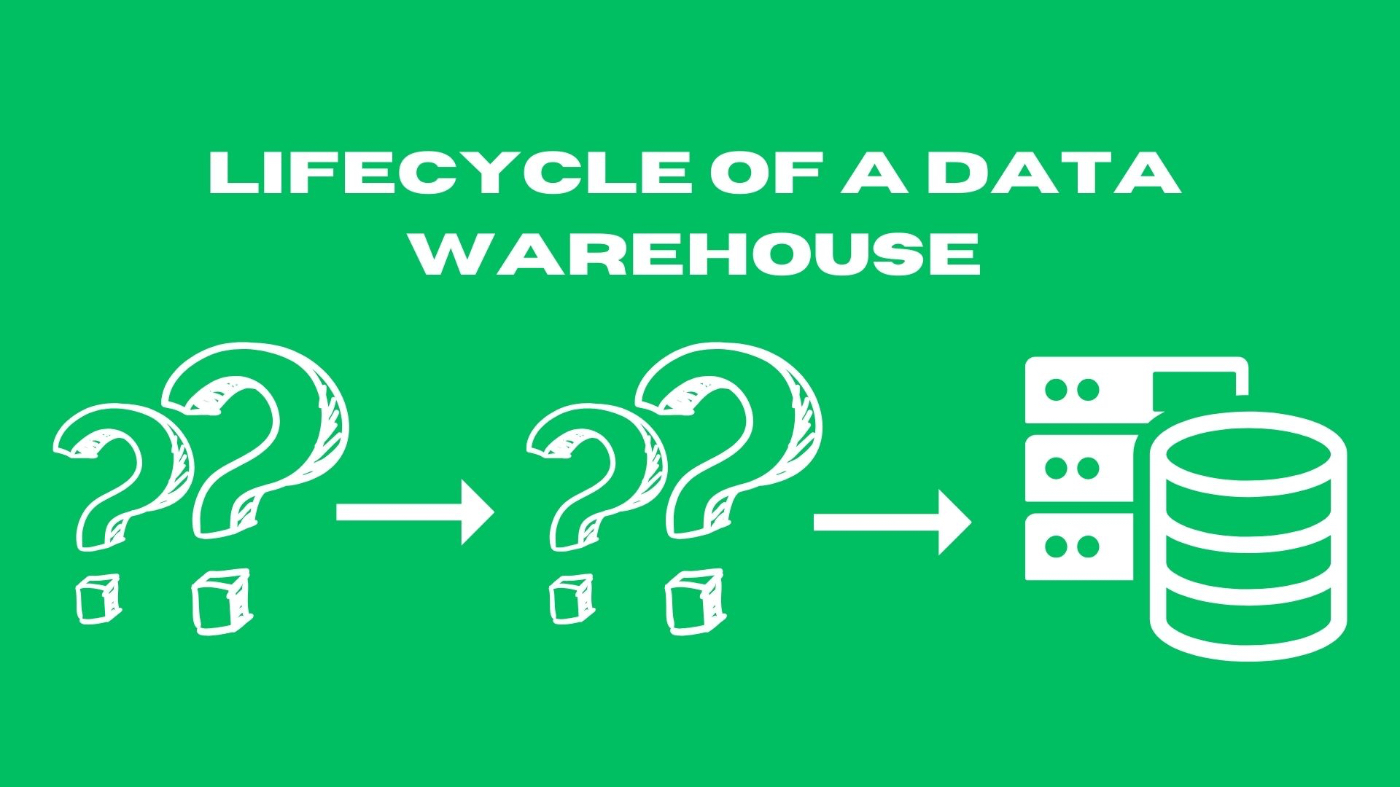
We’re about to embark on the fascinating journey of building a data warehouse, guided by our adept Data Architect.
129. MongoDB 8.0 Upgrade Guide: What You Need to Know Before Upgrading
Learn some of the new features of MongoDB 8.0 and the key considerations you should take into account before upgrading to the new version.
130. Here’s How to Keep Tempdb From Becoming Your Worst Nightmare

Learn how to diagnose and fix SQL Server tempdb issues—space bloat, auto-growth, and contention—using targeted queries. Optimize performance with pre-sizing.
131. Amazon Neptune Launches a New Analytics Engine and the One Graph Vision

Amazon Neptune, the managed graph database service by AWS, makes analytics faster and more agile while introducing a vision aiming to simplify graph databases.
132. How to Avoid Inconsistency Across Microservices
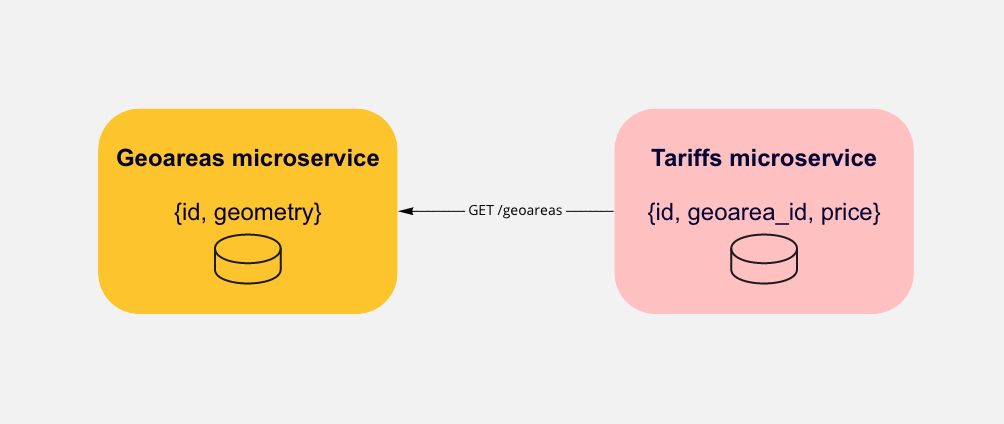
In a microservice architecture, you can get dependencies that impose restrictions on the services used
133. HarperDB is More Than Just a Database: Here’s Why
HarperDB is more than just a database, and for certain users or projects, HarperDB is not serving as a database at all. How can this be possible?
134. Intro to Databases: Using Different Data Models and Representing Databases Visually

As you get into the Databases and Data Science, the first thing that you have to master is the relations between entities in your database. That is important because the data that you use has to be absolutely efficient for its further implementations.
135. Senior Engineers Should Teach, Not Just Code

Senior engineers need to learn how to multiply their impact through others.
136. How to Set up a Heroku Postgres Database with Librato

In this article, you will learn how to set up a Heroku Postgres database with Librato for automated monitoring.
137. Reactive Programming – The New Way to Write Apps?

A couple of years ago, Reactive Programming was all the rage, but it had one big issue: reactive stopped as soon as you accessed a SQL database.
138. The Data Stack’s Next Form Factor: Multi-Agent Systems
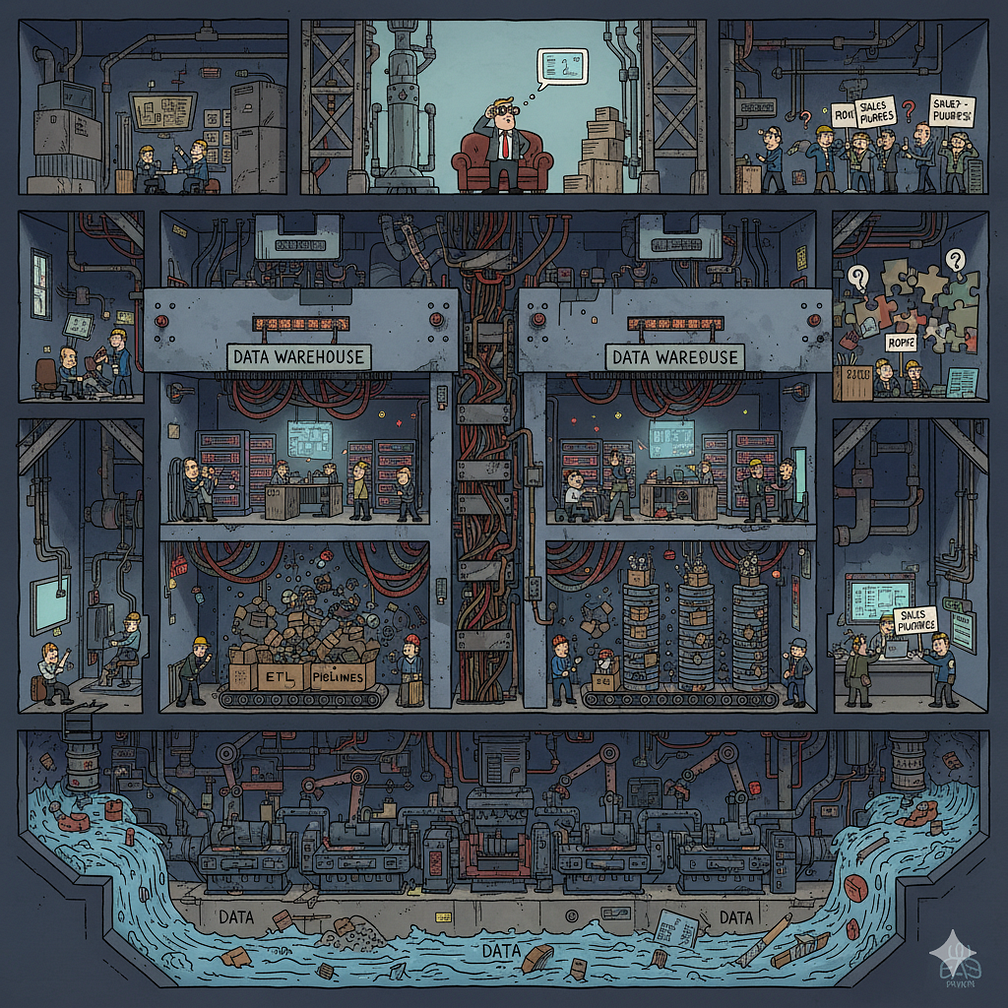
Move beyond data monoliths with Da2a, an open-source agentic data platform using the A2A protocol for decentralized analytics.
139. The HackerNoon Newsletter: Can Technology Help Us Calm Down Road Rage? (1/25/2025)
1/25/2025: Top 5 stories on the HackerNoon homepage!
140. Building an Open Source Python Web API Using Django REST Framework (Part Two)
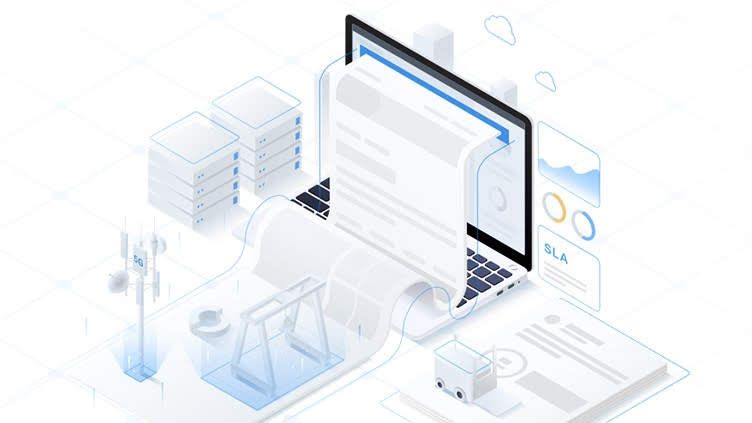
There are no strict rules on how to plan your work, but scribbling your ideas in a notebook, organising your requirements, and even generating pseudocode helps.
141. “I’m Too Small To Be Targeted,” Is No Longer A Valid Argument in 2021: A Database Security Checklist
“I’m too small to be targeted,” is a phrase you might say to yourself. Let’s swiftly get that notion out of our minds.

142. Collecting Data from 1.1M Hacker News Curated Comments

In this test we use the data collection of 1.1M Hacker News curated comments with numeric fields from https://zenodo.org/record/45901.
143. Spacecraft Engineering Models: How to Migrate UML to TypeQL

How to map UML to TypeQL. Read how the European Space Agency migrated their spacecraft engineering models from UML to TypeQL for use in a TypeDB database.
144. How to Reindex a Database in Elasticsearch

One effective “strike while the iron is hot” technique is to create a test environment immediately after identifying the need.
145. Maximize Cybersecurity with Multiple Databases

If securing your company’s intellectual property is such a complex process, how can business leaders efficiently defend their assets? Use multiple databases.
146. How to Use the PostgreSQL Pager With MariaDB Xpand

147. The Megashift Towards Decentralized Edge Computing
Why do we need Edge Computing? Why is the cloud not the solution for everything? Why is Edge Computing adoption taking so long? What’s the solution to it?
148. How to Use Docker to Template Local Database

Resetting a local development database is a common task that can take a lot of time when the database dump is large. When you need to reset your local developme
149. Coding Exercise: Database Migration Tool in Nodejs

I’ve created a small, simple database migration tool for nodejs.
150. Deep Dive into the Implementation of Metadata Storage

This article introduces the design and implementation of metadata storage in Alluxio Master, either on heap and off heap (based on RocksDB).
151. Vector Search in Databases: FOSDEM’s Presentation on Manticore Vector Search
The latest in vector search for databases from FOSDEM, highlighting advancements, challenges, and future directions.
152. Heavy Rotation of Relational Hashicorp Vault Database Secrets in Spring

Rotate Expiring Spring Cloud Vault Database Credentials Without Downtime
153. How To Add Data Sensitivity Classification Command in SQL Server 2019

For a database administrator, the common everyday practice involves running multiple operations targeted at ensuring database security and integrity. Thus, we shouldn’t overlook the importance of sensitive data stored in the database under any circumstances. In light of this, we are excited to demonstrate the new ADD SENSITIVITY CLASSIFICATION command introduced in SQL Server 2019, which allows adding the sensitivity classification metadata to database columns.
154. Benchmarks for Inserting Documents Using C# for MongoDB
Curious about C# MongoDB insert benchmarks? In this article, I show you BenchmarkDotNet code and the results for several variations of inserting data!
155. What a Strong Type System Brings to the Roche Drug Discovery Pipeline

How a type system can bring speed and novelty to your discovery pipeline.
156. Easily Run Local Databases Using C# Testcontainers for MongoDB
Learn how to use C# Testcontainers for MongoDB! If you’re developing a dotnet application and want to use MongoDB, Testcontainers can be a HUGE asset!
157. 10 Minute Guide to Fixing Damaged SQL Databases – No Recovery Required!

In this article, I covered the use of a freeware application called FDR which can help you recover corrupt or damaged MS SQL databases.
158. The Hyper-V Admins’ Guide to VMware Backup

The Hyper-V and VMware virtual environments may seem similar, but upon closer inspection, a number of important differences between these two platforms.
159. Bitcoin Doublethink.

For some time now I’ve been making an unassailable and unchallenged argument that Bitcoin and Bitcoin services are no different to the monies and services found in video games. Now, thanks to my favourite gamer, we have one of the best examples yet of “Bitcoin Doublethink”, second only to the very cute Pigsby which uses a “Blockchain” for its database.
160. Lifecycle of a BI Report
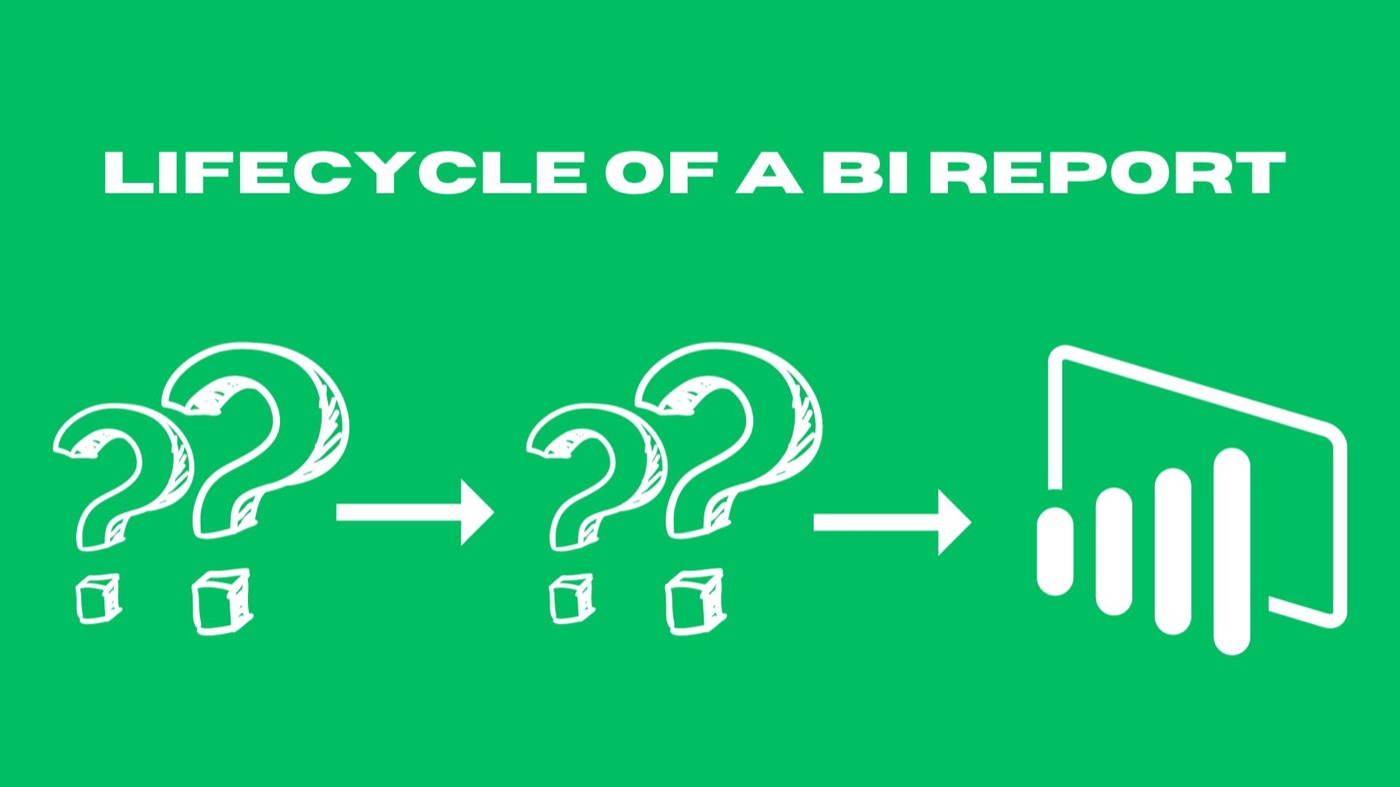
Sam, a savvy Business Analyst, embarks on a mission to craft a BI report. Through his adventure, we’ll unravel the captivating lifecycle of a BI report.
161. Watch Out for Deceitful Data
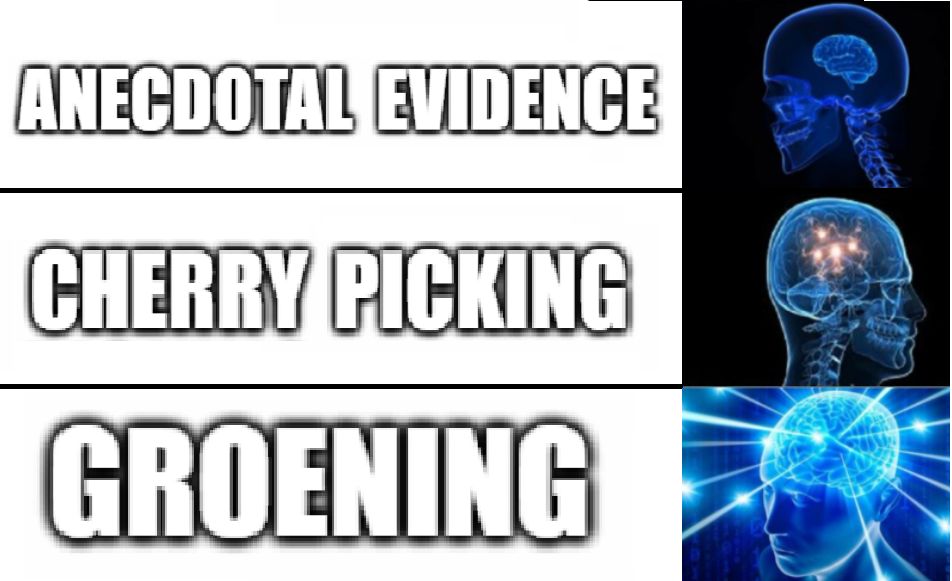
Nowadays, most assertions need to be backed with data, as such, it is not uncommon to encounter data that has been manipulated in some way to validate a story.
162. UUID Makes Everything Better… Doesn’t It?

The author examines pros and cons of using UUID vs. auto-increment IDs in databases, exploring performance, overhead, and practical use-cases.
163. Your CI System is a Terrible Compliance System of Record – Here are 5 Reasons Why

Jenkins, GitLab, Travis, Circle CI are great for DevOps but not so great for your compliance records – here’s why.
164. Why Most “Data-Driven” Companies Still Make Bad Decisions

Many companies claim to be data-driven, yet decision-making is still slow and manual. Here’s why data alone doesn’t guarantee better business decisions.
165. Freemium or Not? How Subscription Startups Should Decide
Should your startup offer a free tier? A practical framework for founders to evaluate freemium, trials, conversion math, and acquisition tradeoffs.

166. Creating a Dependable Data Pipeline for Your Small Business

In this article, I will be showing you how to build a reliable data pipeline for your small business to improve your productivity and data security.
167. Rails Migrations Are Not Scary [Beginners Guide]
I am a full-stack developer student currently doing the Microverse program, and I’ve been developing things for months until now. This article is for helping newcomers to Rails to understand Rails migrations by showing some examples and explaining them the best I can.

168. How To Manage Sensitive Data Using SQL Data Discovery and Classification

The 17.5 version of SQL Server Management Studio (SSMS) brought with it a new built-in security tool. Since then, the Data Discovery and Classification feature has become a difference-maker in the protection of sensitive information.
169. Leveraging MariaDB’s MEMORY Storage Engine: Efficient Caching and Performance Optimization

Using MariaDB instead of Redis as a fast in-memory cache key-value database
170. How to Add Knex to ExpressJS Apps and Connect to a Postgres Database
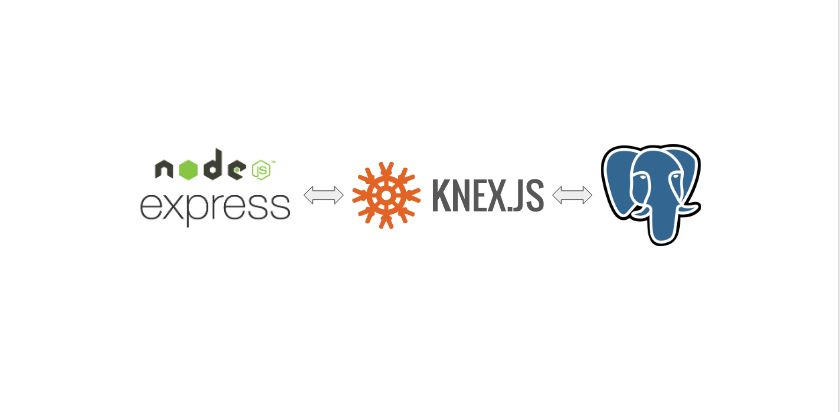
Express is one of the most popular JavaScript frameworks for building backend APIs and Postgres is a really popular relational database. How do we connect them?
171. Decentralized Databases Reduce Data Latency With Geographically Distributed Data Centers
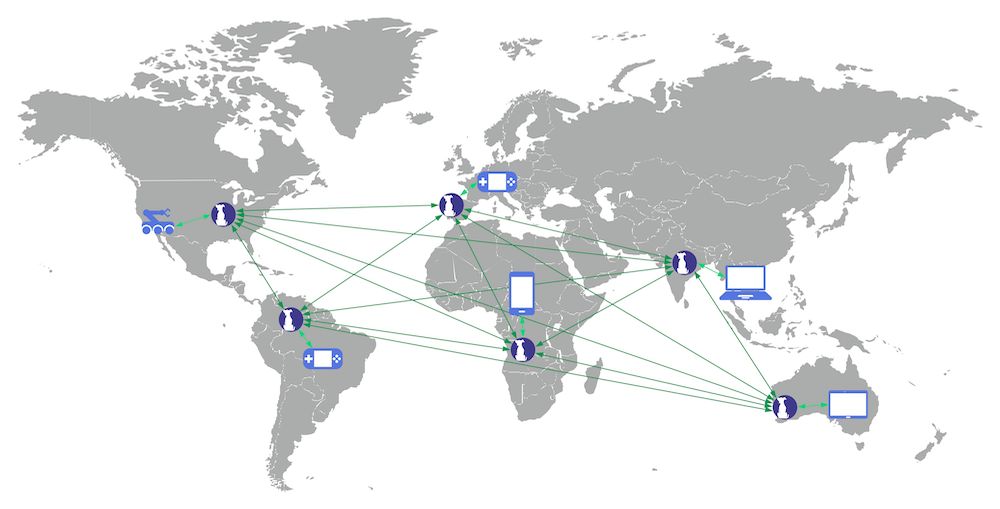
Latency is caused by offloading processing from an app to an external server. But what if there was a solution to the monolithic common single-cloud geography?
172. Hashicorp Vault max_ttl Killed My Spring App

How to ensure that expiring Spring Cloud Vault dynamic database secrets are renewed, when reaching Hashicorp Vault’s max_ttl
173. From Data Mess to Data Mesh: How to Optimize Business Intelligence

Digitization as a trend means the world is now generating more data than ever before. How said data is managed is crucial for business and individuals alike.
174. The HackerNoon Newsletter: A Guide on How to Rewire Self-Doubt (2/19/2026)

2/19/2026: Top 5 stories on the HackerNoon homepage!
175. Choosing Between SQL and NoSQL—Before the Wrong One Chooses You
Choosing the right database is one of the most important decisions you’ll make when designing a data-driven application.
176. How to Aid Disease Research with a Biomedical Knowledge Graph
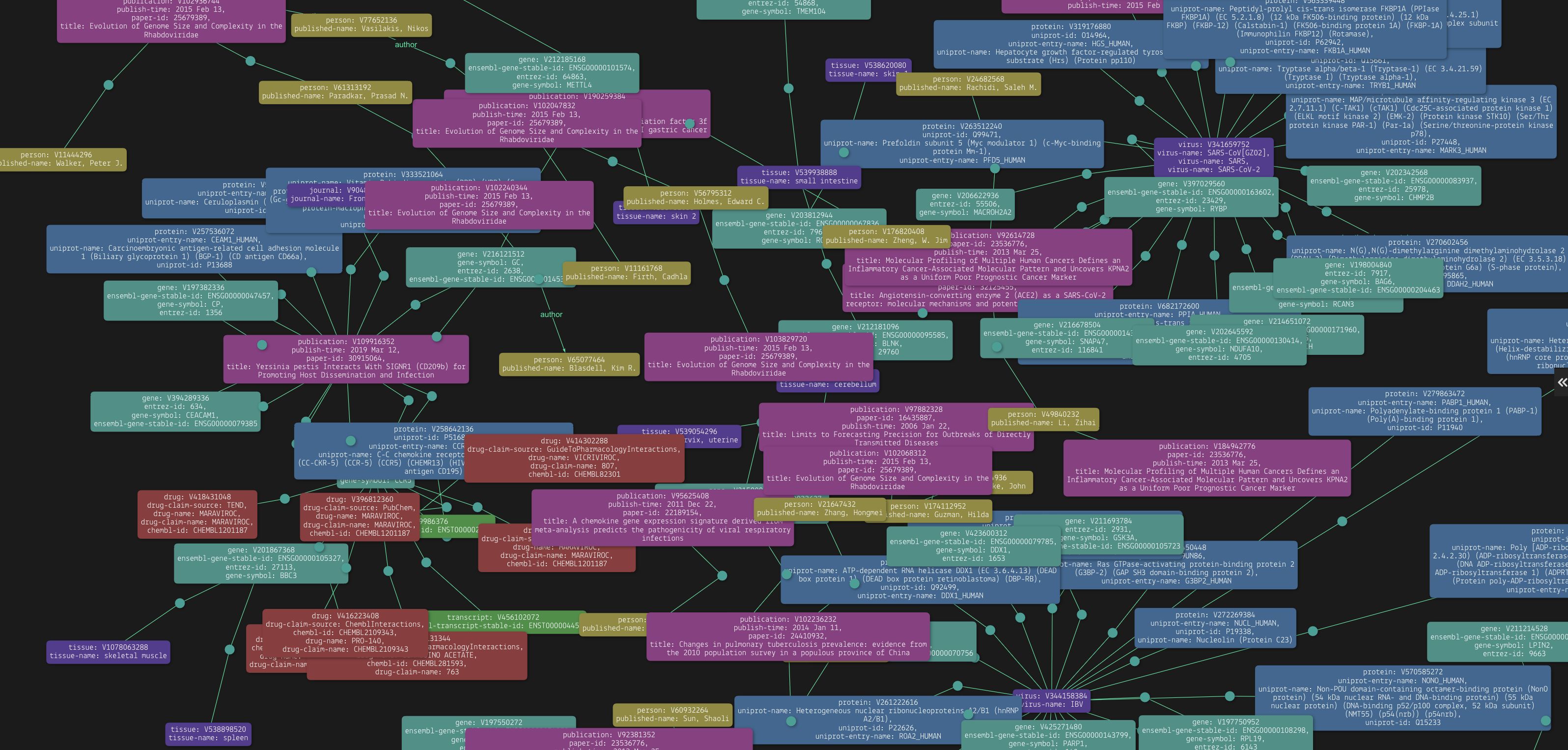
Building a biomedical knowledge graph using publicly available datasets to better aid disease research and biomedical data modelling.
177. Beginner’s Guide For Easy MongoDB Filters in C#

Learn the basics of MongoDB Filtering in C# with simple code examples! See how to use the MongoDB FilterDefinitionBuilder to support filtering in MongoDB.
178. Want Everyone Out of the Database? Here’s How the Pros Do It
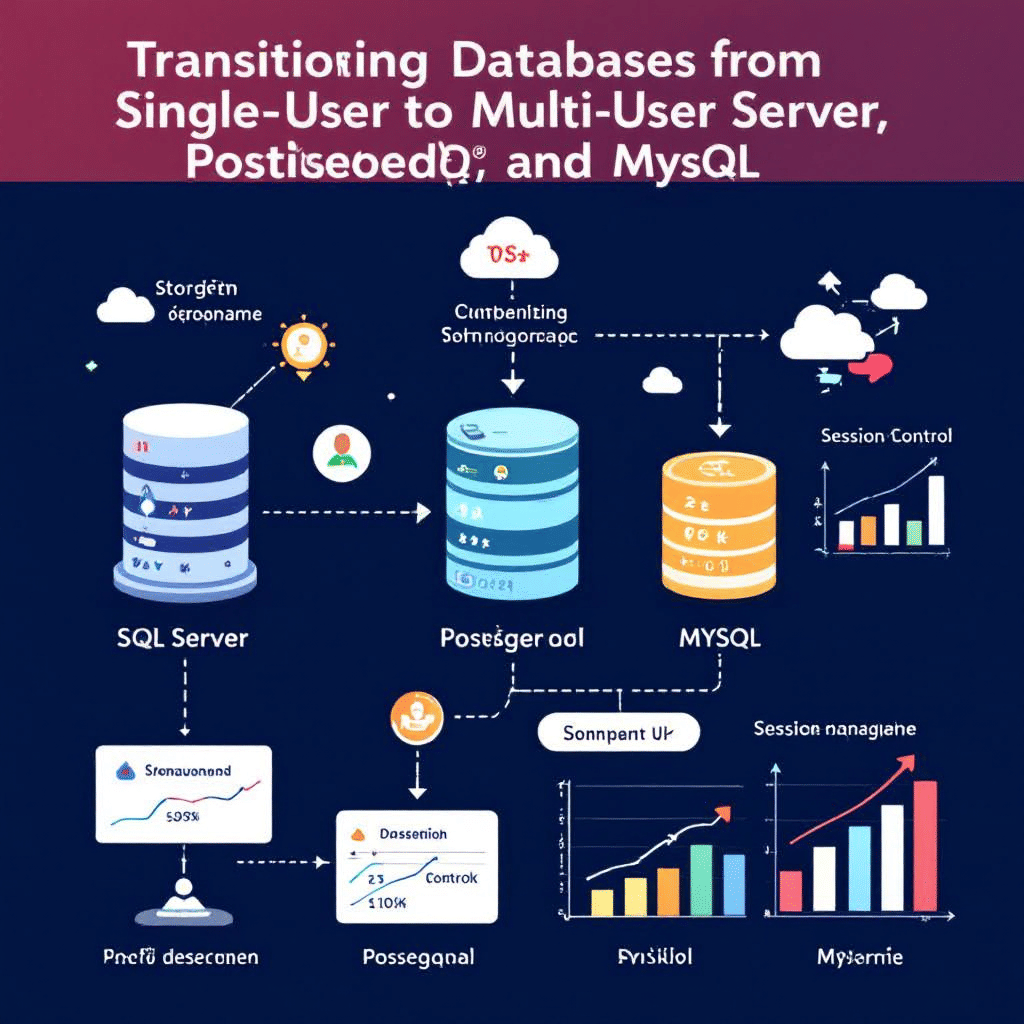
This article explores how to switch from single-user to multi-user mode in SQL Server, PostgreSQL, and MySQL. It compares native features and workarounds for ma
179. Dev Diary #3: The Sneaky Issue That Was Silently Ruining Our Database
The simple lesson here is to avoid things happening automatically on page-loads as much as possible.
180. Exploring Atomicity with DbContextTransaction in .NET and Entity Framework

Atomicity is a vital component of the quartet of fundamental transaction properties: Atomicity, Consistency, Isolation, and Durability.
181. 10 Steps To Digital Transformation While Simultaneously Cutting Costs

Companies Must Transform Or Else (Photo by eelnosiva on Adobe)
182. In a Sense, Blockchains are Crappy Databases

In crypto, the privacy problem is a transparency problem. In order to attract trillions of dollars worth of value into DeFi, privacy is a necessity.
183. Optimizing Database Performance with MariaDB ColumnStore

Get started with data analytics using the open-source MariaDB database and the ColumnStore engine all running on Docker
184. No More Slow Search: LaraPlugins Just Went Sub-Second
I spent my weekend deep in the LaraPlugins.io code base, tackling performance bottlenecks and laying the groundwork for the next phase of the platform.

185. The HackerNoon Newsletter: Surviving the Google SERP Data Crisis (2/2/2025)
2/2/2025: Top 5 stories on the HackerNoon homepage!
186. Packages for Store Routines in MariaDB 11.4: What You Need to Know

MariaDB 11.4 introduced support for packages for stored routines. Packages allow you to group related stored procedures, functions, variables, and other element
187. What Exactly Is Data Governance?
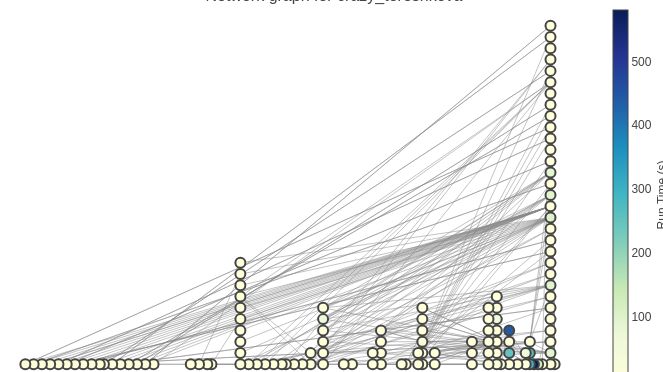
The first step is to understand what is data governance. Data Governance is an overloaded term and means different things to different people. It has been helpful to define Data Governance based on the outcomes it is supposed to deliver. In my case, Data Governance is any task required for:
188. Py-DockerDB: Simplifying Programmatic Database Handling
Local database setup is deceptively expensive. It introduces variance into your dev environments and bakes hidden assumptions into your codebase. I wanted every
189. Year of the Graph Newsletter, April 2020: Graphs Power Scientific Research; Business Cases

Is there life after COVID-19? Of course there is, even though it may be quite different, and it may be hard to get there. But there’s one thing in common in the “before” and “after” pictures: science and technology as the cornerstones of modern society, for better or worse.
190. 6 Common DynamoDB Issues in 2022
It’s expected that developers face many of the same issues when starting their NoSQL journey with DynamoDB. This article might clear things up a bit.
191. Building Order From a Startup Mess

Six months into my first startup role, I rebuilt VALK’s product from an engineer-built MVP. Here’s what went wrong and what actually worked….
192. How Build a Fully Typed Web App Using Next.js, PlanetScale, Drizzle, and Kysely

Harness the power of PlanetScale, Drizzle ORM, and Kysely Query Builder to develop a scalable fully-typed web app.
193. Heroku Guide: How to Go Live with your Rails App

YAML: literally meaning “Yaml ain’t markup language” can mess you up in the beginning. Rails generates this file for you and you have to change it for Heroku. YAML spacing has to be exact and it’s important to know a tab is not the same as four spaces.
194. Why Distributed Systems Rarely Live at Pure CP or AP

Learn why CAP Theorem is not a binary choice, how PACELC fills the gap, and how real systems balance consistency, availability, and latency.
195. Blockchains: Beyond Vanilla Databases
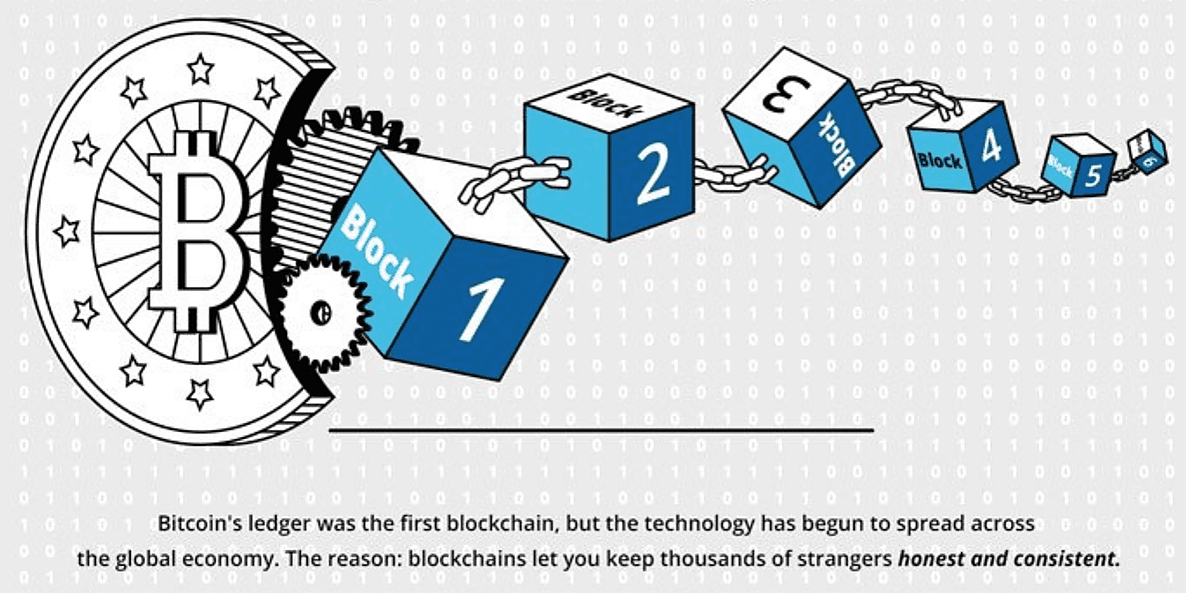
Was really confused whether to have the title as “Blockchain: Beyond a database” or “Blockchain: A combination of technology and social engineering” but decided on the former with the expectation that it might come easily in search engines.
196. How Database Backends Have Become Overcomplicated

Let’s talk about something that has been grinding my gears for quite some time – the mind-boggling overcomplication of database backends.
197. No Silver Bullets: The 5 Brass Bullets of Subscription Growth
One of the lessons that I wrote about from my time as head of growth at Codecademy is that there are no “silver bullets” for growing a subscription business….

198. Replication 101: How Distributed Databases Stay Alive

Understand the three main replication models and how they shape failure handling, write paths, and consistency guarantees.
Thank you for checking out the 198 most read blog posts about Databases on HackerNoon.
Visit the /Learn Repo to find the most read blog posts about any technology.