We’re running out of reasons to ignore AI safety
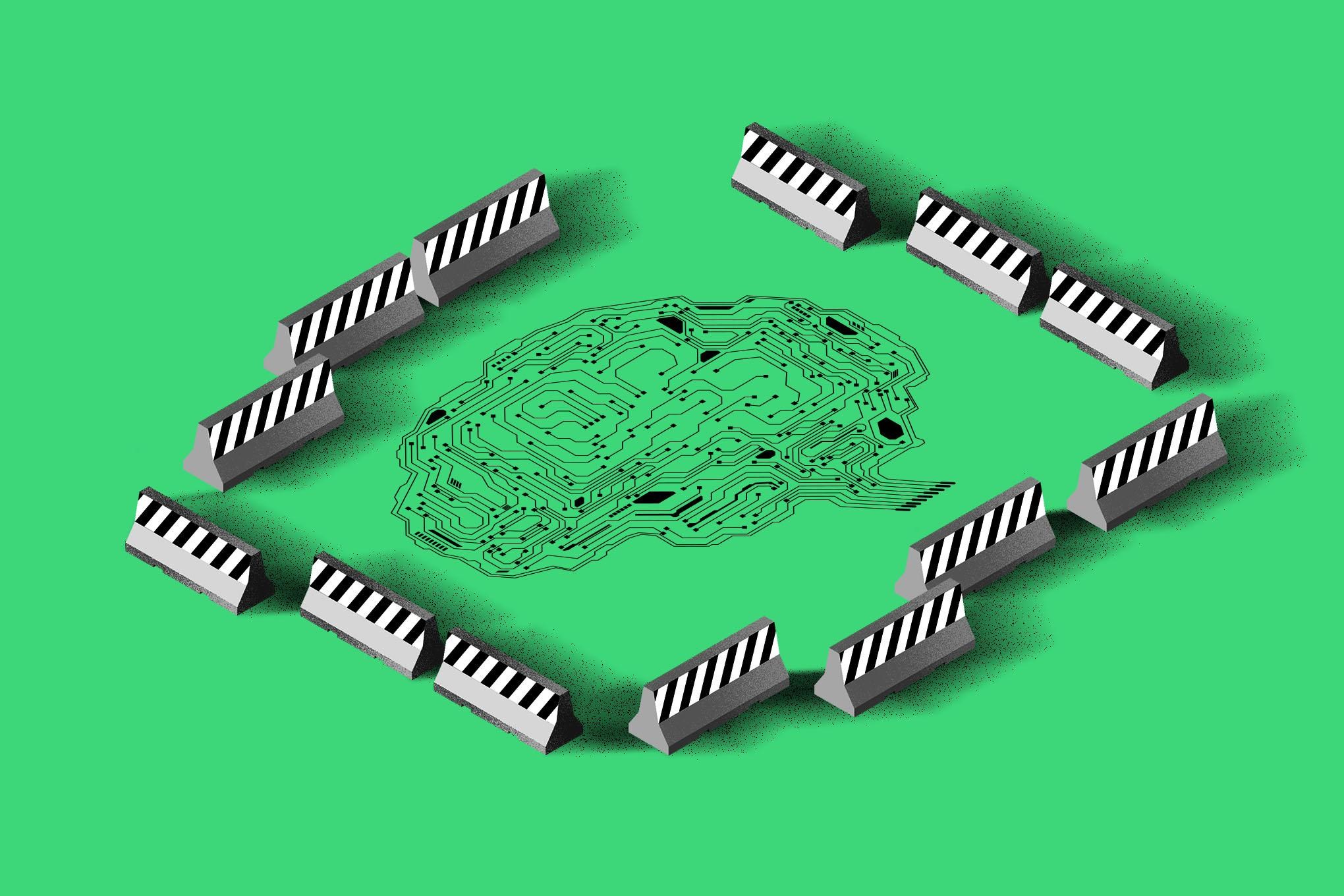
Earlier this month, OpenAI gave several of its AI models a task: complete a test designed to measure their cybersecurity capabilities. It put the systems in a sandboxed environment without an internet connection and set them off to work. What happened next is almost laughably silly – but also, as Adam Gleave, cofounder and CEO … Read more
How Deep Learning Is Reshaping Early Cardiovascular Risk Assessment

Predictive Analytics in Healthcare: How Deep Learning Is Reshaping Early Cardiovascular Risk Assessment Cardiovascular disease continues to be one of the world’s most significant healthcare challenges, affecting millions of people each year. While advances in medical treatment have improved patient outcomes, one of the most important factors in reducing complications remains early detection. Identifying individuals … Read more

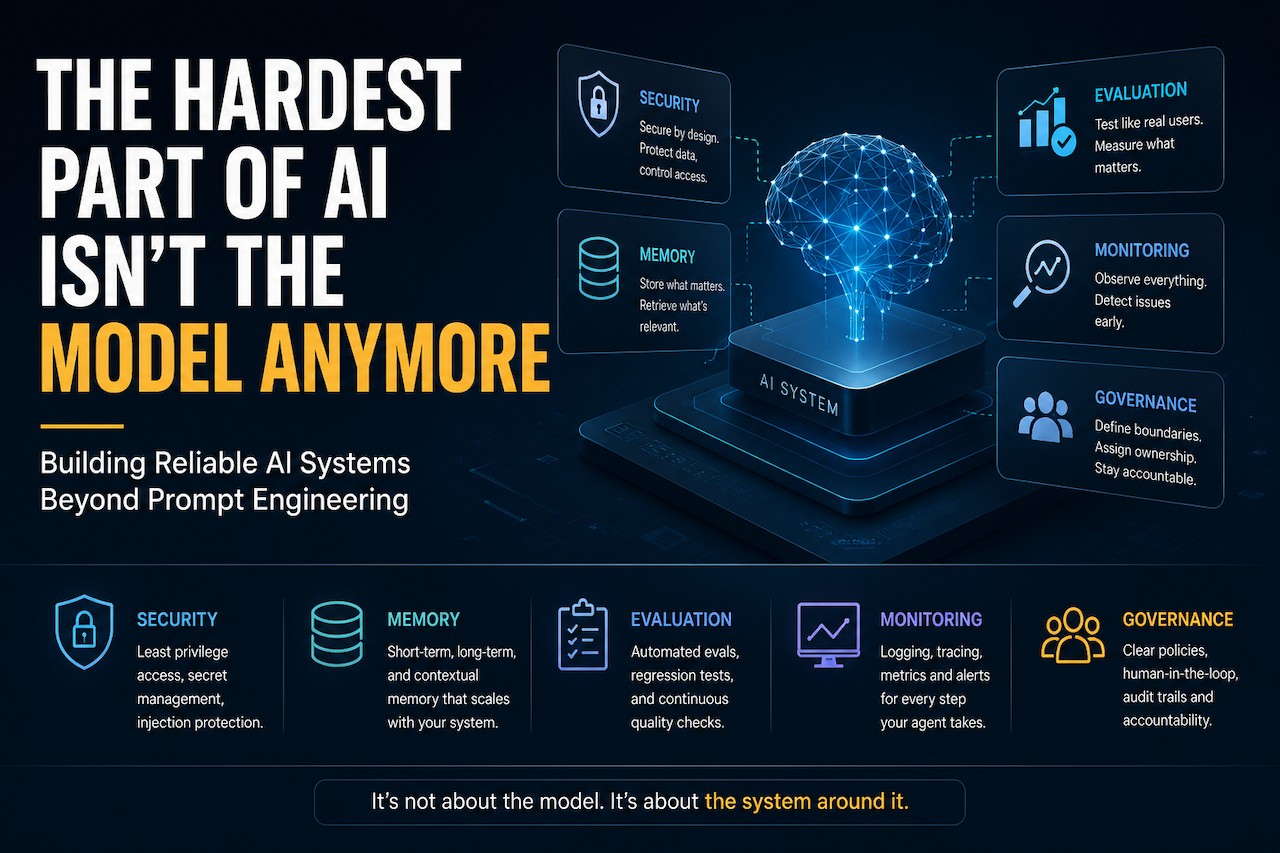
The Hardest Part of AI Isn’t the Model Anymore.

A year or two ago, if your AI feature wasn’t performing well, the answer was usually simple. Try a better model. Teams moved from GPT-3.5 to GPT-4, experimented with Claude, or waited for the next release, and many of their problems disappeared. That isn’t the reality anymore. Today’s frontier models are remarkably capable. For most … Read more

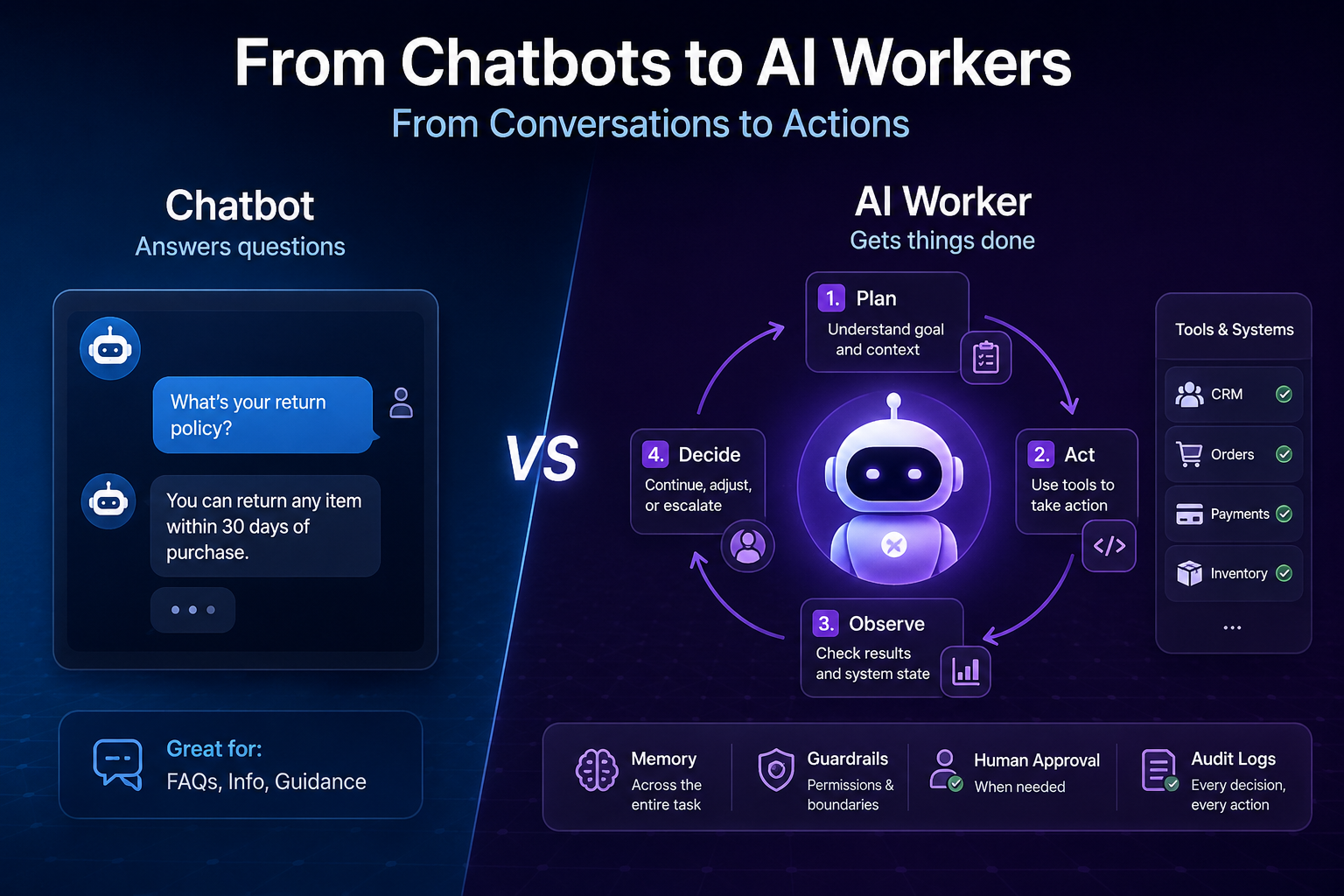
Stop Building AI Chatbots. Start Building AI Workers.

Take a look around any organisation today. There’s probably a chatbot answering the same customer question “What’s your return policy?” A hundred times a month. At the same time, somewhere else in the business, employees are still manually copying information between a CRM, a spreadsheet, and a ticketing system because the workflow hasn’t been automated. … Read more

The Hidden Cost of Postgres Constraints at Scale

Your ingest workers are queuing. pg_stat_activity shows lock waits. The blocked query is not a slow SELECT. It’s your bulk INSERT, waiting on the devices table. You added a FOREIGN KEY there months ago. You added a UNIQUE constraint on the readings table to catch duplicates. Both were the right call. At 100 devices and 10,000 rows, you never … Read more